
Your shopping cart is currently empty.
Neurological Disorders
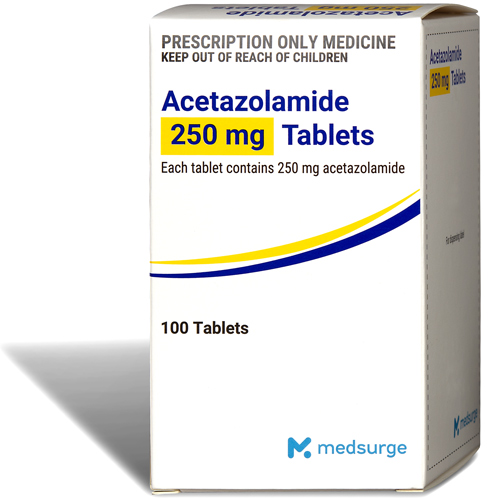
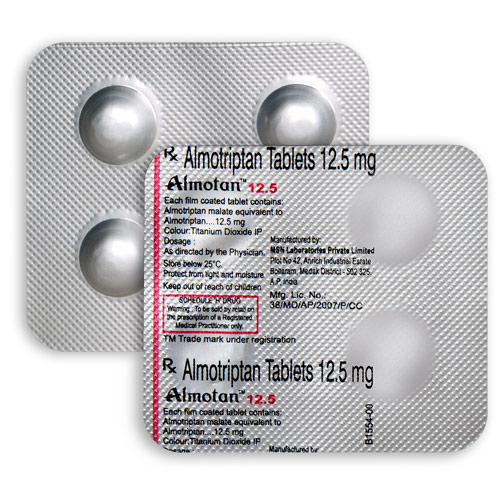
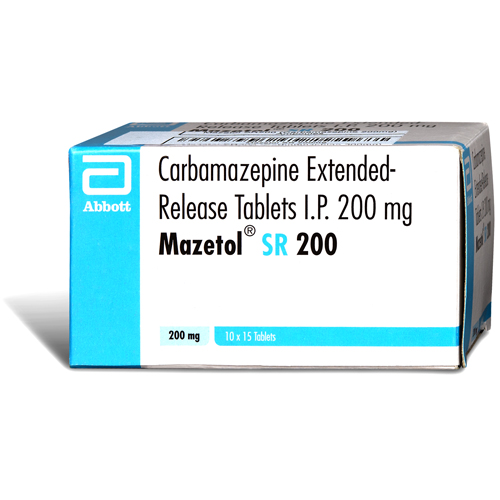
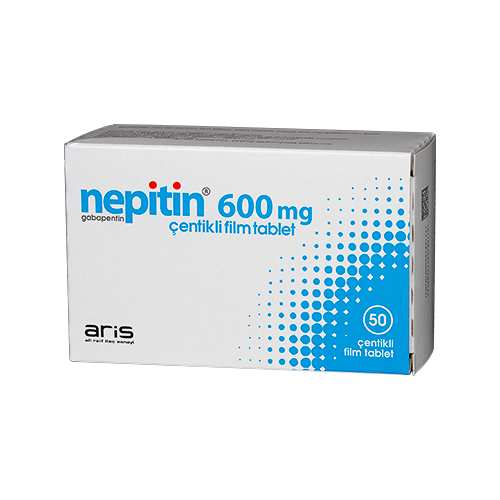
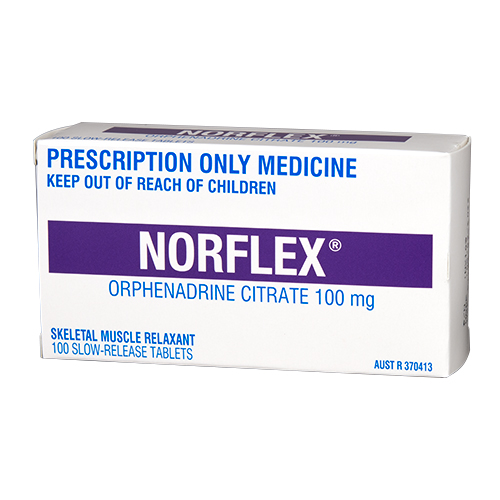
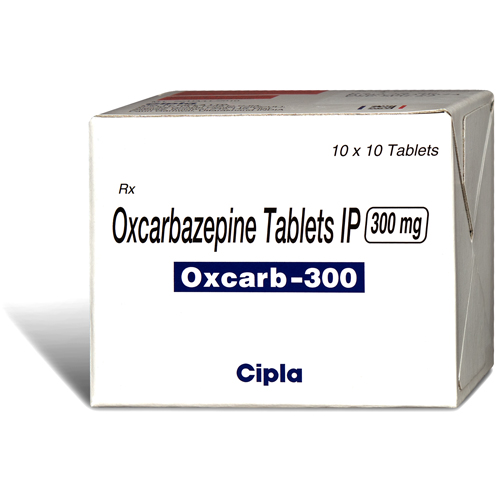
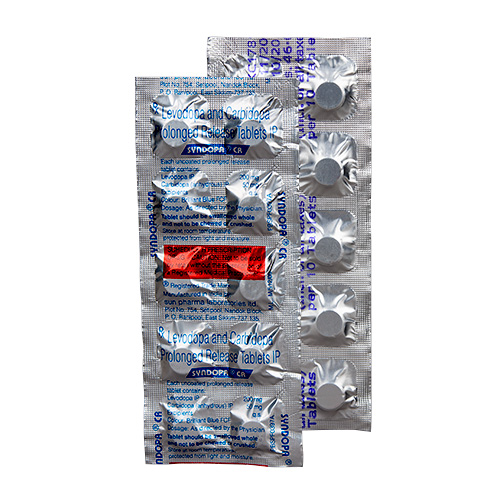

GenericSyndopa CR 125 (Levodopa and Carbidopa 100/25) 10 Tablets/ Strip
OUT OF STOCK
Out of stock
$30.00
About the nervous system
The brain is the control centre for the nervous system; it receives information from the outside world and controls all our responses to incoming information. It is divided into different areas responsible for different aspects of our body function and actions, including behaviour, movement, feelings, memory and learning. The spinal cord travels down the spinal column, protected by the vertebrae carrying messages to and from the brain. It has many branches forming the major nerves, which themselves branch many times to service all parts of the body. The brain and spinal cord form the central nervous system (CNS) and the nerves form the peripheral nervous system.The nervous system is made up of nerve cells or neurones, which communicate with each other by transmitting electrical impulses from one neurone to another. Neurones are separated by gaps or synapses and the electrical signal is transmitted across the synapse by the release of a neurotransmitter or brain chemical from the pre-synaptic neurone; neurotransmitter, which then binds to specific receptors in the post-synaptic neurone. This is how information is collected by sensory organs and transmitted via sensory neurones to the brain for processing. The response is transmitted by motor neurones to the muscles and glands for appropriate action.
Neurotransmitters
There are several different types of neurotransmitter that control the various neural pathways. Neurotransmitters work through specific receptors and are commonly referred to as excitatory or inhibitory, depending on whether or not binding to its receptor activates an electrical signal in the next neurone. Some have the ability to be either excitatory or inhibitory and their role depends on what type of response they induce in the nervous system.- Gamma aminobutyric acid (GABA) is generally considered the major inhibitory neurotransmitter in the brain. Lack of GABA is thought to be associated with epilepsy.
- Glutamate is generally considered the major excitatory neurotransmitter in the brain.
- Acetylcholine has several excitatory functions including activating skeletal muscle contraction. It also works through various different receptors in the brain, where it is involved in memory and learning. Loss of these cells is associated with Alzheimer’s.
- Dopamine plays an important role in mood and is the “feel good” neurotransmitter as it s involved in the reward circuits of the brain. It also plays an important role in controlling muscle function and movement. Loss of dopamine receptive brain cells is associated with Parkinson’s disease.
- Serotonin plays an important role in regulation of many pathways in the brain, including the control of mood, sleep, body temperature, pain and appetite.
- Noradrenaline in the brain plays an important role in regulation of attention and arousal. In the central nervous system it is involved in the “fight or flight” response, which affects heart rate, blood pressure and gastrointestinal activity.
What is a neurological disorder?
A neurological disorder is caused by a malfunction of the nervous system, which includes the brain, spinal cord, and nerves. Since the nervous system controls all aspects of bodily function and actions, any damage will have some serious symptoms. These may be impaired motor function including, paralysis, uncoordinated movements and seizures; impaired sensory function, including pain and loss of sensation; impaired cognitive function, including confusion, memory loss, emotional and behavioural disturbances.Types of neurological disorder
The symptoms of a neurological disorder can be due to a genetic defect resulting in an inherited disorder, damage or trauma to the nervous system or due to the aging process. Types of neurological disorder include:- Degenerative neurological conditions resulting in destruction of specific areas of the brain so that symptoms manifest and worsen progressively over time, for example, Parkinson’s disease and Alzheimer’s.
- A malfunction in brain activity resulting in uncontrolled muscular spasm known as seizures; if these occur regularly, the condition is called epilepsy.
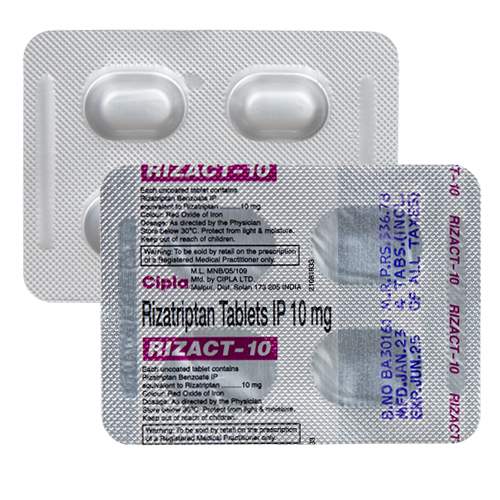
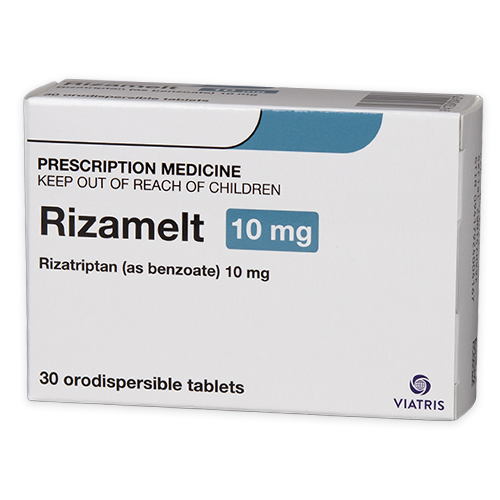
- Abnormal release of neurochemicals that cause inflammation, extreme widening of blood vessels in the brain, which press on nearby nerves and induces pain and other symptoms of a migraine headache; it is thought to be related to abnormal genes that control certain areas of the brain.
Motion sickness
A discrepancy between sensory input from the eyes and the organs in the ears that perceive movement causes confusion in the brain, which leads to motion sickness. This is a neurological condition that is based on perception rather than a physical disorder.Treatments for neurological disorders
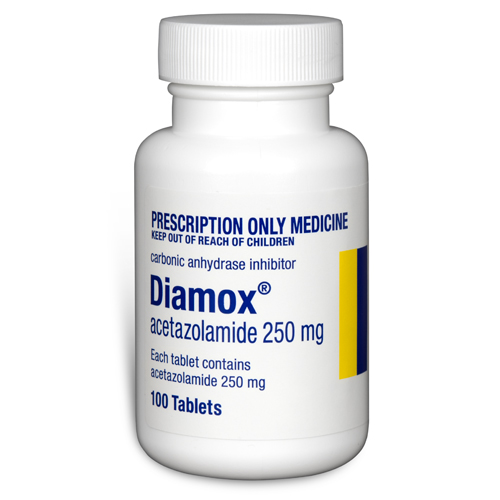
Often there is no effective preventative treatment or cure for neurological disorders and most available treatments are aimed at relieving or reducing symptoms. Treatments include:- Neurotransmitter receptors blockers, such as acetylcholine receptors used in the treatment of motion sickness.
- Preventing breakdown of important neurotransmitters like acetylcholine in the treatment Alzheimer's Disease.
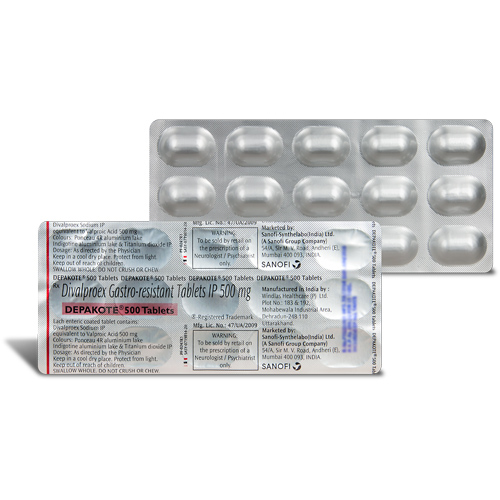
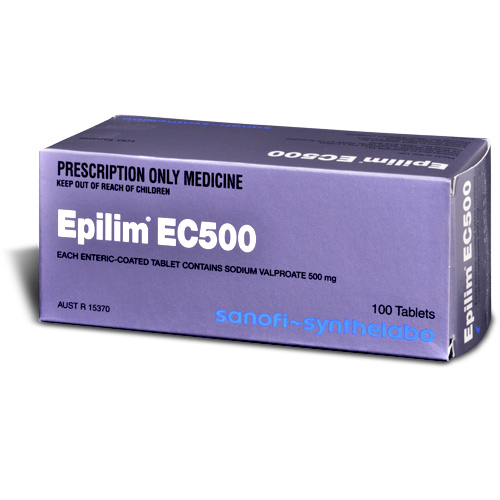
- Anticonvulsants that by work by various mechanisms including stabilizing nerve cell membranes and changing levels of neurotransmitters; these are used to treat epilepsy.
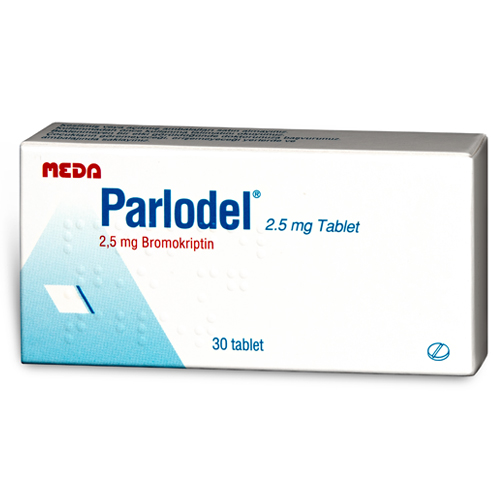
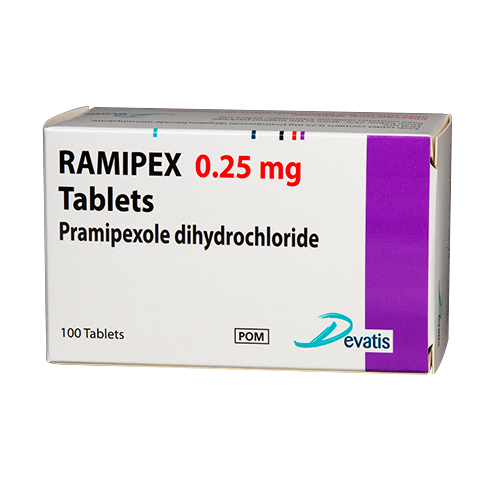
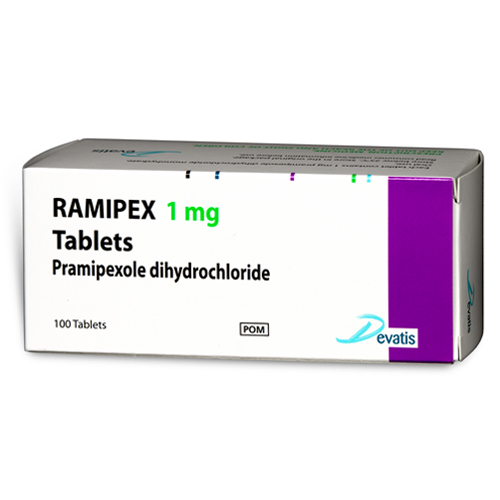
- Increasing the amount of dopamine by various mechanisms used for treatment of Parkinson’s disease.
- Muscle relaxants that work by blocking acetylcholine used for treatment of Parkinson’s disease.