

Your shopping cart is currently empty.
Diabetes
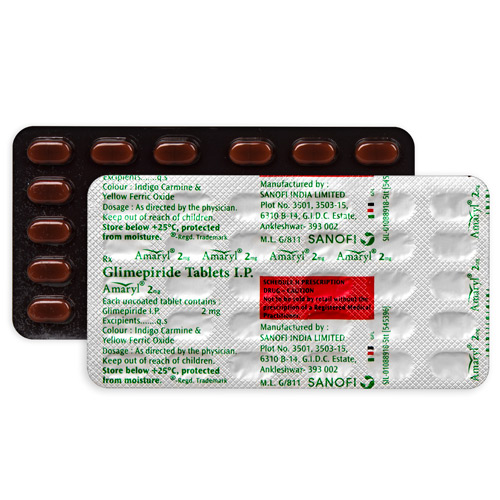
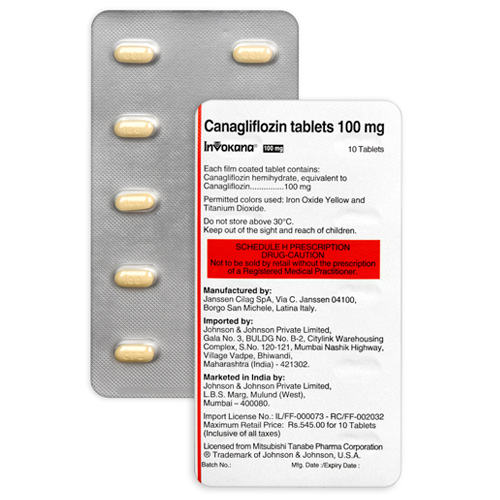
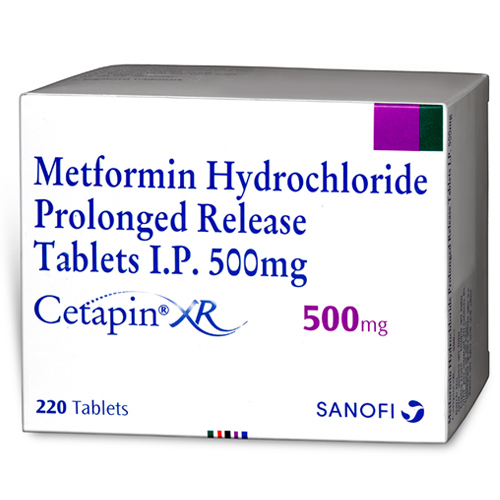
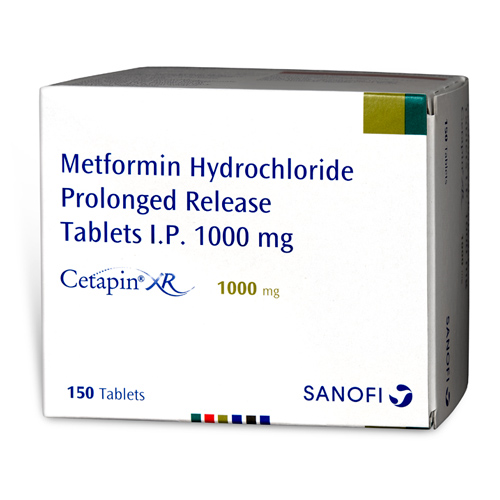
What is diabetes?
Diabetes is a disease characterised by high blood sugar levels (hyperglycaemia) that are difficult to control. Type 2 diabetes mellitus T2DM usually begins later in life and is associated with risk factors, including obesity, poor diet and lack of exercise.Sugar or glucose comes from the diet and is also manufactured in the liver. The body needs glucose for energy but high levels of glucose can cause serious harm. Blood sugar levels are normally regulated by the hormone insulin that is produced by specific cells in the pancreas called beta cells. Insulin is released in response to increase in blood glucose, such as following a meal, to keep blood glucose within normal levels. The main role for insulin is to promote glucose uptake by the muscle cells where it is used and fat (adipose) cells where it is stored. Insulin also inhibits glucose production by liver cells when blood glucose levels increase.
Poor glycaemic control is the term used to describe what happens in diabetes and there are several reasons for this, including:
- Chronic damage to the insulin-producing beta cells of the pancreas, which results in impaired insulin production and therefore insufficient insulin to control blood sugar levels.
- Insulin resistance by cells that normally respond to insulin but become resistant and no longer respond. Liver cells no longer responds to insulin, which should switch off glucose production and muscle and fat cells no longer take up glucose, which then stays in the blood.
How serious is diabetes?
Diabetes often develops well before it is diagnosed and without obvious symptoms when it is already causing damage. The most serious complications of T2DM include cardiovascular disease leading to heart attack and stroke. Also microvascular damage, which is damage to small blood vessels or capillaries in the eye, kidney or nerves. This causes diabetic retinopathy or damage to the retina, which can lead to blindness; diabetic nephropathy or kidney damage; and diabetic neuropathy or nerve damage which can lead to foot ulcers and extreme cases of microvascular damage can result in amputation.Controlling blood sugar levels
There is no cure for diabetes as damage to the insulin producing cells cannot be reversed, therefore, gaining control over blood sugar levels is the goal of any treatment. Making lifestyle changes is the first step towards controlling blood sugar, including a sensible healthy diet and increased exercise. However, glycaemic control usually needs intervention with oral antihyperglycaemic (OA) medications, which are tablets that lower blood sugar levels. These medications reduce high blood sugar levels after a meal, keep blood sugar levels down between meals and reduce the amount of sugar made in the liver.Types of diabetes medication
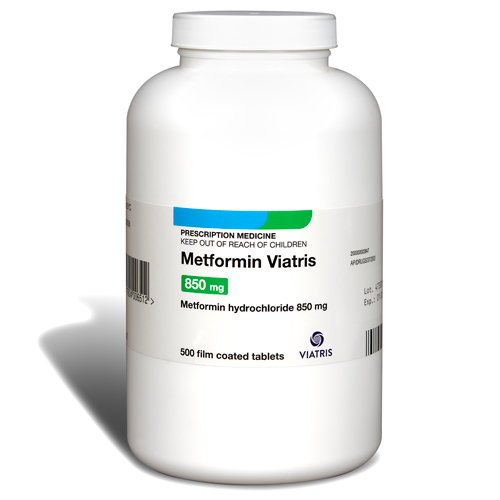
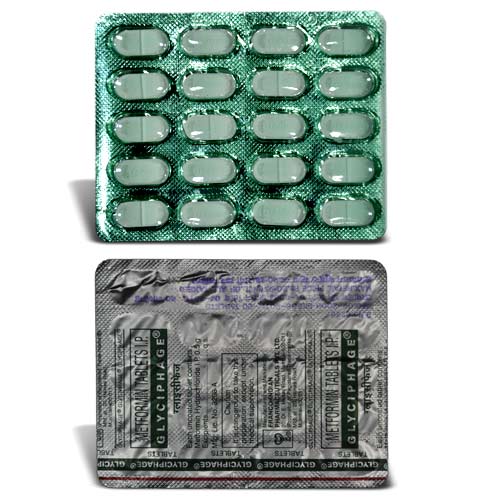
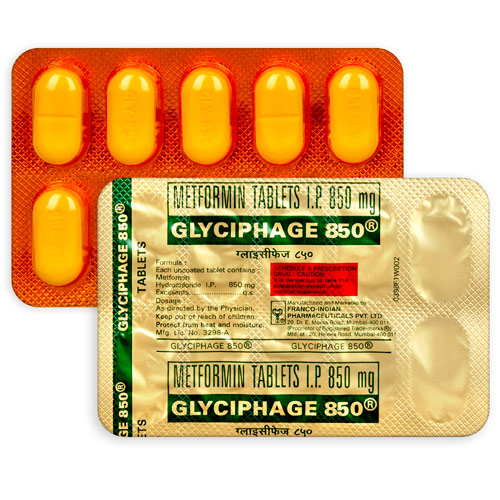
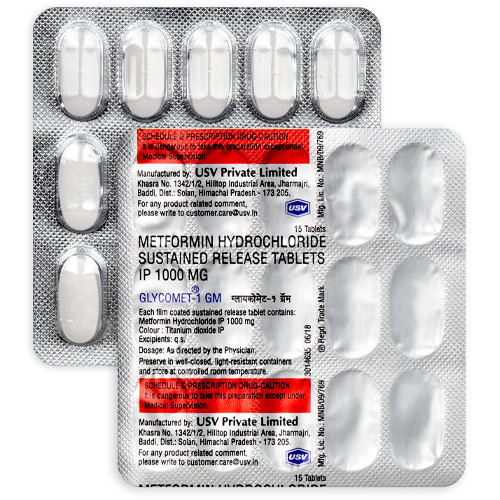
Several different classes of OA diabetes medication are available and each class works by a different mechanism. Most of these medications can be used alone as monotherapy, in conjunction with diet and exercise, or in combination with each other. They include:- Biguanides like metformin work by increasing sensitivity to insulin in the target tissues which are liver, fat and muscle; suppressing glucose produced by the liver; increasing glucose uptake by muscle cells and reducing absorption of glucose form the diet by the small intestine.
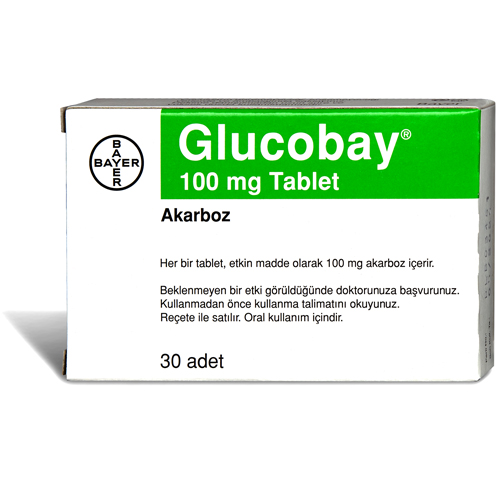
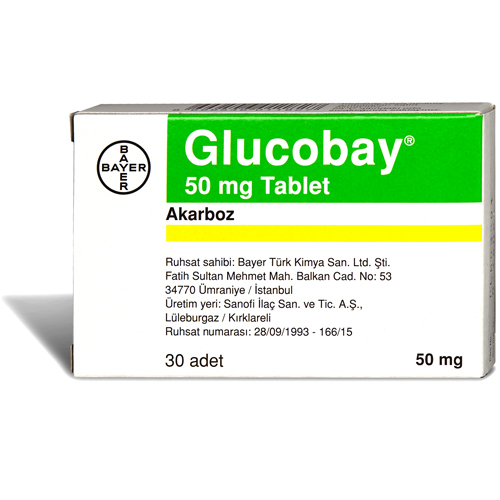
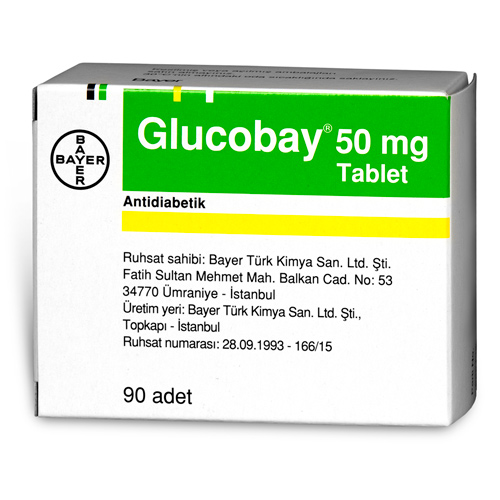
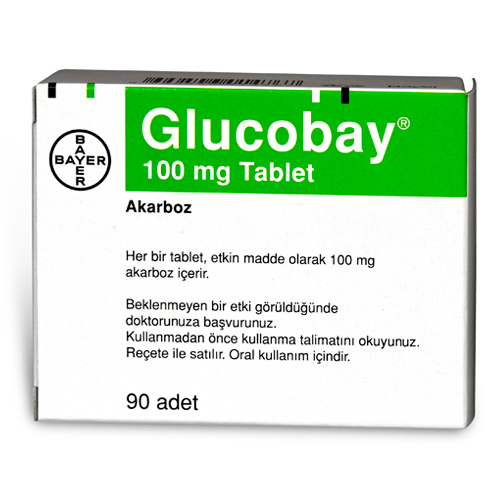
- Alpha-glucosidase inhibitors like acarbose inhibit the action of the enzyme alpha-glucosidase that converts carbohydrates in the diet to simple sugars like glucose and this reduces the amount of glucose that enters the blood after a meal (posprandial).
- Thiazolidinediones like rosiglitazone and pioglitazone reduce insulin resistance by interacting with specific receptors on the insulin-reactive cells of the liver, muscle and fat tissue, which increases their responsiveness to insulin.
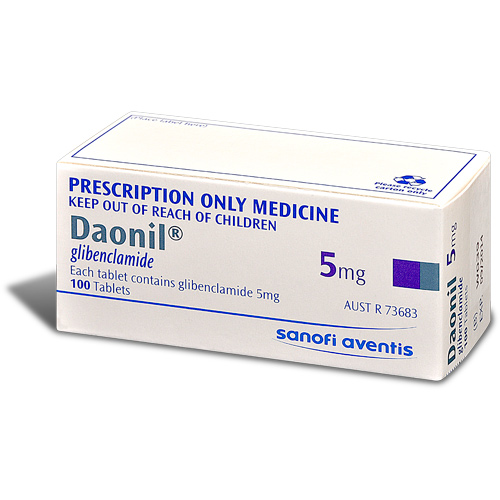
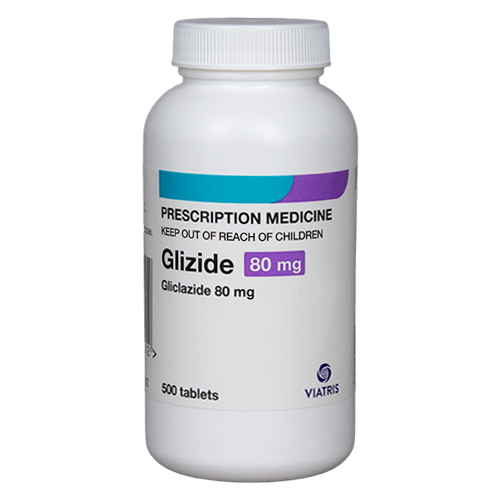
- Sulphonylureas like glipizide increase insulin production by directly stimulating the beta cells, which are the insulin-producing cells of pancreas, to produce more insulin.
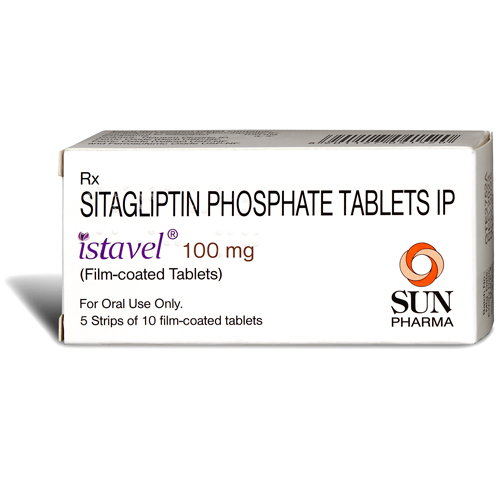
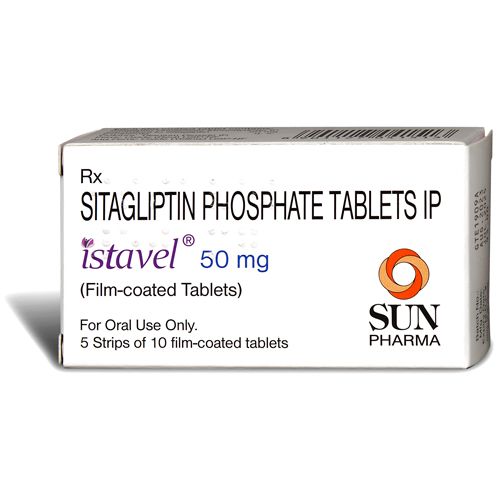
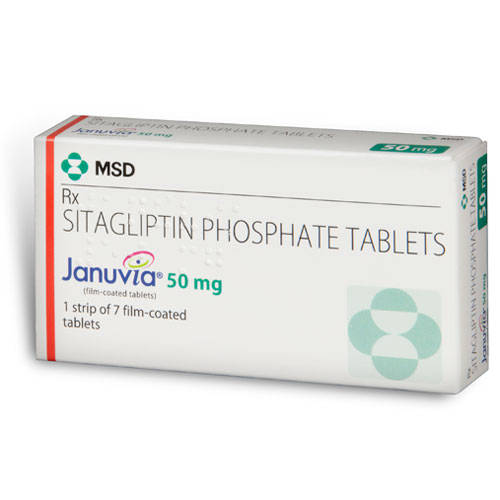
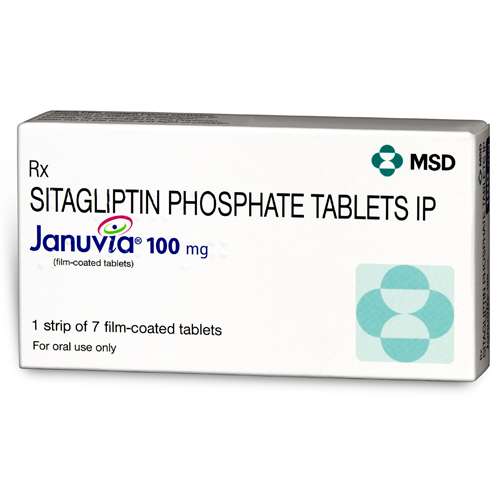
- DPP-4 inhibitors like sitagliptin work by inhibiting the enzyme dipeptidyl peptidase 4 (DPP-4) and thereby preventing the breakdown of two small proteins called incretins that are released from the intestine after a meal. The incretins stimulate glucose-dependent insulin production from pancreatic beta cells to lower blood glucose levels; as well as suppressing glucagon release from the pancreatic alpha cells to reduce glucose production in the liver. Incretins are normally rapidly degraded by DPP-4 and it is this degradation that DPP-4 inhibitors prevent, to allow incretins to help maintain normal blood glucose levels for longer.