

Your shopping cart is currently empty.
Digestive

What are digestive problems?
Digestive problems are caused by various conditions in different parts of the digestive or gastrointestinal (GI) tract. The upper GI tract comprises the oesophagus, stomach and upper part of the small intestine or duodenum. The lower GI tract comprises the remainder of the small intestines or ileum and the large intestine, or colon, (commonly known as the bowel), rectum and anus.Symptoms of a digestive problem include heartburn, indigestion, nausea, vomiting, diarrhoea, abdominal pain and cramps, constipation and flatulence (wind). These symptoms can be due to a wide variety of causes, including too much stomach acid, stimulation of the vomiting reflex, muscle spasm in the intestines, dysfunction of intestinal motility and bowel inflammation or irritation.
Digestive cleansing
A complete body cleanse system is available to help with the body’s natural detoxification process.Medication for upper gastrointestinal problems
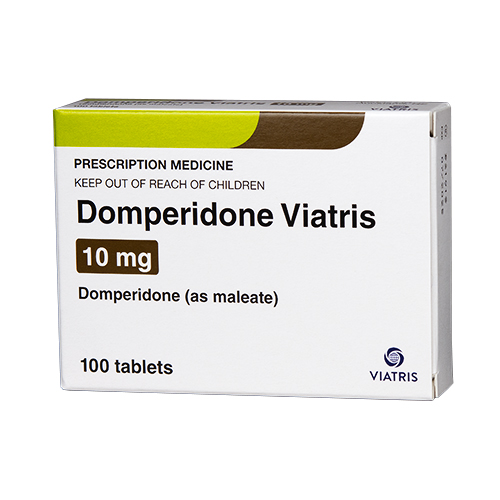
Medications that are used for digestive problems of the upper GI tract include:- Antiemetics for the treatment of nausea, which include 5HT3 receptor-antagonist and dopamine antagonist.
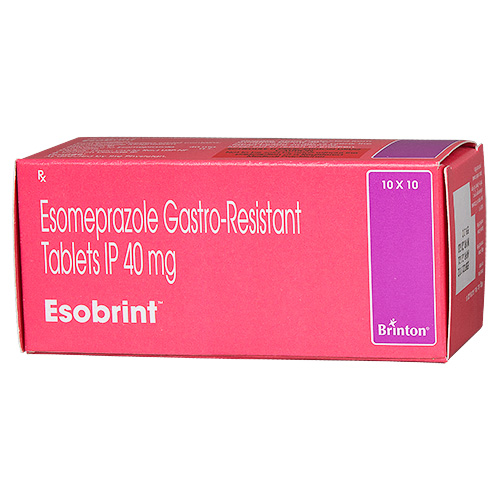
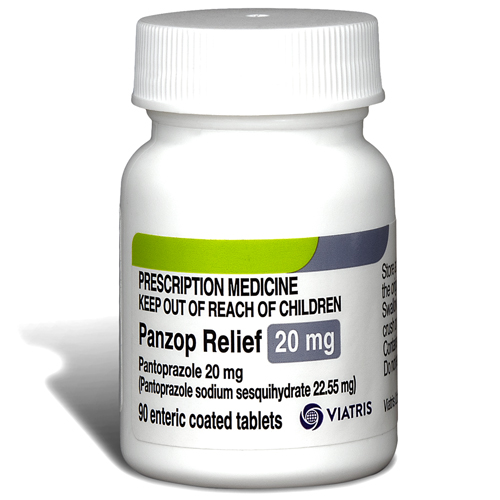
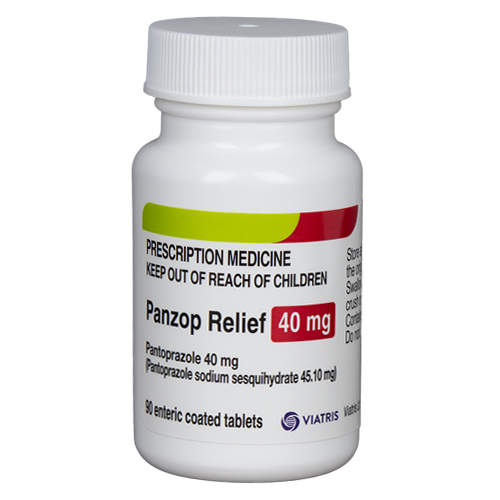
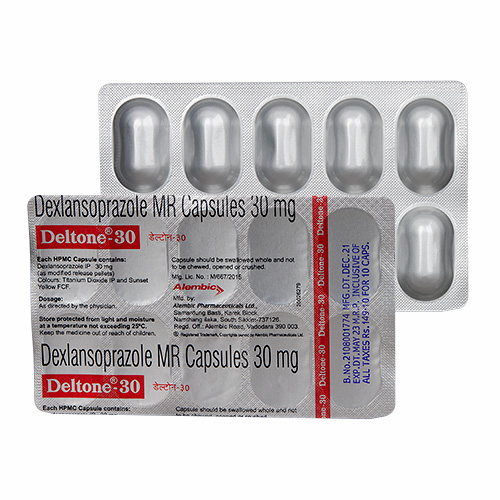
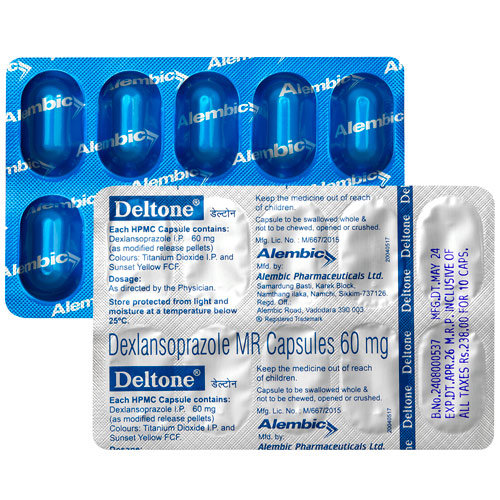
- Inhibitors of gastric acid production for the treatment of peptic ulcers and gastric reflux, including proton pump inhibitors, histamine receptor antagonists and serotonin agonists.
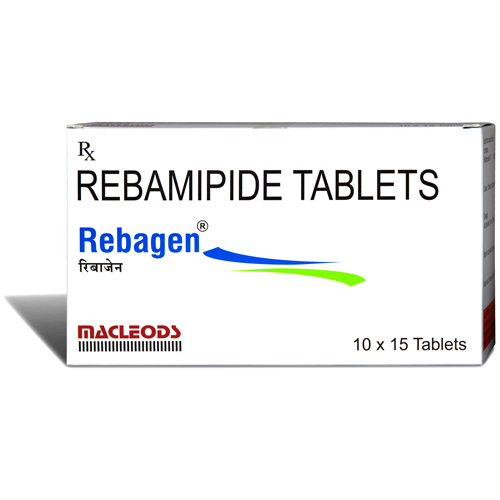
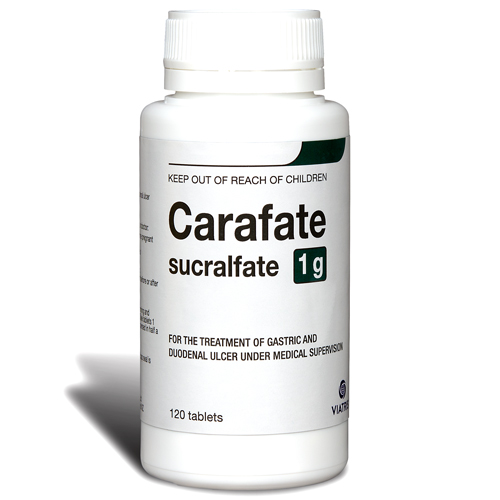
- Cytoprotectants that protect cells that line the stomach from the effects of too much acid.
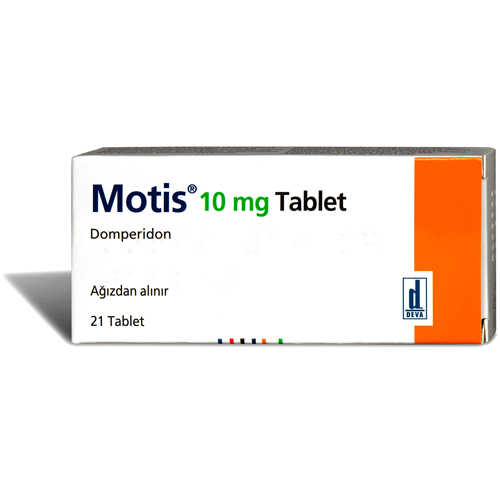
- Gastrokinetic drugs that work as serotonin agonists to promote GI motility and are used to treat reflux and gastroparesis, which is delayed emptying of the stomach and causes symptoms like nausea, vomiting and heartburn.
Medication for lower gastrointestinal problems
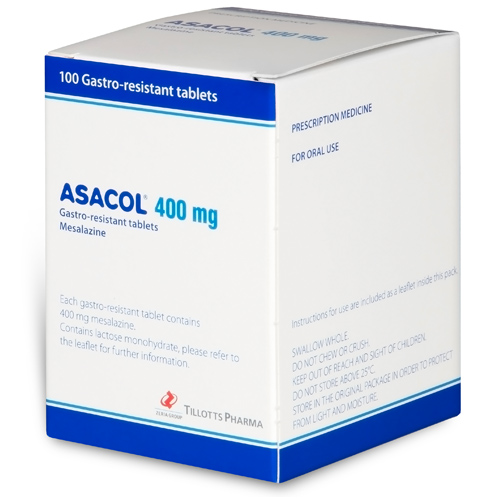
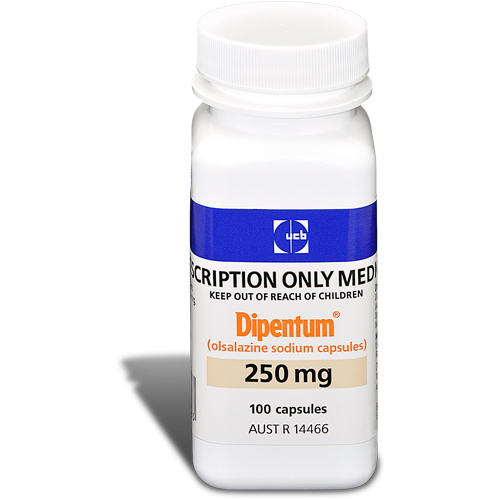
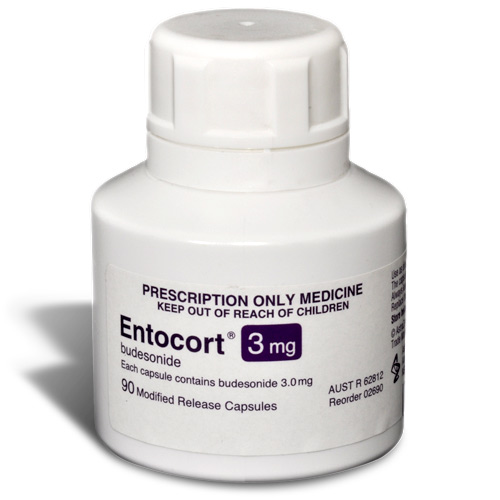
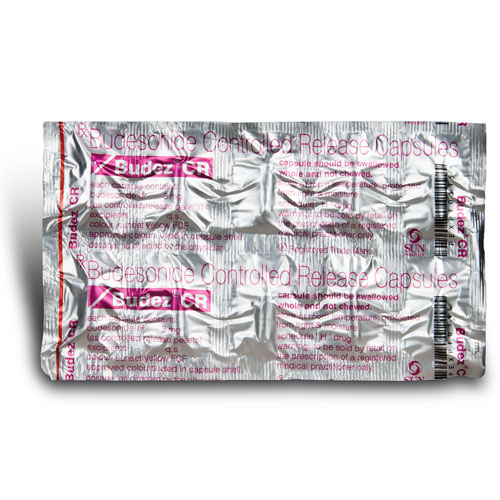
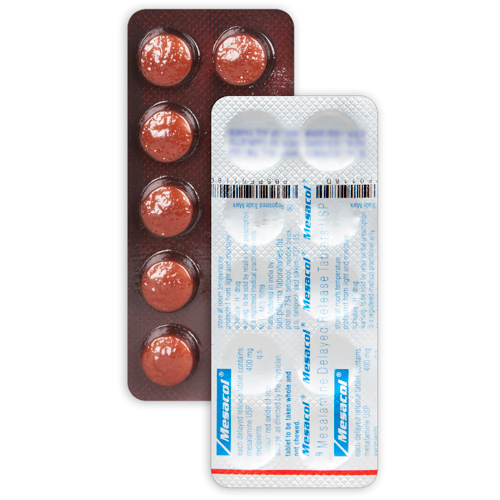
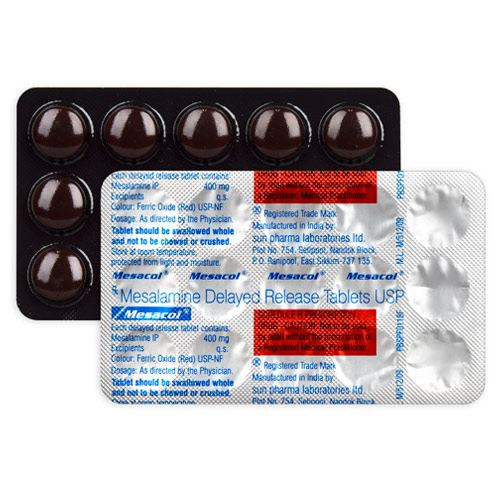
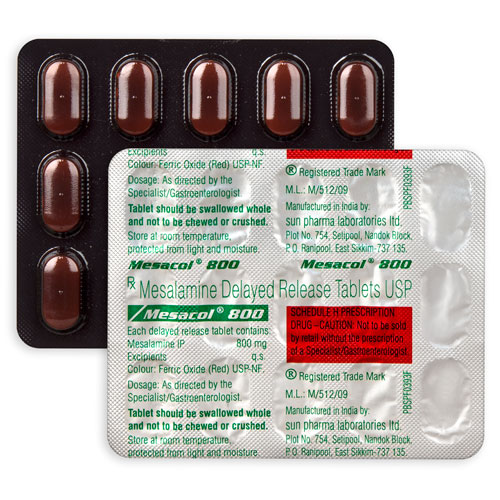
Medications that are used for digestive problems of the lower GI tract include:- Anti-inflammatory drugs that are used for Inflammatory bowel diseases like Crohn's disease and ulcerative colitis; these include both non-steroidal anti-inflammatory drugs (NSAID) and corticosteroids; also immunomodulatory drugs that affect the immune system.
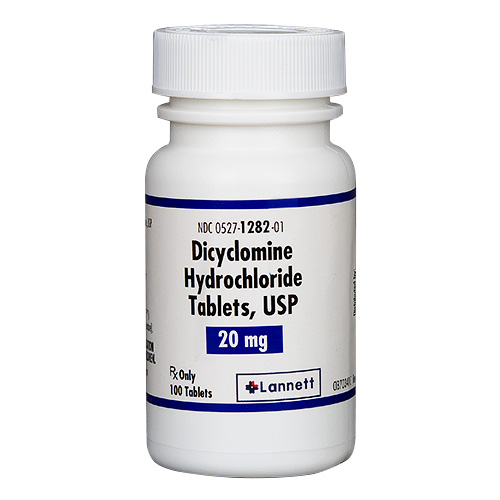
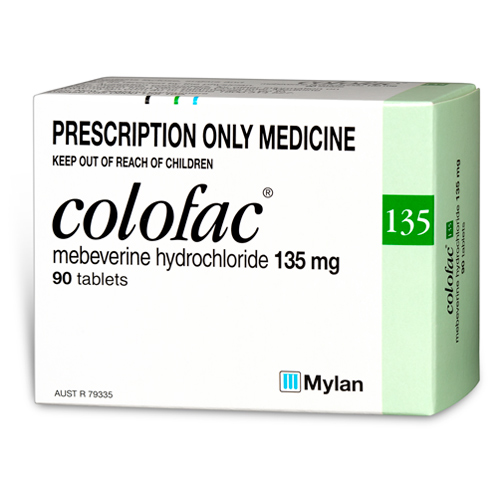
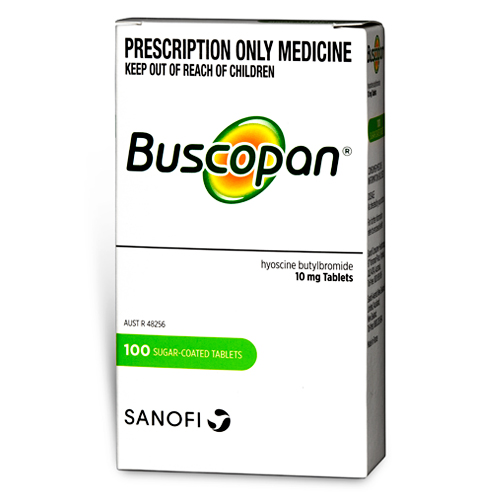
- Antispasmodics used to treat irritable bowel syndrome (IBS) and other similar conditions including, chronic irritable colon, spastic constipation, functional bowel disorders, mucous colitis, spastic colitis, nervous diarrhoea.
- Gastrokinetic drugs that work as serotonin agonists to promote GI motility and are used to treat IBS with constipation.
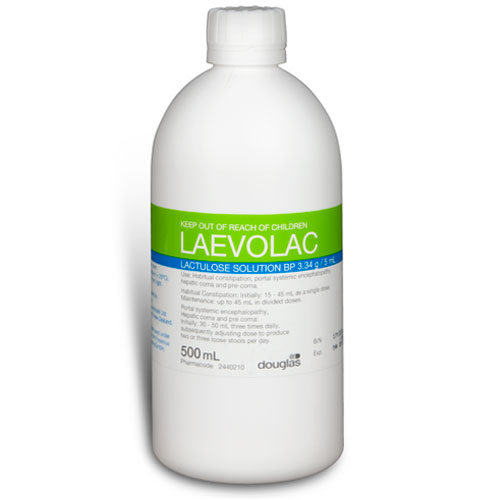
- Laxatives that are used to loosen stools and relieve constipation.