

Your shopping cart is currently empty.
Epilepsy








Transmission of nerve impulses
Messages are transmitted from one neurone (nerve cell) to another by the generation of electrical and chemical signals. At one end of the neurone, structures called dendrites pick up the stimulus from the connecting neurone and this generates an electrical signal that travels down the body of the cell called the axon and stimulates the release of chemical signals or neurotransmitters from the other end. These neurotransmitters travel across the gap or synapse between the axon terminal of one neurone (pre-synaptic) and the dendrites at the top of the next neurone (post-synaptic). They bind to specific receptors and trigger the generation of another electrical signal in the next neurone. This transmission of electrical and chemical messages takes just milliseconds to complete.An electrical signal is generated by the exchange of charged particles or ions across voltage-dependant ion channels in the cell membrane controlled by ion pumps. When a neurone is not transmitting messages it is resting and its membrane is polarised which means that the electrical charge on the outside of the membrane is positive due to an excess of sodium ions, while the charge on the inside is negative and there is an excess of potassium ions.
When the neurone is stimulated, the gated channels on the membrane open and sodium ions flood into the cell and the membrane becomes depolarised generating an action potential and an electrical signal is propagated along the axon. The ions return to their original levels and the cell becomes repolarised, ready to receive another signal.
At the other end of the neurone, the electrical signal triggers the membrane to depolarise allowing calcium ions to enter the cell and this stimulates the release of neurotransmitters. Some neurotransmitters trigger an action potential in the next neurone and are is stimulatory, others are inhibitory and prevent the generation of an action potential.
Once it has done its job the neurotransmitter is degraded or reabsorbed back into the pre-synaptic neurone that released it, so that the stimulus stops once transmission to the next neurone is complete.
What is epilepsy?
Epilepsy is characterised by recurring spontaneous seizures, which is uncontrolled muscular spasm, due to episodes of abnormal electrical activity in the brain. A chemical imbalance of neurotransmitters in the brain results in a malfunction in the transmission of electrical signals and causes repetitive firing and transmission of excitatory nerve messages. These bursts of abnormal electrical activity in the brain send nerve signals to the motor neurones in the central nervous system and trigger seizures. Epileptic seizures vary from mild convulsions to violent muscle spasms with loss of consciousness, depending on the part of the brain affected. The trigger for epileptic seizures can be due to anything that disturbs normal activity of neurones, including head injury, stroke, brain tumour, brain infection, drug abuse, but in many cases the cause is unknown (idiopathic) and epilepsy can start at any age.Medications for epilepsy
Drugs used to prevent epileptic seizures are anticonvulsants that control the bursts of electrical activity in the brain that cause seizures. They work by preventing the repetitive firing of nerve messages acting through different mechanisms, including:- Blocking sodium channels that are involved in triggering the action potential and setting up the nerve signal
- Blocking calcium channels that respond to the nerve signal and trigger the release of neurotransmitters
- Adjusting the balance between inhibitory and excitatory neurotransmitters
Sodium/calcium channel blockers
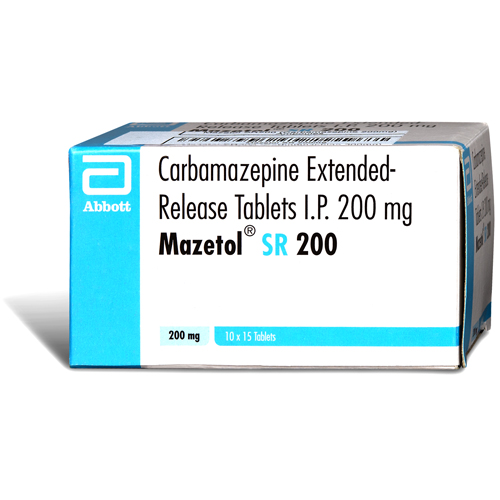
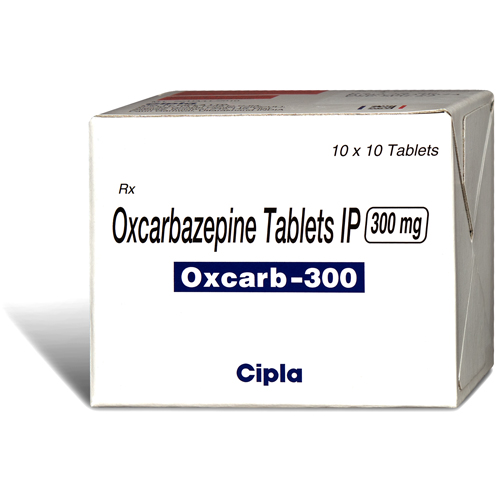
Some anticonvulsants control neurotransmission and act directly on nerve cells to stabilise nerve cell membranes by blocking sodium or calcium channels. This reduces electrical activity and helps to “calm down” nerves that have become hyperexcited, thereby inhibiting the repetitive firing and transmission of excitatory nerve messages, in areas of the brain where hyperactivity causes seizures. Medications that act as membrane stabilisers include the following:- Carbamazepine blocks voltage-dependent sodium channels in nerve cell membranes that control the flow of sodium ions into the nerve cell and triggers an electrical transmission, which in hyperexcited nerve cells can trigger a seizure. This action is also thought to suppress the release of the neurotransmitters dopamine and noradrenaline.
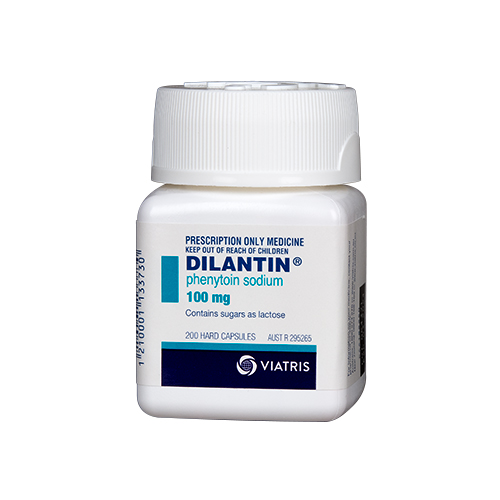
- Phenytoin acts directly on a specific area in the brain called the motor cortex, which controls movement and works by promoting the release of sodium ions out of the nerve cell through voltage-gated sodium channels in the membrane. This prevents the spread of electrical activity that sends nerve signals from the brain to the central nervous system to trigger a seizure.
- Topiramate blocks sodium channels and thereby reduces the neurone’s ability to send out continuous signals which cause seizures.
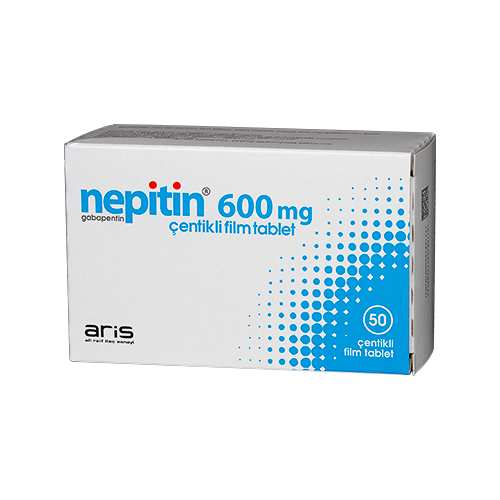
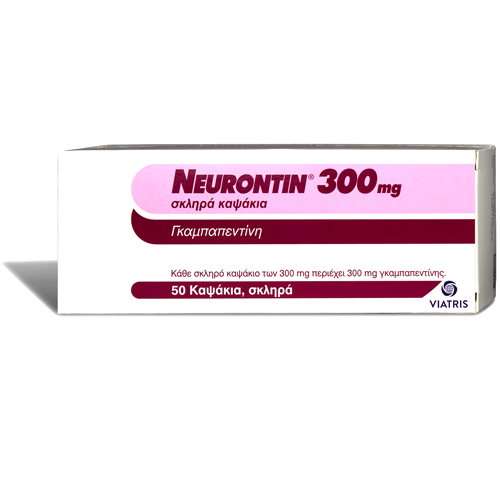
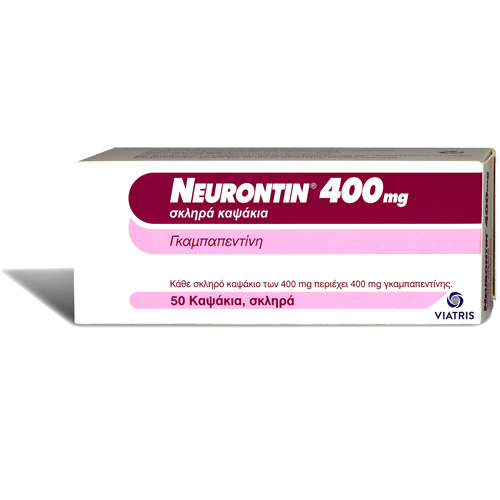
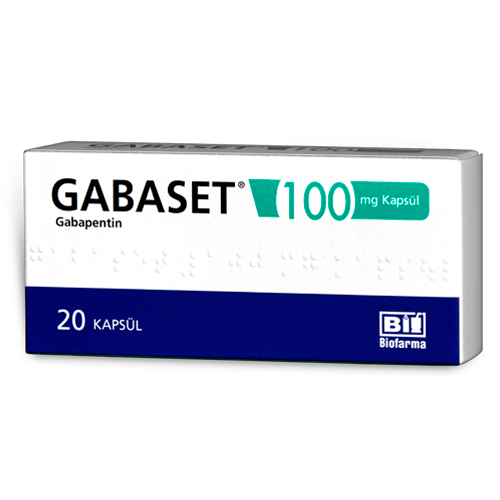
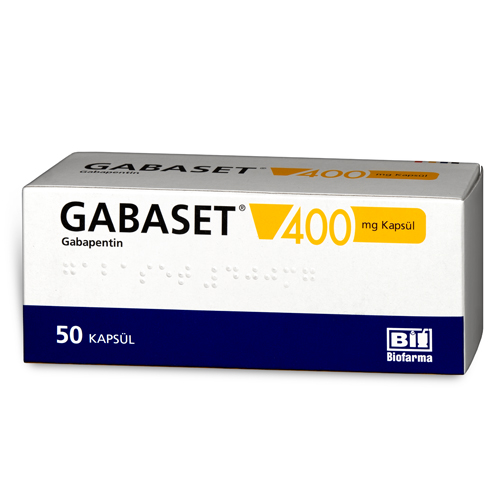
- Gabapentin is an analogue of Gamma aminobutyric acid (GABA), which is the major inhibitory neurotransmitter in the brain and is thought to control neurotransmission via voltage-gated calcium channels.
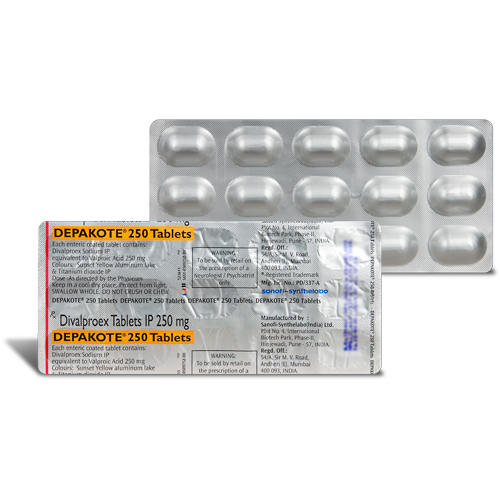
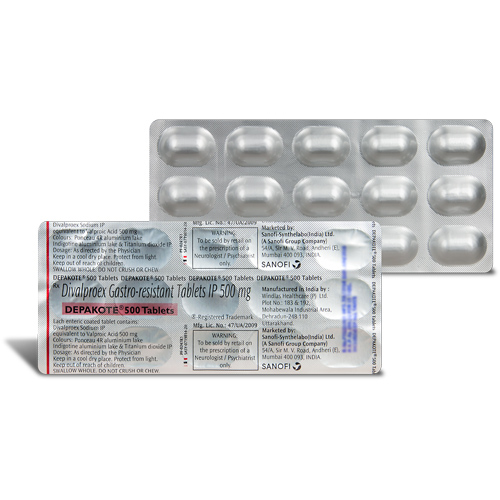
- Sodium valproate acts as a nerve cell membrane stabiliser by blocking voltage-dependent sodium channels.
Inhibitory and excitatory neurotransmitters
For the brain to function normally it is important to have a balance between excitatory and inhibitory neurotransmitters. Glutamate is the major excitatory neurotransmitter and interacts with receptors that have excitatory effects, which means that they increase the probability that the target cell will set up an action potential and trigger a nerve signal. Gamma-aminobutyric acid (GABA) is the major inhibitory neurotransmitter and interacts with receptors that have inhibitory effects by failing to trigger a nerve signal and this has a calming effect on nerve cells. Medications that regulate the balance between excitatory and inhibitory neurotransmitters include the following:- Sodium valproate increases the activity of the inhibitory neurotransmitter GABA. It works by inhibiting GABA degradative enzymes like GABA transaminase and/or succinic semialdehyde dehydrogenase thereby preventing its degradation; also by preventing the reuptake of GABA by the pre-synaptic nerve cell.
- Topiramate stimulates the activity of GABA by enhancing the frequency that it activates its receptor; also by enhancing the ability of GABA to increase the flow of calcium ions into the end of the nerve cell that stimulates release of neurotransmitters. Topiramate also inhibits the activity of the excitatory neurotransmitter glutamate, which adds to the calming effect on brain electrical activity.
- Gabapentin is an analogue of the inhibitory neurotransmitter GABA but does not work through the same receptors as GABA. It does however, bind to a receptor in brain neurones and is thought to control neurotransmission by blocking voltage-gated calcium channels, which reduces the propagation of excitatory nerve transmissions and calms excitatory nerve cells.