

Your shopping cart is currently empty.
Parkinson's
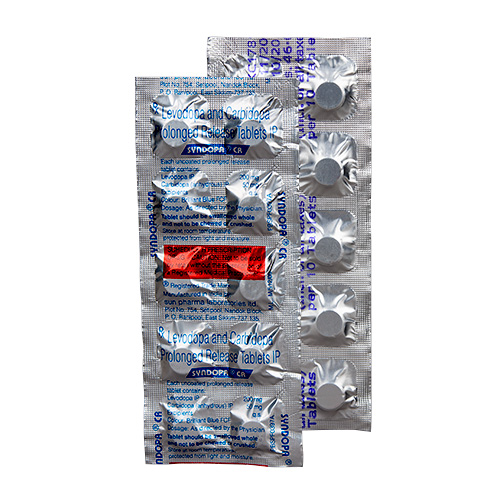

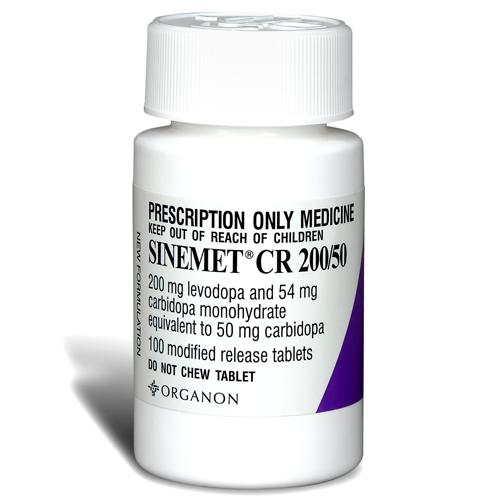
GenericSyndopa CR 125 (Levodopa and Carbidopa 100/25) 10 Tablets/ Strip
OUT OF STOCK
Out of stock
$30.00
What is Parkinson’s?
Parkinson’s disease is a degenerative neurological motor system disorder caused by gradual loss of specific dopamine-producing neurones (nerve cells) in the area of the mid-brain called the substantia nigra. Dopamine is a neurotransmitter that plays an important role in controlling muscle function and movement. It links several nerve pathways involved in various brain functions, including motor function, memory, learning and decision making. The loss of communication between the various areas of the brain due to reduced levels of dopamine is associated with the symptoms of Parkinson’s, most of which are related to abnormal movement. Symptoms of Parkinson’s include, uncontrolled trembling in hands, arms, legs, jaw, and face (tremor); overall stiffness if the body and limbs; slowness of movement (bradykinesia) and impaired balance and coordination. As the disease progresses, symptoms become more pronounced and develop into difficulty with walking, talking and swallowing; as well as urinary or bowel problems, sleeping problems and depression.Parkinsonism is the term used to describe a group of movement disorders, which produce the same signs and symptoms as Parkinson’s disease but have known causes, including, stroke and side effect of medication, particularly neuroleptics, antipsychotics and narcotic overdose.
Medications for Parkinson’s
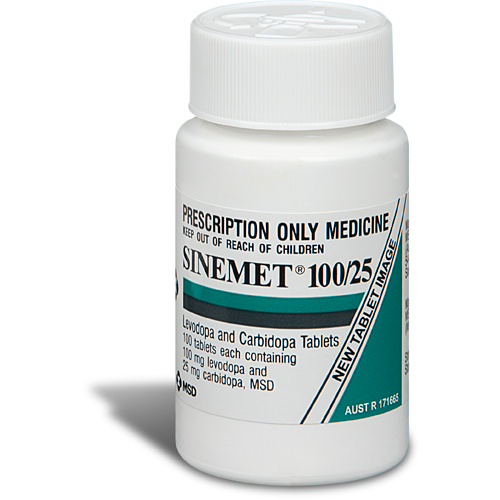
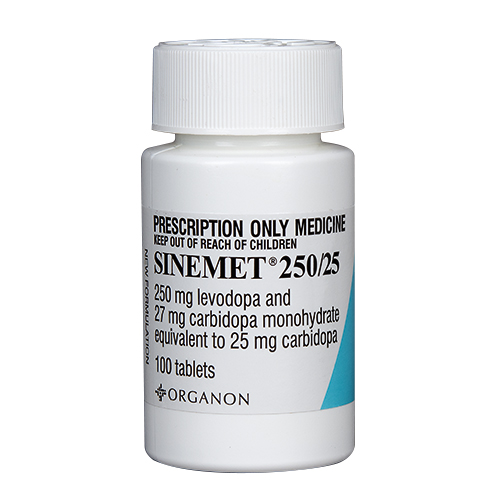
Medications used to treat Parkinson’s disease focus on the loss of dopamine in the brain and increase the amount of dopamine by different mechanisms. These medications provide symptom relief but cannot cure the disease. Medications that increase dopamine include:- Levodopa, in combination with carbidopa, that substitute for dopamine
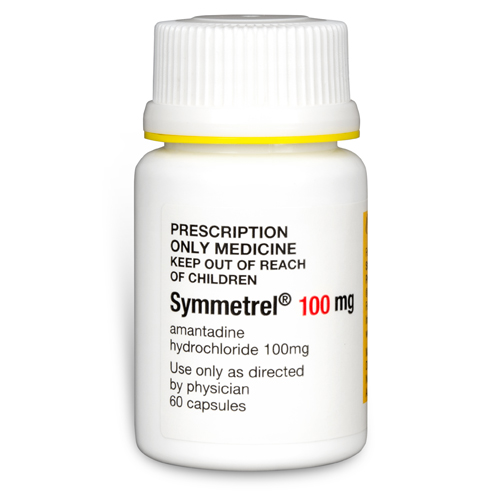
- Amantadine, that increases dopamine availability
- Selegiline, that prevents degradation of dopamine
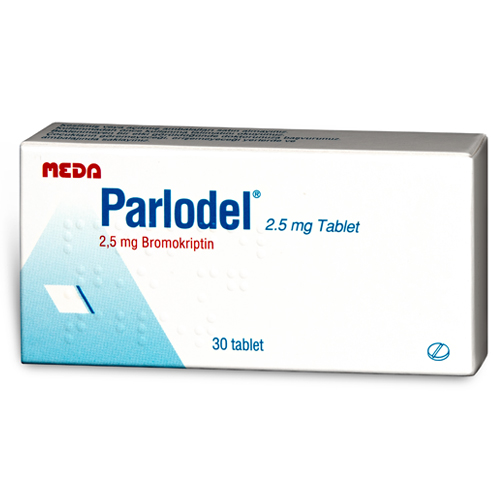
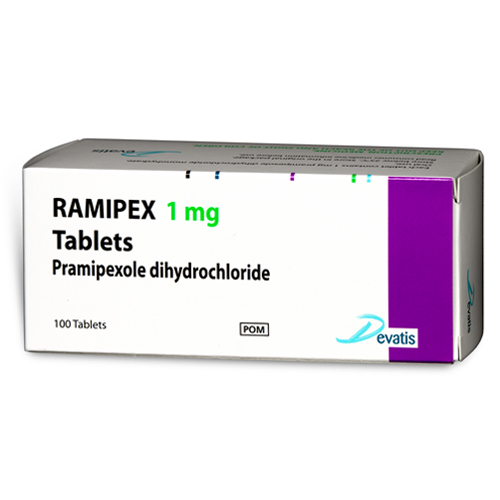
- Bromocriptine, that acts as a dopamine agonist
Restoring dopamine levels
Levodopa is the metabolic precursor of dopamine and is converted to dopamine in the brain by the enzyme decarboxylase. Carbidopa is a decarboxylase inhibitor but does not cross the blood brain barrier, so that when administered together with levodopa it prevents its conversion in the blood until it reaches the brain. This action ensures that more levodopa gets into the brain for conversion to dopamine to help restore dopamine levels in the brain.Increasing dopamine availability
A neurotransmitter like dopamine is released by the pre-synaptic neurone, crosses the synapse and binds to receptors on the post-synaptic neurone, where it activates a nerve signal and thereby propagates the transmission of nerve signals. Any remaining neurotransmitter in the synapse is degraded by specific enzymes and/or reused by re-uptake into the pre-synaptic neurone. Each stage of this process is a potential target for drug intervention that can increase the availability of a neurotransmitter like dopamine.Monoamine oxidase (MAO) is an enzyme that inactivates certain neurotransmitters, including dopamine, after they have transmitted nerve signals from one neurone to the next. Selegiline is a selective inhibitor of the MAO type B enzyme that is found in neurones and causes the degradation of dopamine. Selegiline has several actions to promote dopamine availability; it prevents breakdown of dopamine and inhibits the re-uptake of dopamine from the synapse. It also blocks pre-synaptic dopamine receptors, which may help increase the activity of dopamine in the brain. Selegiline has been found to be effective in reducing symptoms in early stages of Parkinson’s disease, but is also used in combination with levodopa to help control symptoms as the condition progresses and worsens and it is thought to potentiate the effectiveness of levodopa.
Amantadine is another drug that increases dopamine availability in the brain. It acts by enhancing the release of dopamine into the synapse and by delaying its re-uptake from the synapse.