
Your shopping cart is currently empty.
Smoking Cessation



About cigarettes
Cigarettes as well as cigars, pipes, snuff and chewing tobacco are vehicles or delivery systems for getting nicotine out of tobacco and into the blood stream, along with many other toxic and carcinogenic (cancer forming) chemicals. Tar is a major component of cigarettes and forms a sticky, brown substance which stains fingers and teeth but also sticks to the lungs where it causes damage to lung tissue. When cigarettes burn, carbon monoxide is released into cigarette smoke and this reduces oxygen levels in the blood and increases risk of cardiovascular disease. As well as naturally occurring chemicals in the tobacco leaves themselves, other chemicals are added to cigarettes to enhance flavour and burning; also to increase nicotine uptake and dependency. Cigarette smoking is one of the leading preventable causes of diseases like lung cancer, respiratory disease and heart disease. Second-hand cigarette smoke is also dangerous.The effects of nicotine
Nicotine is an alkaloid chemical that is a natural insecticide and is found in the nightshade plant family which includes the tobacco plant. It is one of the most poisonous known chemicals and most addictive known drugs. Once inhaled via cigarette smoke, nicotine is rapidly absorbed into the blood and reaches the brain within seconds.The biological effects of nicotine are based on its chemical resemblance to the neurotransmitter (brain chemical that allows nerve cells to communicate) acetylcholine. Nicotine acts as a stimulant and the first action of inhaled nicotine is to stimulate release of adrenaline from the adrenal glands. This stimulates the central nervous system and increases blood pressure, respiration rate and heart rate. Nicotine also inhibits insulin release from the pancreas which causes blood sugar levels to rise.
The major effect of nicotine in the brain is to stimulate the release of dopamine in the limbic system of the brain, which is where the reward circuits of the brain are located and this creates a feeling of relaxation and euphoria. This area of the brain is also the control centre for appetite, learning, memory and pleasure, which are normally stimulated by food, comfort and pleasurable company to release dopamine.
Nicotine addiction and dependency
The vicious cycle of addiction to nicotine and dependency begins with the first puff. With continued smoking the brain pathways that control reward and pleasure begin to change and the body becomes dependant on nicotine to function normally.Without the nicotine reward, the smoker experiences cravings followed by withdrawal symptoms, including irritability, depressed mood, anxiety, difficulty concentrating, restlessness, sleep disturbances, decreased heart rate, and increased appetite or weight gain.
Another symptom of addiction is that the amount of the addictive drug needed to obtain the same reward increases as the body becomes tolerant to the effect of the drug, making it very difficult to cut down or give up cigarettes. Nicotine addiction is one of the hardest addictions to break.
Stop smoking treatments
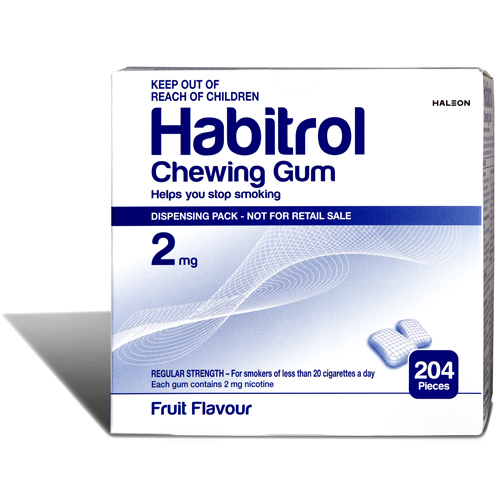
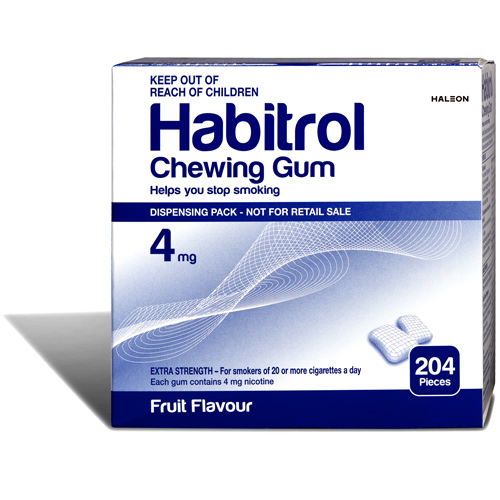
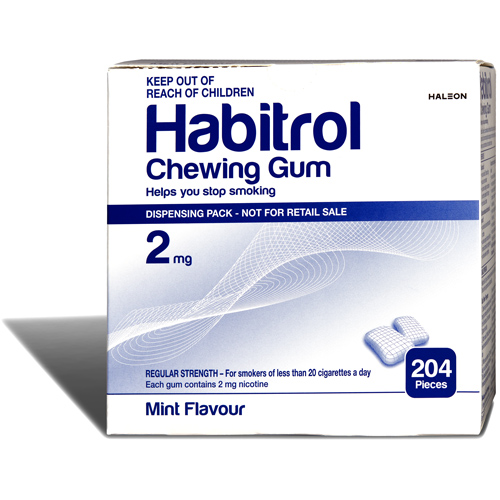
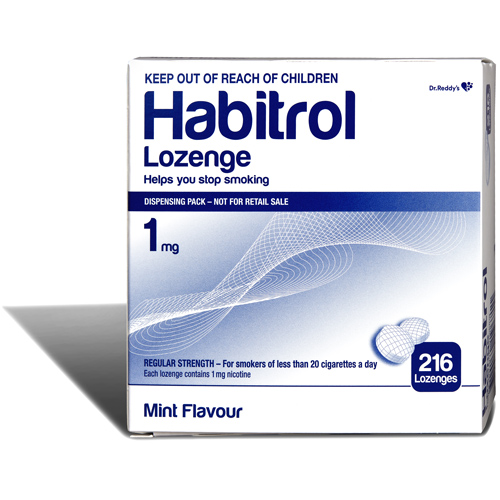
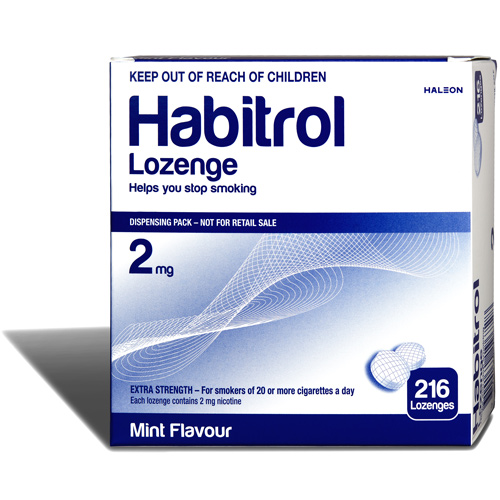
Breaking the nicotine addiction cycle is not easy to do without help and there are several treatments that can be used to support stop smoking efforts. These include:- Nicotine replacement therapy, which is available as gum, patches or inhaler containing controlled amounts of nicotine used to wean smokers off nicotine dependence without the unpleasant withdrawal symptoms.
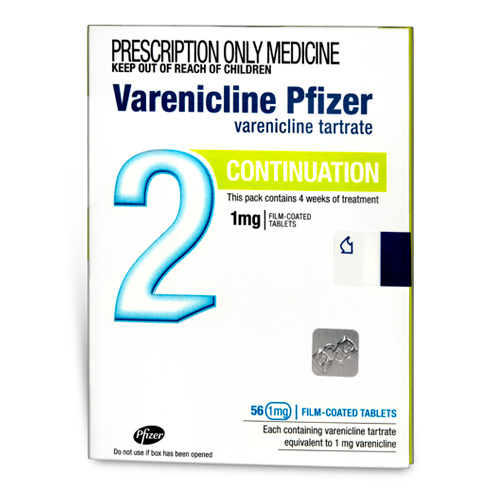
- Nicotine receptor blockers that help reduce the pleasurable effects of smoking and reduce withdrawal symptoms while breaking smoking dependency.
- Medication containing nicotine free natural ingredients to help relieve withdrawal symptoms.
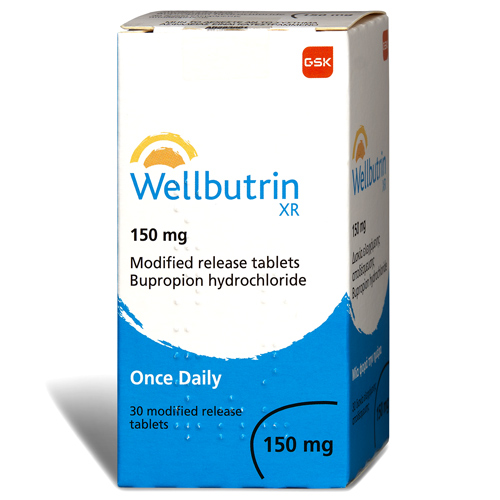
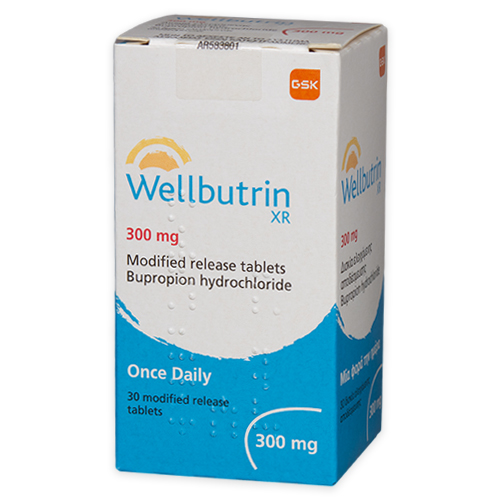
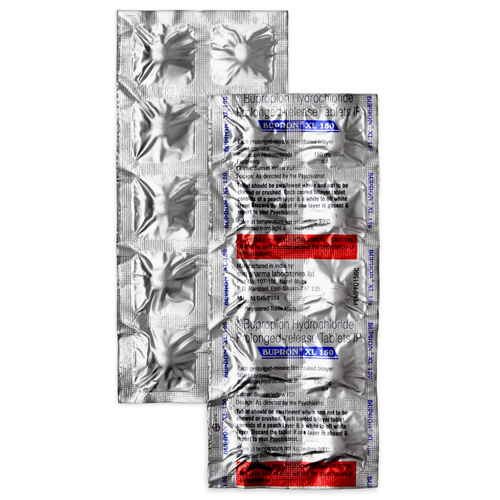
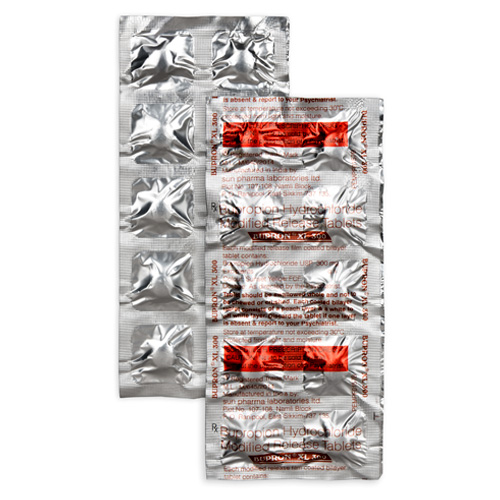
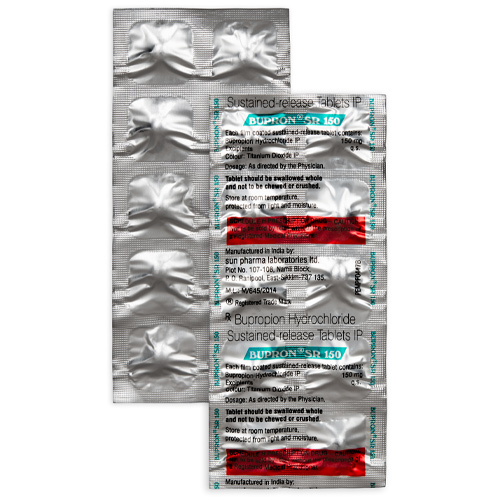
- Anti-addictive anti-depressant medication that acts on brain neurotransmitters to help break the addiction cycle.