
Your shopping cart is currently empty.
Heart Health

Compromising heart health
Heart health is compromised by cardiovascular disease, which affects the heart or blood vessels and can be caused by an infection, inflammation or a genetic predisposition. However, the main causes and risk factors are:
- high cholesterol, causing blockage and hardening of arteries,
- high blood pressure or hypertension, which increases workload on the heart and damages blood vessels
- smoking, which damages blood vessels.
- poor diet and lack of exercise
Atherosclerosis
Atherosclerosis is a condition in which the build-up of fatty deposits, mainly cholesterol, in the blood vessel walls causes hardening of the arteries. Eventually over time this forms a plaque that pushes into the artery lumen and narrows the artery, which reduces blood flow and puts a strain on the heart as it pumps blood through narrowed blood vessels. Atherosclerosis can progress undetected until it becomes dangerous, causing a complete blockage of the artery, which can result in heart attack, angina or stroke, depending on which artery is affected.Hypertension
Blood pressure is the force needed to pump blood around the body. Blood pressure measurements are divided into systolic pressure, which is when the heart contracts forcing blood out into the arteries, and diastolic when the heart rests and fills with blood. Blood pressure measurement is expressed as systolic pressure over diastolic pressure. Hypertension is high blood pressure at rest and causes reduced blood flow, increases the force needed to pump blood around the body, increases workload on the heart and increases oxygen demand. This can cause damage to blood vessels as well as cause end organ tissue damage to the kidneys, eyes and nerves. Hypertension also increases risk of cardiovascular disease, including stroke and heart attack.What is cardiovascular disease?
Cardiovascular disease and atherosclerosis increase the risk of:
- coronary artery disease or narrowing of blood vessels that supply the heart
- peripheral vascular disease or narrowing of arteries other than those that supply the heart or brain and can include small capillaries
- stroke when blood flow to the brain is blocked; the brain does not get enough oxygen and cells begin to die
Conditions caused by cardiovascular disease
Cardiovascular disease can cause the following conditions:
- Angina is a symptom of coronary artery disease when the heart does not get enough oxygen and compensates by pumping harder and faster. Symptoms include discomfort or pain in the chest and breathlessness on exertion. Angina is not the same as heart attack as it is not caused by a blockage only a narrowing of the arteries and there is no permanent damage to the heart muscle.
- Congestive heart failure is when the heart does not pump efficiently and cannot maintain adequate circulation of blood. This is because the heart muscle has become weakened and the heart works harder to compensate. It is caused by damage to the heart muscle due to a previous heart attack or prolonged high blood pressure or due to a condition called cardiomyopathy or large heart. Oedema is a symptom of heart failure as fluid collects in the tissues and in the lungs due to poor circulation causing swelling usually in the arms, legs, ankles; also shortness of breath, breathlessness on exertion, cough and weakness and fatigue.
- Atrial fibrillation or irregular heart rhythm, usually a rapid heart beat, has several possible causes. A major cause is prolonged high blood pressure, which results in disturbed blood flow and increases risk of heart failure and stroke. Symptoms include heart palpitations and shortness of breath.
- Thrombosis is when a thrombus or blood clot forms at the site of injury on the blood vessel wall and blocks the flow of blood. A thrombosis can be initiated by direct injury to the blood vessel wall, such as due to high blood pressure or by secondary effects of cardiovascular disease such as atrial fibrillation, due to blood pooling in the heart. The result of a thrombosis depends on where the blockage occurs; if the coronary arteries become blocked this can cause a heart attack; if the arteries to the brain become blocked, this can cause a stroke.
- Thromboembolism or embolism is a thrombus that becomes dislodged from the blood vessel wall and travels in the blood to another site in the body where it may get stuck and block blood flow. The site where the thrombus ends up determines the outcome. If the embolism stops in the lungs it is a pulmonary embolism, if it stops in the coronary artery it can cause a heart attack, or in vessels supplying the brain it can cause a stroke.
Classes of cardiovascular medications
Several medications are available for treating hypertension and cardiovascular conditions. They have different mechanisms of action often to achieve the same result, so that a particular type of medication can be used for several conditions with similar causes. Some medications however, are used only for a specific condition and some can be used together for increased effectiveness.
The various classes of cardiovascular medications include:
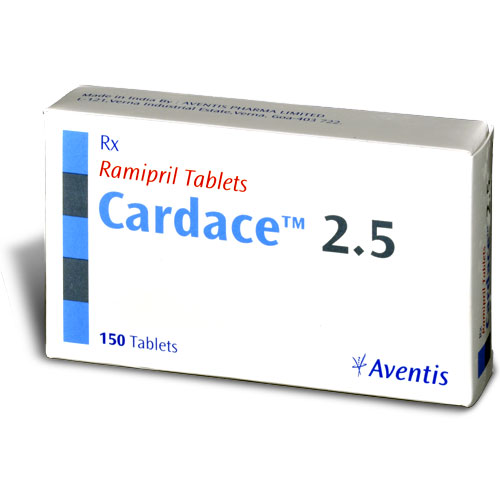
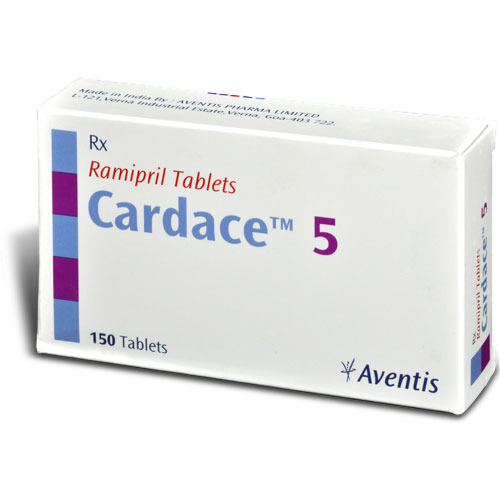
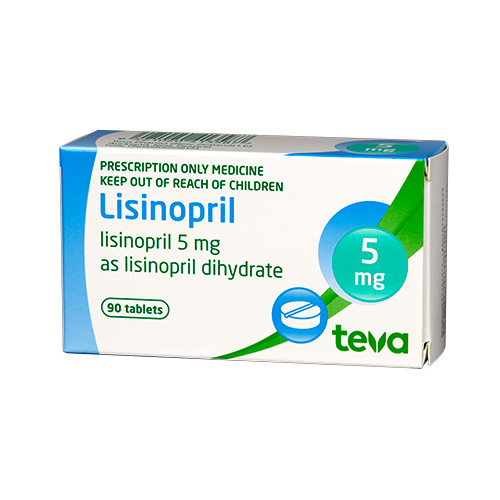
- ACE inhibitors are used to treat hypertension and congestive heart failure and work by inhibiting the action of Angiotensin Converting Enzyme that causes salt and water retention by the kidneys and also causes blood vessel narrowing, which increases blood pressure. The action of ACE inhibitors reduces blood volume, widens blood vessels and lowers blood pressure.
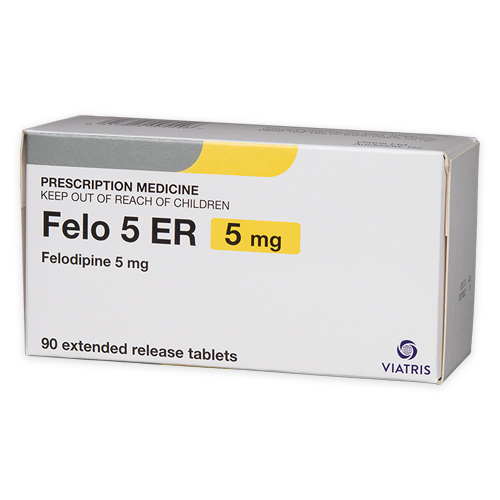
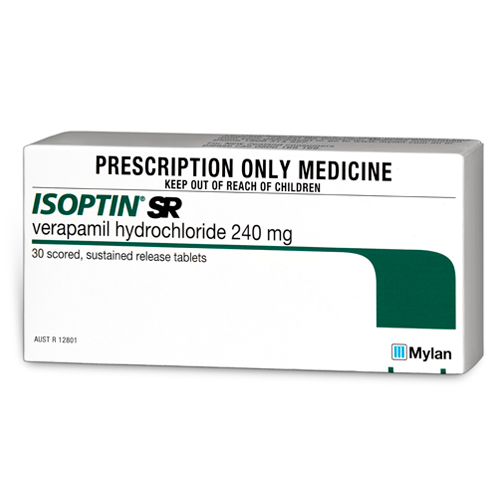
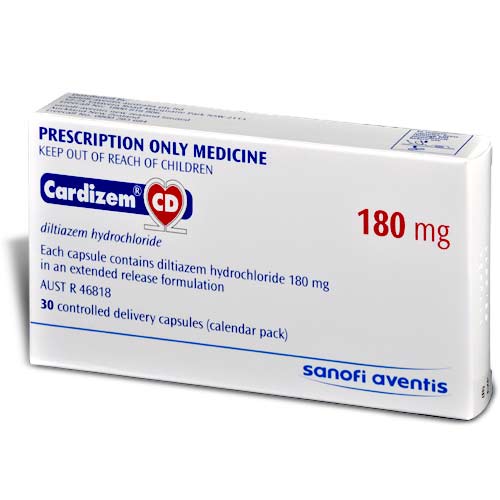
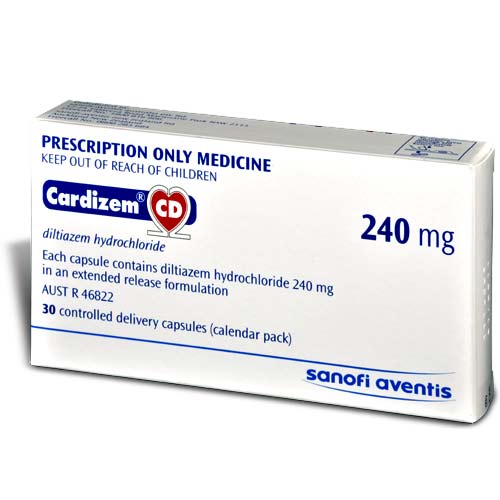
- Calcium channel blockers are used to treat hypertension and angina and work by blocking inflow of calcium ions into smooth muscle cells of blood vessel walls, preventing them from contracting and allowing blood vessels to widen.
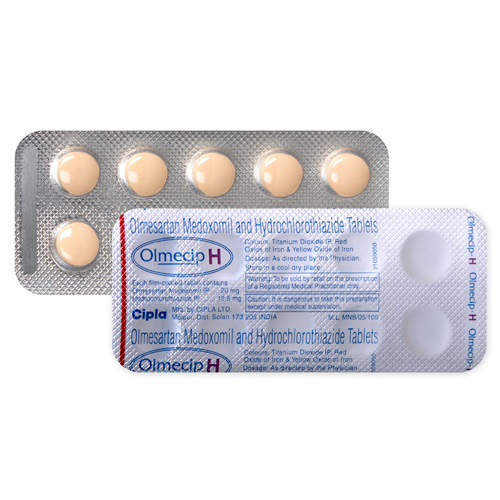
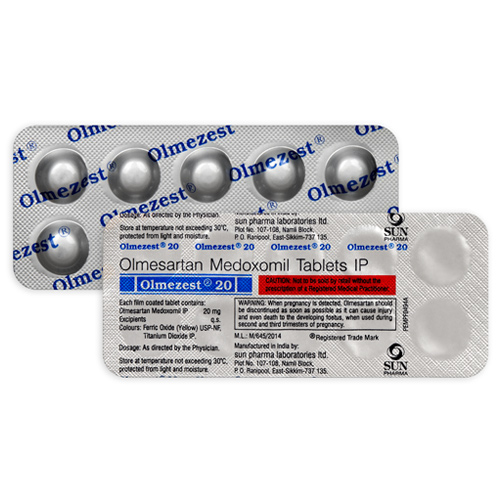
- Angiotensin II receptor blockers (ARB) are used to treat hypertension and congestive heart failure and work by blocking the hormone angiotensin II binding to its receptor, which prevents salt and water retention by the kidneys, blood vessel narrowing and increase in blood pressure. The action of ARBs reduces blood volume, widens blood vessels and lowers blood pressure.
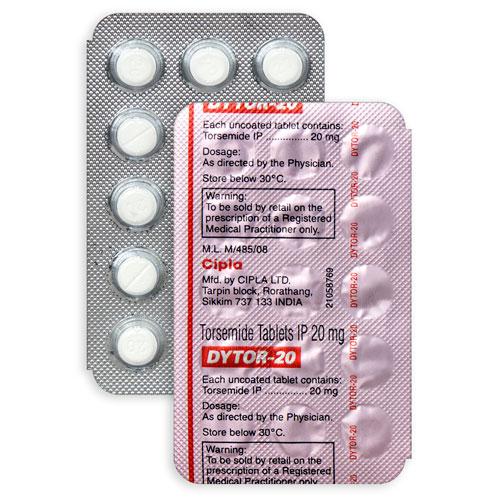
- Diuretics are used to treat hypertension and congestive heart failure and work by acting on the kidneys and promoting the excretion of salts and water to reduce blood volume and thereby reducing blood pressure and oedema (fluid retention in the tissues).
- Anti-clotting drugs are used to prevent thrombosis associated with cardiovascular disease and work by inhibiting the binding of adenosine diphosphate (ADP) to its receptor on platelets and this inhibits platelet aggregation and reduces risk of a clots forming.
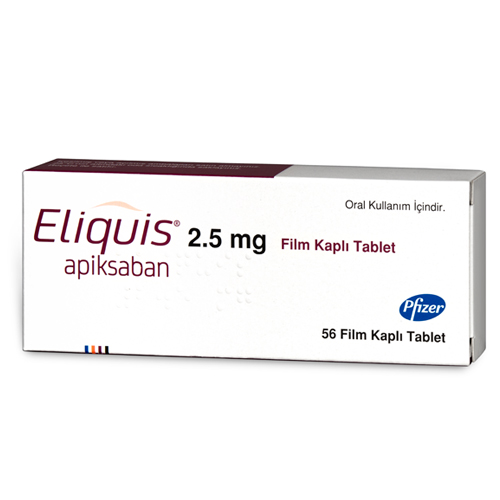
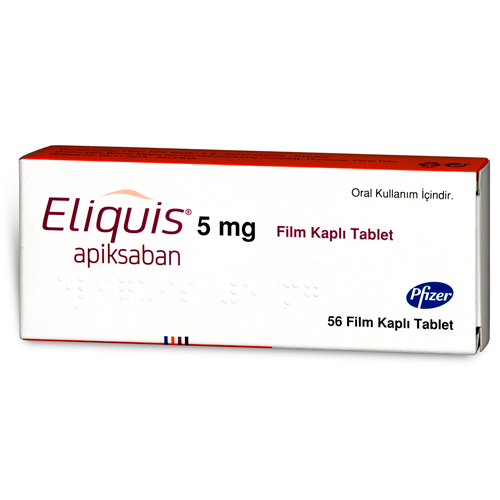
- Anticoagulants are used to treat and prevent thrombosis and thromboembolism associated with cardiovascular disease and work by inhibiting the production of Vitamin K dependent blood coagulation factors, which inhibits the coagulation cascade and prevents blood clotting.
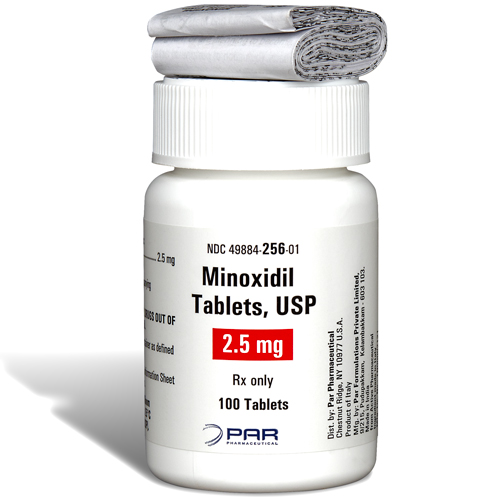
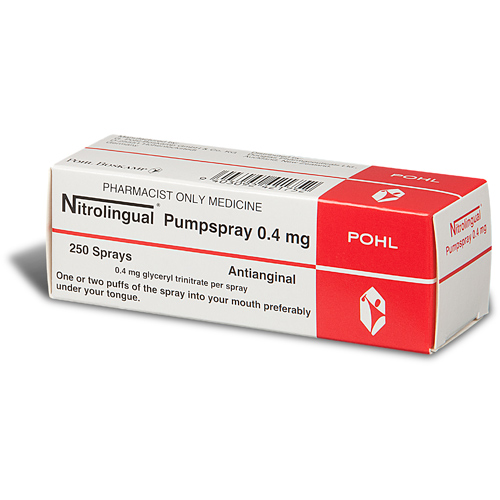
- Vasodilators are used to treat poor circulation, hypertension and angina, and act directly on blood vessel walls, causing them to relax and widen, which allows blood to flow more freely.
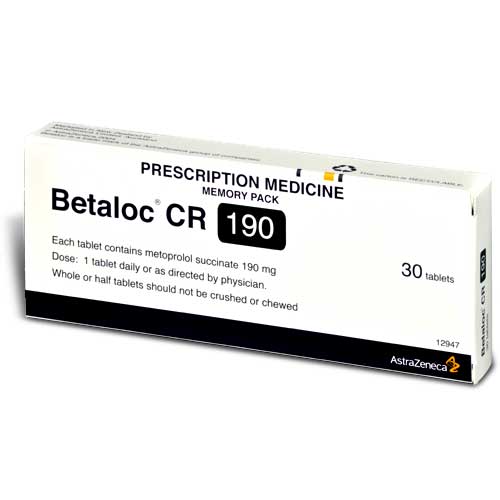
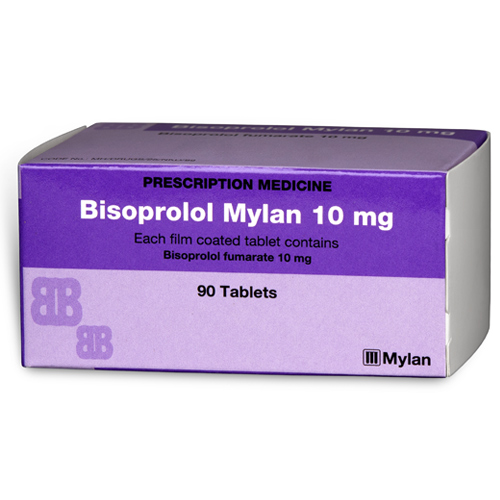
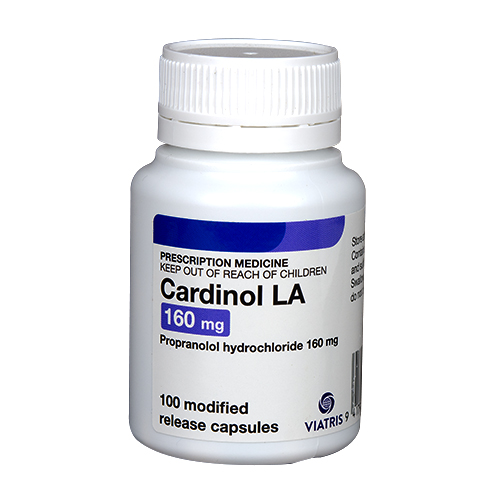
- Beta blockers are used to treat hypertension, angina and arrhythmias and work by blocking the action of catecholamines such as adrenaline that act on beta receptors in the heart to increase heart rate and narrow blood vessels. The action of beta blockers is to slow heart rate, widen blood vessels, lower blood pressure, and increase blood flow and oxygen to the heart.
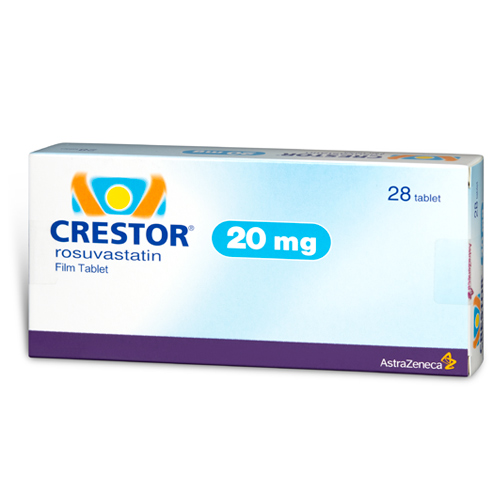
- Cholesterol lowering drugs are used to treat high cholesterol or hypercholesterolaemia and work by lowering levels of cholesterol and other fats in the blood