

Your shopping cart is currently empty.
Diuretics
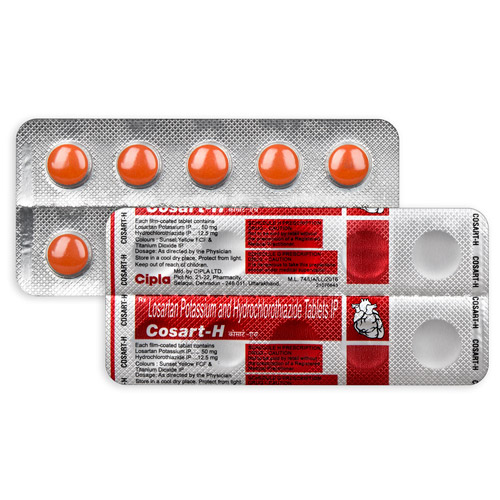
GenericCosart-H (Losartan Potassium & Hydrochlorthiazide 50mg/12.5mg) Tablets
View Product
In stock
$28.00
What is oedema?
Oedema is swelling of the tissues due to water retention, as fluid in the spaces between cells (interstitial spaces) does not drain away and accumulates. Although some interstitial fluid is normal, damaged cells leak fluids causing oedema in various parts of the body, including the feet, ankles and lungs (pulmonary oedema) and this is caused by several conditions, including congestive heart failure. High blood pressure can also cause blood vessels to become leaky and this forces fluid into the tissues.How diuretics work
Diuretics (also known as water tablets) are used to
treat oedema and there are different mechanisms of action that the various diuretics
work through.
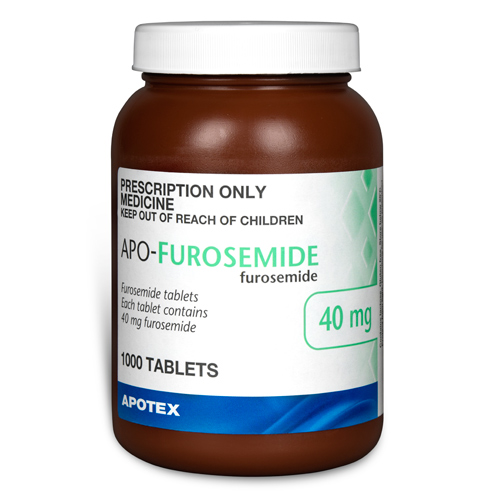
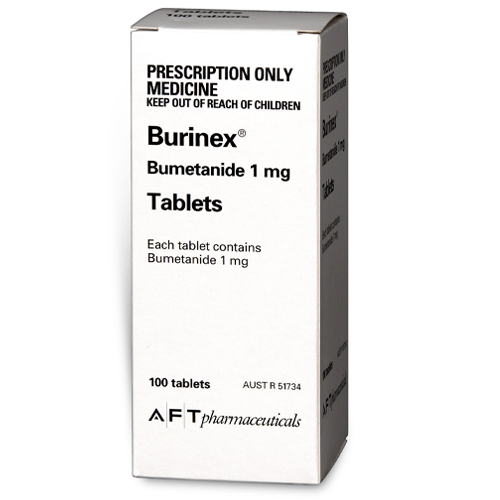
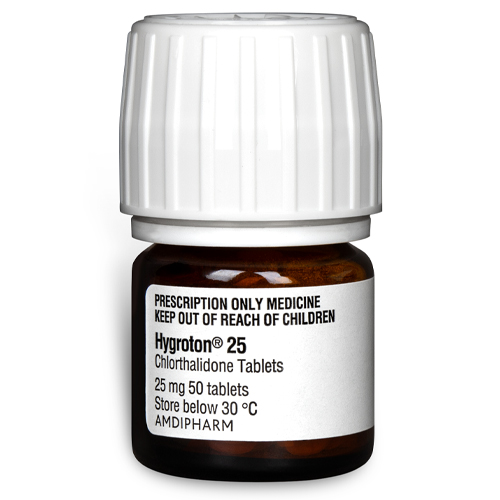
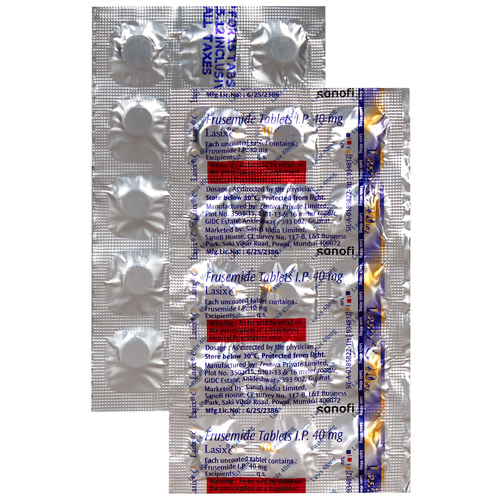
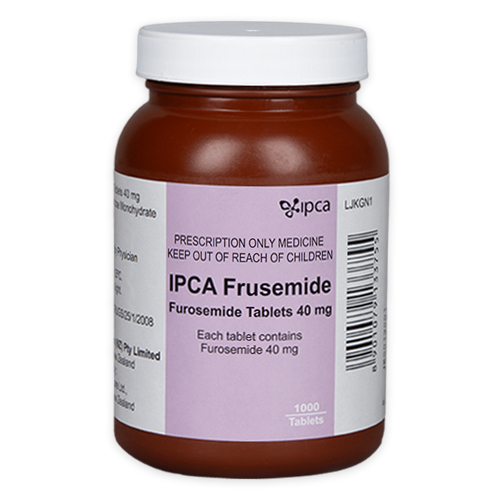
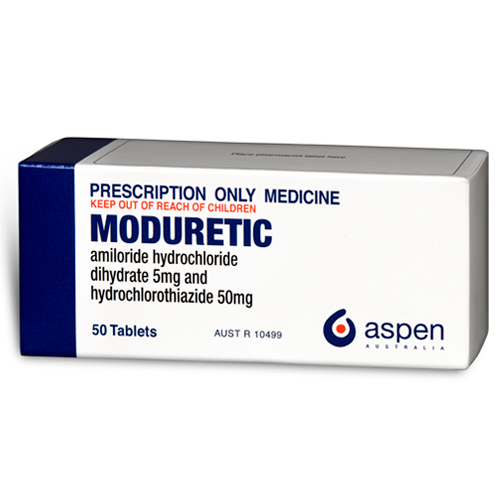
The diuretics frusemide,
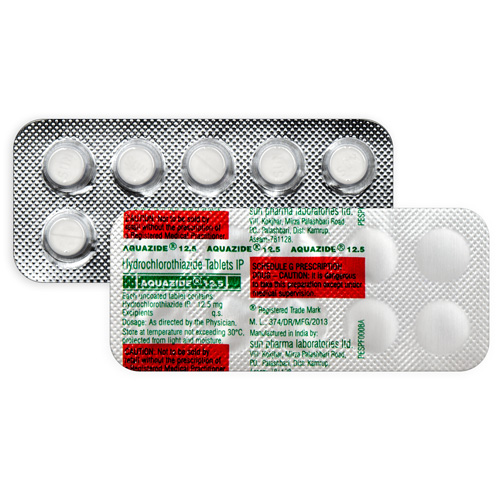
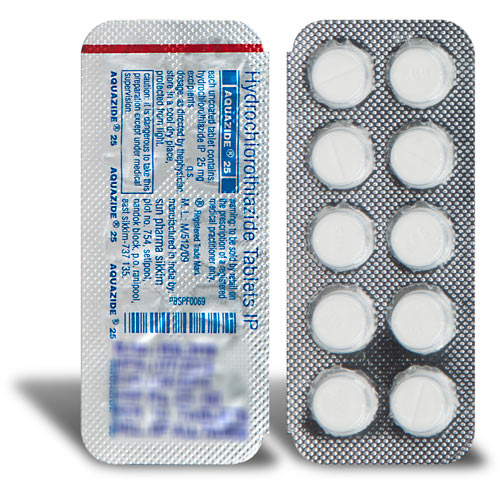
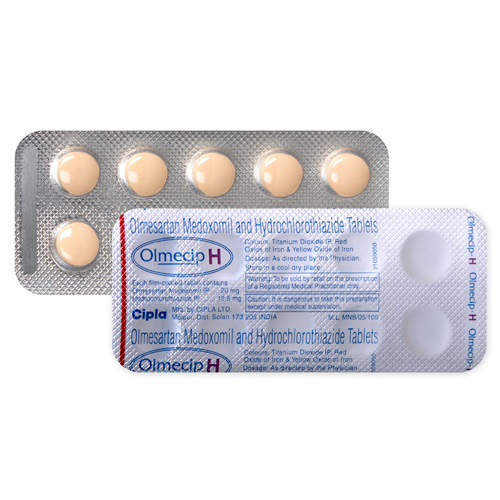
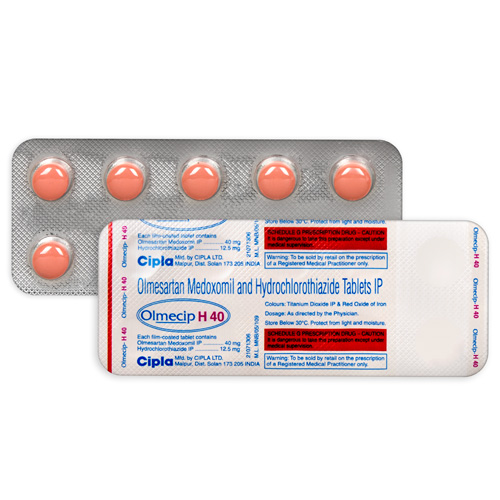
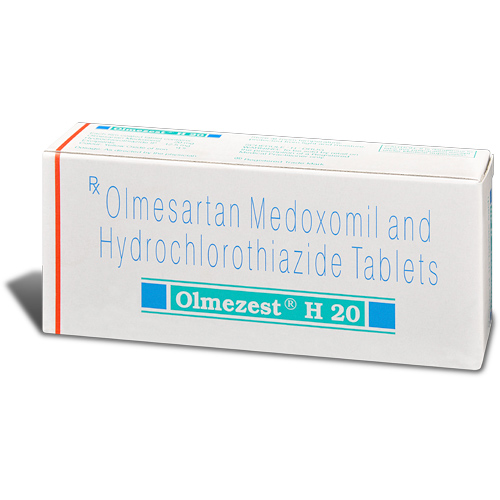
amiloride and hydrochlorothiazide act directly on the kidneys to promote the
removal of salts and water from the blood, which increase the urine volume and
decreases blood volume. This action
draws water out of the tissues and reduces resistance to blood flow in peripheral
arteries, which reduces oedema and also helps lower blood pressure.
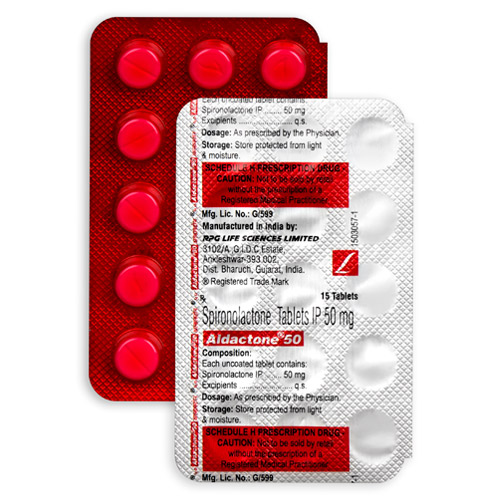
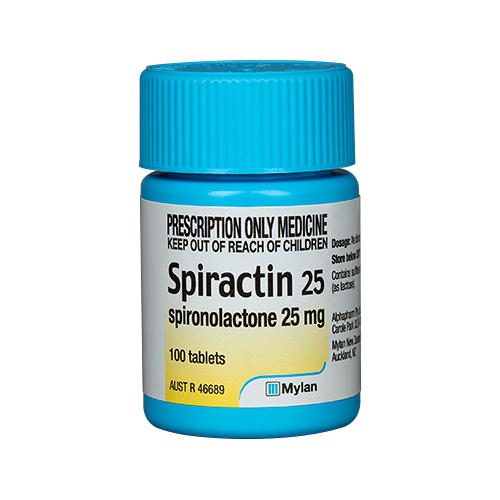
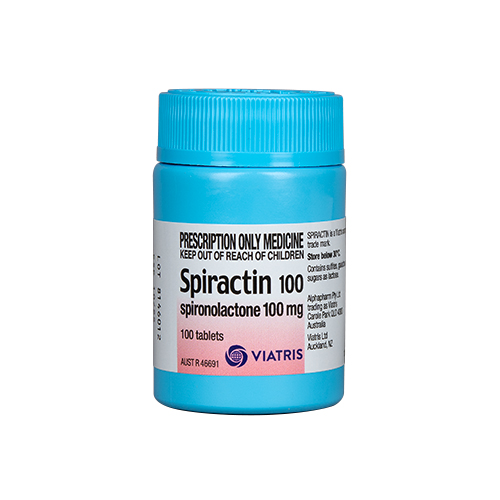
Spironolactone has a
different mechanism of action and acts as an antagonist of aldosterone, a
hormone that promotes the reuptake of salts by the kidneys at the distal end of
the kidney tubules. Spironolactone is
known as a potassium sparing
diuretic as it promotes fluid
loss from the body but also reduces loss of potassium, which can happen with
other diuretics.