
Your shopping cart is currently empty.
Anti-Clotting / Anticoagulants
Blood clots
Haemostasis is the process of preventing bleeding from a damaged blood vessel to keep blood flowing through the artery or vein. Injury or damage to a blood vessel wall initiates the formation of a blood clot or thrombus to block the site of the damage and prevent bleeding, which if severe can cause haemorrhage or severe bleeding from a ruptured blood vessel. However a thrombus can form even if the vessel wall is not ruptured as a result of damage by cholesterol deposits; smoking; high blood pressure; or from blood pooling due to atrial fibrillation. If the thrombus grows into the lumen of the blood vessel it can cause a blockage resulting restriction of blood flow to the heart or brain and this can result in stroke or heart attack.Platelet aggregation and thrombus formation
Blood platelets (thrombocytes), which are the smallest cell type of the blood and are not true cells as they lack a nucleus, play an important role in haemostasis by initiating thrombus formation. Thrombosis formation is a complex process that begins with platelet aggregation (or clumping). Platelets are normally prevented from aggregating by factors produced by the endothelial cells that line the blood vessel walls. When the vessel wall is damaged, this exposes collagen in the vessel wall, which triggers platelets to begin clumping and then they release their own aggregating factors to amplify the process. One of these factors called adenosine diphosphate (ADP) binds to a specific receptor on the platelet surface. Platelet aggregation is also triggered by thrombin a protein in the blood that forms part of the coagulation cascade. A common cause of vessel injury in cardiovascular disease is when an artery wall, hardened by build-up of cholesterol, ruptures exposing an atherosclerotic plaque and this triggers platelet aggregation.Blood coagulation
The coagulation cascade is activated at the same time as platelet aggregation by the exposure of collagen and tissue factor and involves a series of reactions in which inactive blood enzymes are converted to their active form. The end product of the coagulation cascade is the conversion of the soluble protein fibrinogen to an insoluble fibrous protein called fibrin, which mixes with the clumps of aggregated plates to form the thrombus. Several of the coagulation proteins are synthesised in the liver and are dependent on Vitamin K as a cofactor for their production. The anticoagulants that target vitamin K dependent coagulation factors work by depleting the body’s supply of vitamin K and thereby, preventing the synthesis of these coagulation factors.Anti-platelet drugs and anticoagulants
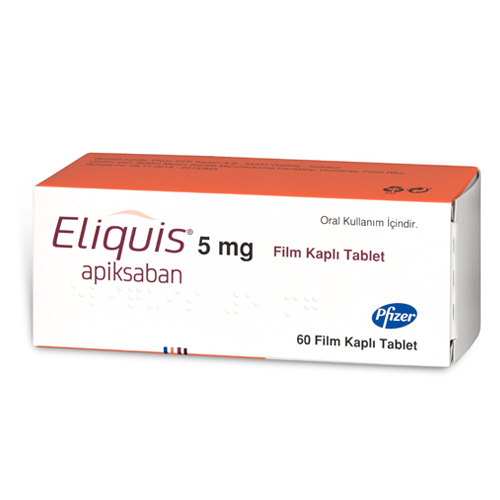
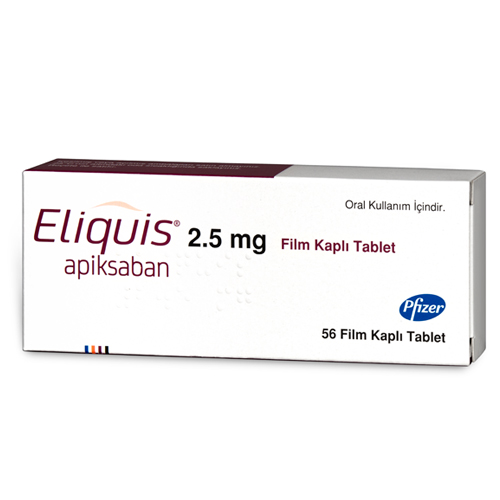
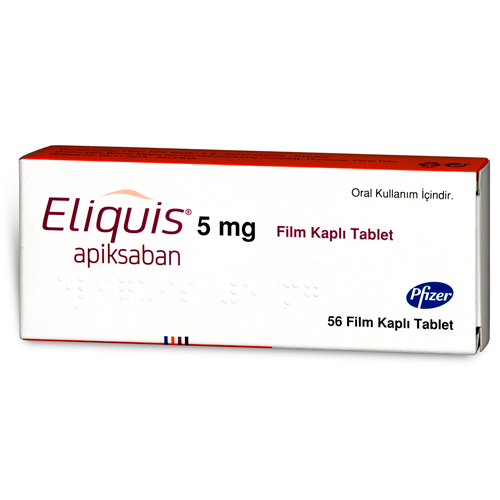
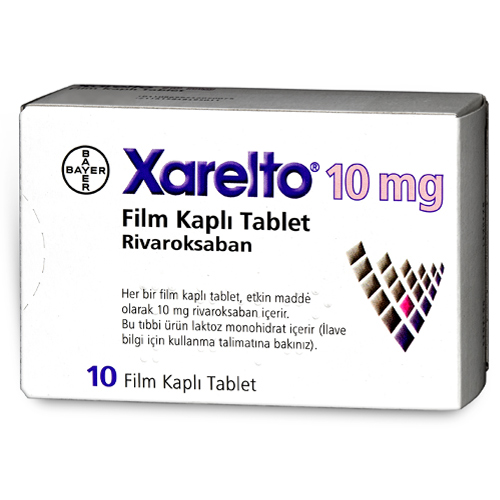
Anti-clotting and anticoagulant medications (antithrombotic) are used to prevent the formation of a blood clot or thrombosis in conditions where it could be life threatening, such as cardiovascular disease, congestive heart failure, atrial fibrillation and reduced blood flow due to immobility.
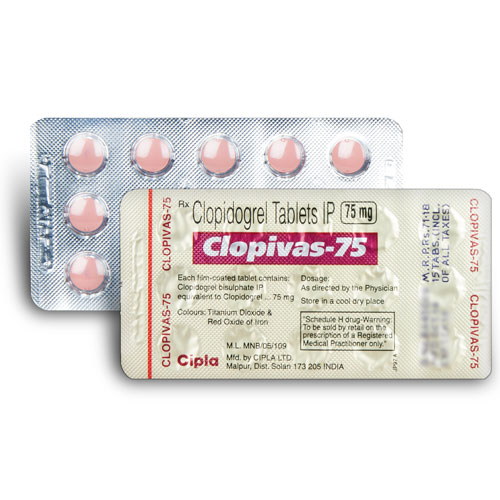
Antiplatelet drugs like clopidogrel work by binding to the ADP receptor on the platelet surface and inhibiting the activation of platelet aggregation.
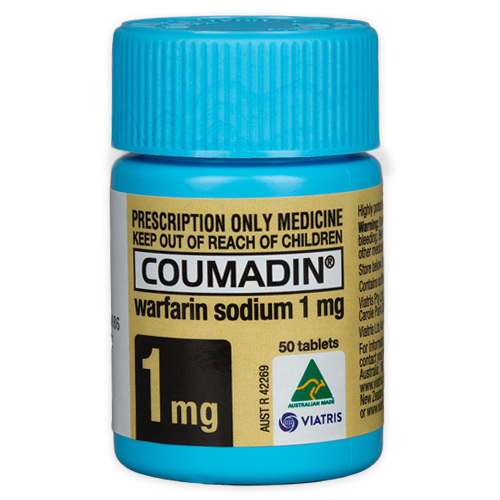
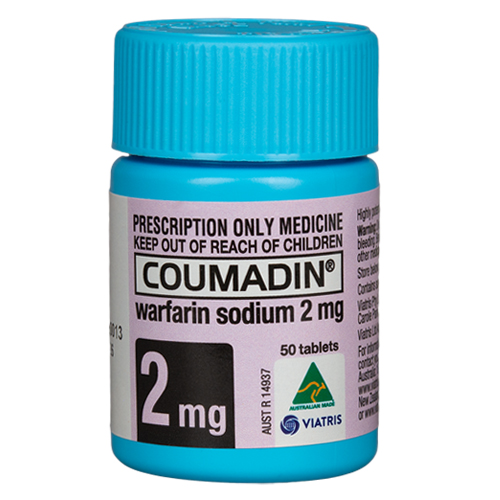
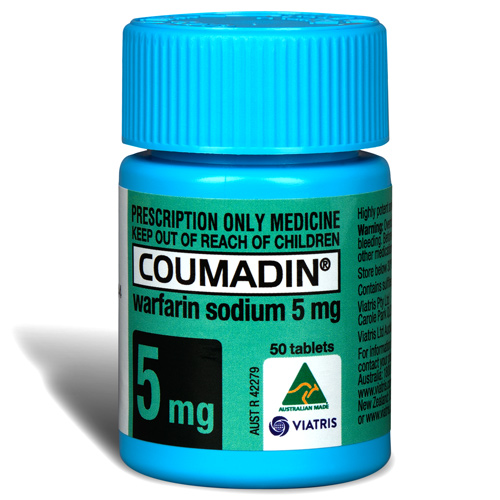
Anticoagulants like warfarin work by inhibiting an enzyme that recycles used vitamin K after it has participated in the coagulation cascade and thereby depletes the supply of vitamin K. This action inhibits the synthesis of Vitamin K dependent coagulation factors, which blocks the coagulation cascade and prevents the final stage of clot formation.