

Your shopping cart is currently empty.
Transgender










What is gender?
Gender is a word that encompasses ways of differentiating male and female or masculine and feminine. However, gender is not an easy word to define, as there are many components to its definition, which generally includes behaviour patterns, activities, social identity and psychological traits that are considered by a society or culture as typically associated with one sex, male or female, as well as biology and genetics.
In 1955 gender was first described in terms of sexual roles by John Money, a doctor specialising in research into the biology and psychology of gender. He also used the term gender identity for the first time in 1966 to describe a person’s subjective sense of their own sex, which may not be the same as their physical gender based on the genitals they were born with.
In 1974 the term gender dysphoria was first used to describe the distress that can be felt by a person who is dissatisfied or discontented with the physical sexual identity they were born with or the sexual role in society that is expected of them and this is also known as gender identity disorder. This therefore, describes people who have a gender identity that does not match their physical gender and includes people described by the categories of transsexual or transgender.Transgender or transsexual
A transgenderist describes a person who lives within their body and is not necessarily male or female, but may incorporate both male and female behaviour and appearance. They usually do not wish to have genital surgery and manage their gender identity by the way they dress and how they present themselves.
A transsexual is someone who has a gender identity that more closely resembles the opposite sex and they often wish to change their physical sex attributes and live completely as the opposite sex. For a transsexual the next step would be genital surgery and hormone therapy to complete the gender reassignment process.Gender reassignment
The term gender reassignment refers to the process whereby the physical sexual characteristics are altered to reflect a person’s gender identity. This process of change from the one gender to another, also known as transition, incorporates medical procedures, hormone replacement therapy and social changes, such as the person’s role and legally changing their name to one that better suits the opposite gender.The genetics of gender
Gender is determined by several factors, including hormones present during foetal development, reinforced behaviour patterns as well as genetics. While genetics usually determines gender, XX being female and XY being male, there are other genetic combinations that introduce shades of grey. Some of these change the physical appearance, such as XXY, which results in male and female genitals and is known as Klinefelder’s syndrome. The genetic makeup XYY results in male genitals but can also cause various antisocial or aggressive behaviours. The genetic makeup XO or Turner’s syndrome results in a female body but behaviour and personality are affected.The role of hormones in sex and gender
The term sex refers to the biological difference between the male and female body. However, gender refers to the expected behavioural and cultural differences within society that is determined by a person’s sex. Without intervention a person’s sex does not change but gender can.
The physical differences between males and females develop in response to steroid hormones and these begin influencing development before birth. All foetuses develop along female lines until testicular hormones initiate male differentiation. Although oestrogen is considered the female hormone, testosterone is also present in females but in lesser amounts and it is the higher levels of testosterone in males that determines the development of male physical changes and also influences brain development, which ultimately influences behaviour.
At puberty female secondary sexual characteristics are induced by oestrogen and progesterone produced by the ovaries and male secondary sexual characteristics are induced by androgens, particularly testosterone and its potent metabolite dihydrotestosterone or DHT produced by the testes.Feminization regime
Gender reassignment hormone therapy for male to female transsexuals is based on suppressing the original male characteristics by blocking male hormones and stimulating development of female secondary sexual characteristics using female hormones. This process is known as a feminizing programme and several hormones are available to help with this process. Removal of body and facial hair are also part of the feminizing process.
The effects of male-to-female hormonal therapy include redistribution of body fat to redefine body shape; breast development, reduction in appearance and coarseness of body hair; reduced musculature in the hands and feet; changes in appearance of the skin and reduced activity of the sebaceous glands.Products for feminisation hormone therapy
Feminizing hormone therapy comprises the following drug regimen:
- Estrogens the female hormone that exists in different forms, the most potent in promoting female characteristics is estradiol. Estrogens can be used for oral, transdermal (patches, creams and gels) and injectable administration.
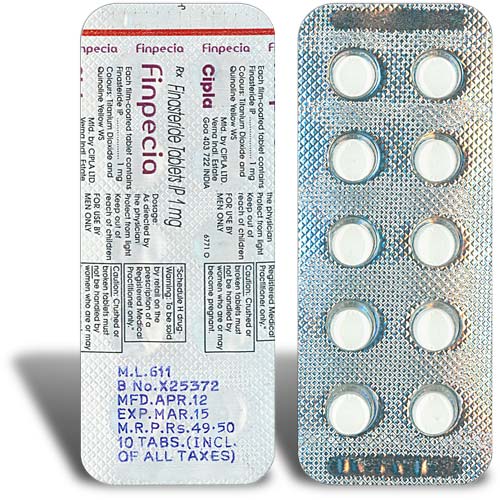
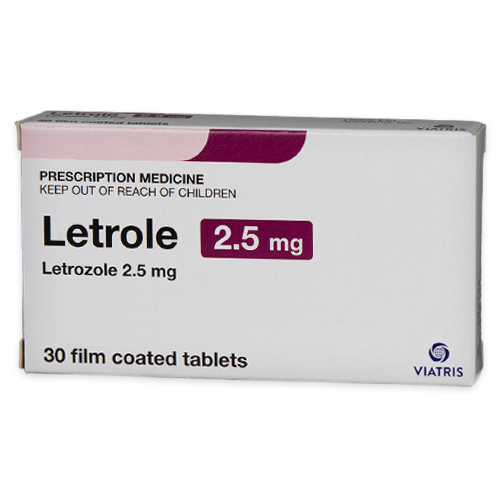
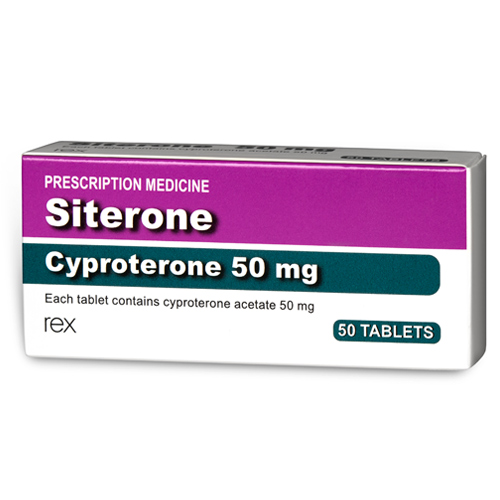
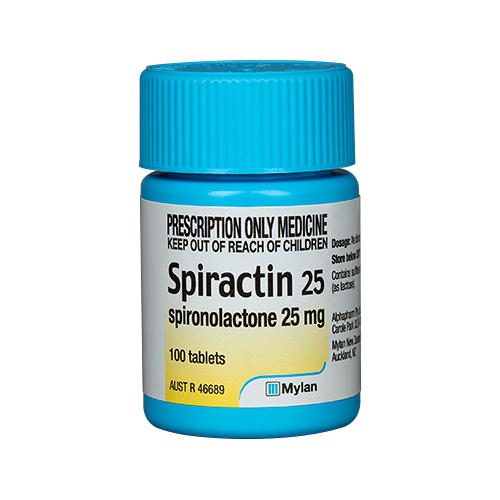
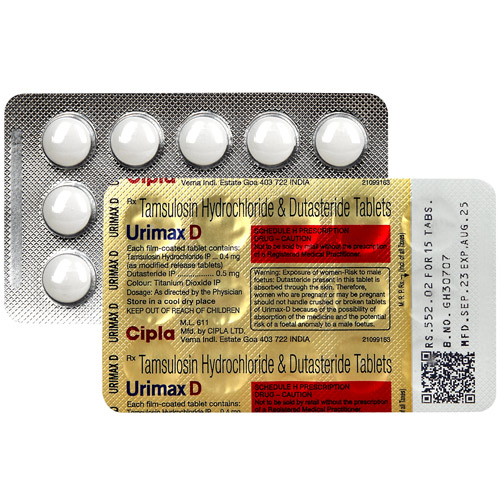
- Anti-androgens reduce the effects of the male hormone testosterone
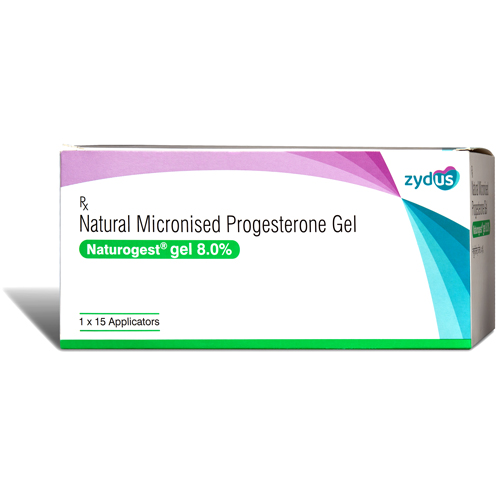
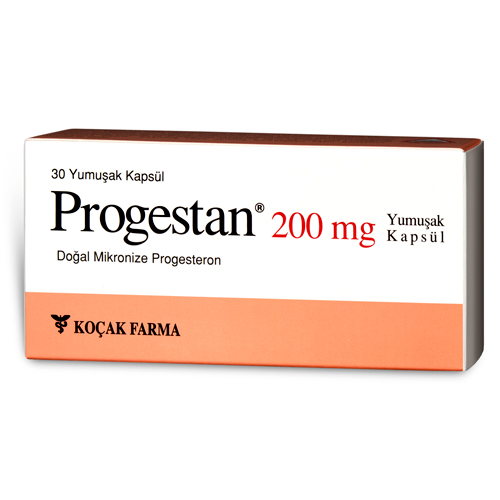
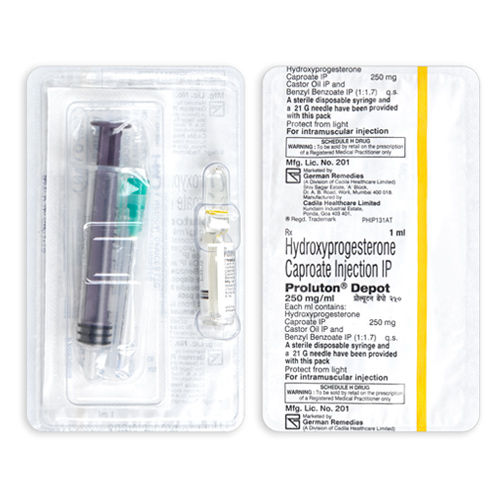
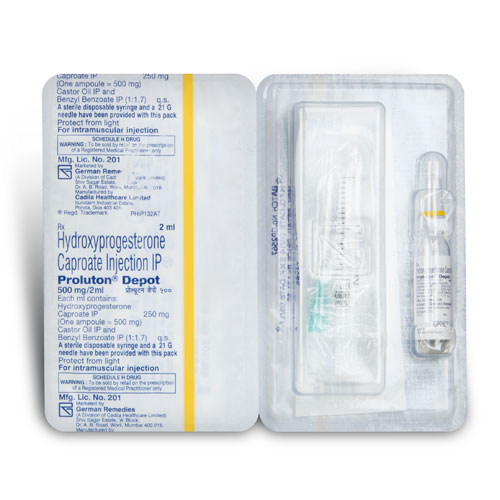
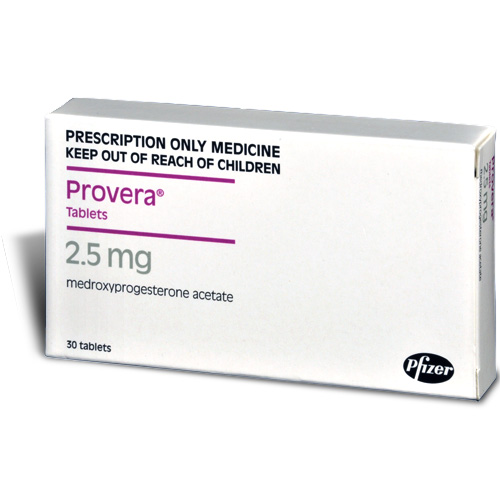
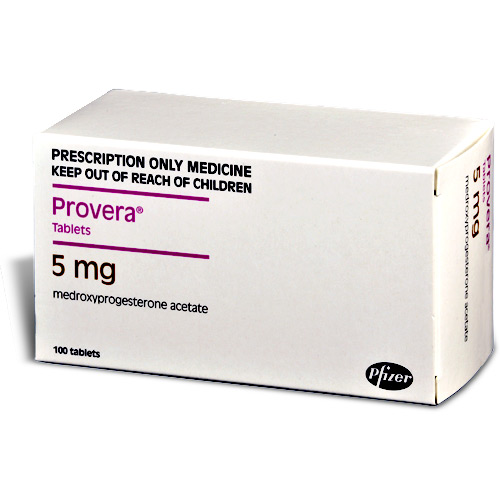
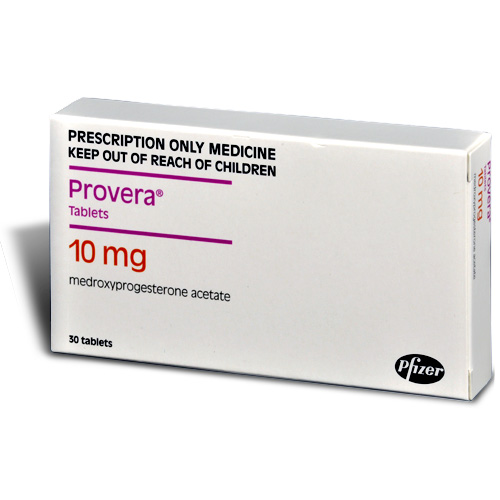
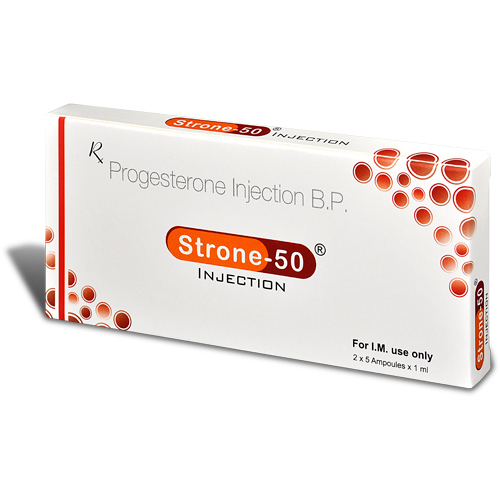
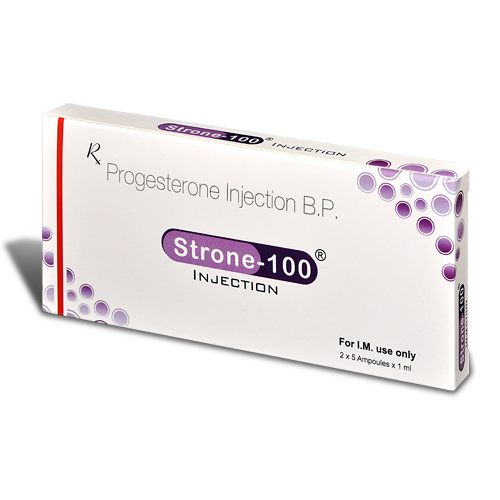
- Progestins, derived from naturally occurring progesterone, is a hormone that is found in both males and females and can help promote the feminisation process.
- Combination estrogen and progesterones, where the progesterone component may help counteract some of the risks of estrogen alone.