

Your shopping cart is currently empty.
Facial Hair Reduction
Hormonal control of hair development
Androgen hormones are responsible for secondary sexual characteristics in men, including facial hair growth. Androgens regulate the hair follicles and at puberty transform them from vellus follicles that produce the tiny almost invisible hairs that cover both male the and female body into the larger terminal follicles, producing pigmented hairs typical of the male facial hair, as well as chest hair and other body hair. Androgens, particularly the active metabolite of testosterone dihydrotestosterone (DHT) also inhibit hair in other parts of the body, such as on the scalp by causing the terminal follicles to regress to vellus follicles, causing male pattern baldness or androgenic alopecia.
Use of anti-androgens as part of a feminising regime will reduce the amount and type facial hair, but may not eliminate it altogether.The hair growth cycle and its regulation
Hair goes through a 3-stage growth cycle. The anagen phase, which is the active growth phase, catagen, where the hair stops growing and shrinks, before being shed during the telogen phase, to be replaced by a new hair.
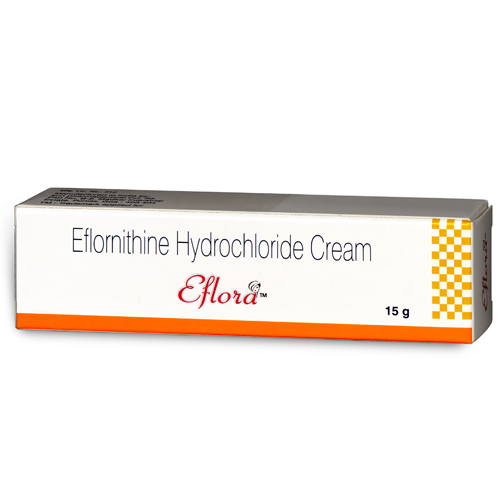
The enzyme ornithine decarboxylase is an important rate limiting enzyme required the biosynthesis of certain proteins required for hair growth and is found in high levels in the hair follicles during the anagen phase of the hair growth cycle. The levels of this enzyme then drop as the hair follicle enters the catagen phase. Ornithine decarboxylase is also important in cell division and cell proliferation and actively growing hairs undergo rapid cell division.