Skip to Main Content

FREE SHIPPING WORLDWIDE ON EVERY ORDER – ETA 10–21 DAYS

Acne Treatments
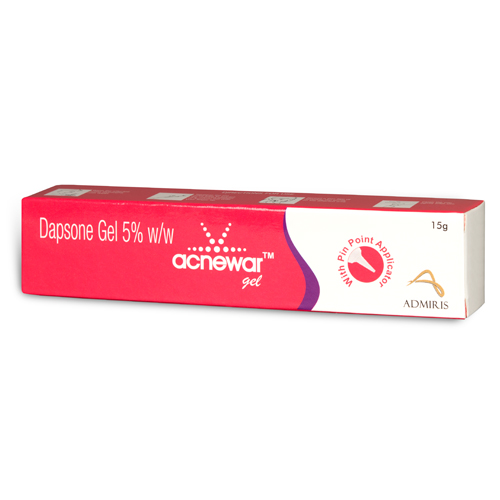
Acnewar (Dapsone 5%) Gel
GenericAcnewar (Dapsone 5%) Gel
Dapsone
Admiris
In stock
$24.90
View Product
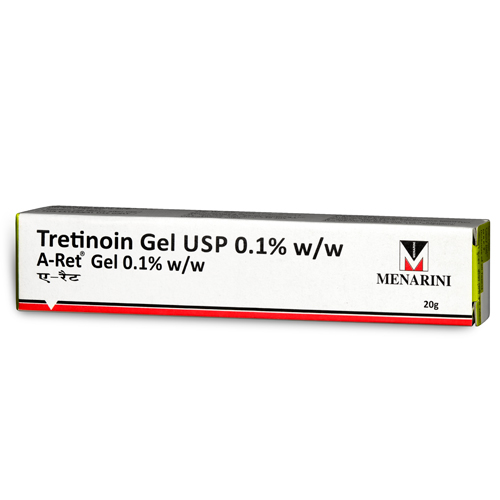
A-Ret (Tretinoin 0.1%) Gel
GenericA-Ret (Tretinoin 0.1%) Gel
Tretinoin
Menarini
In stock
$30.00
View Product
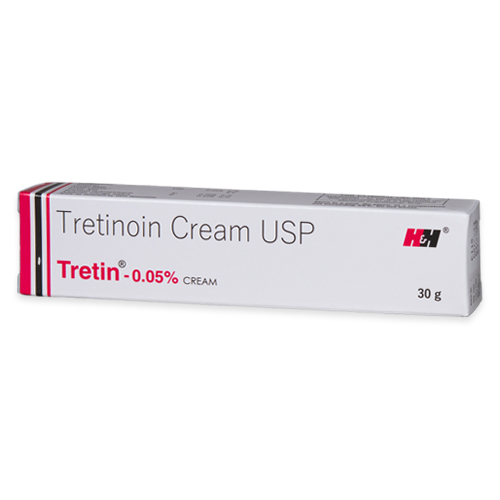
Tretin (Tretinoin 0.05%) Cream 30g/Tube
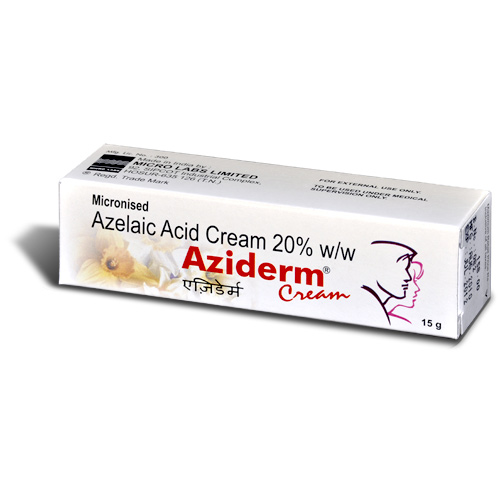
Aziderm Cream 20% (Azelaic Acid) 15gm
GenericAziderm Cream 20% (Azelaic Acid) 15gm
Azelaic Acid
Micro Labs
Out of stock
$23.00
OUT OF STOCK
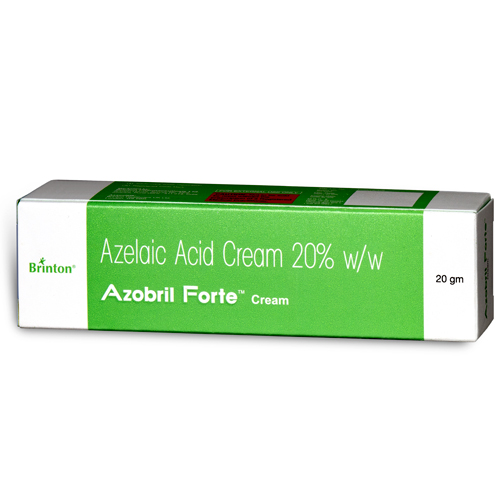
Azobril Forte (Azelaic Acid 20%) Cream
GenericAzobril Forte (Azelaic Acid 20%) Cream
Azelaic Acid
Brinton Pharmaceuticals
In stock
$24.00
View Product
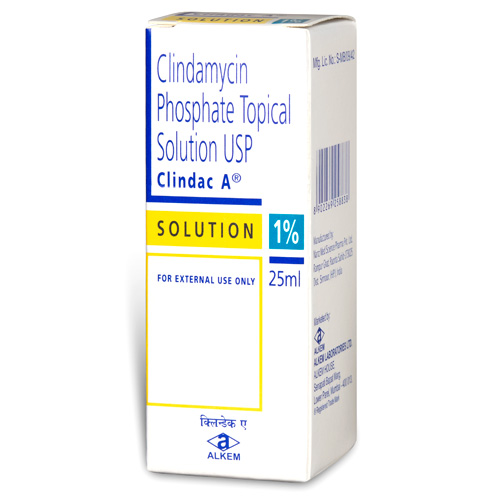
Clindac A (Clindamycin phosphate 1%)
GenericClindac A (Clindamycin phosphate 1%)
Clindamycin phosphate
Alkem
In stock
$24.90
View Product
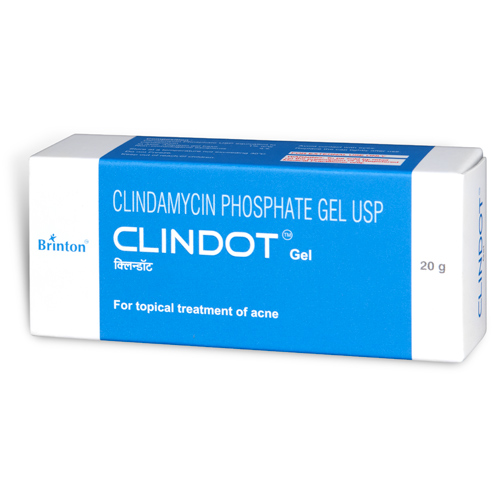
Clindot Gel (Clindamycin)
Clindamycin 1%
Brinton Pharmaceuticals
In stock
$19.50
View Product
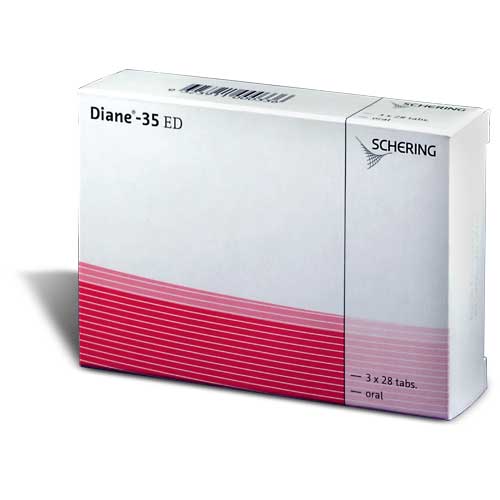
Diane-35 ED
Diane-35 ED
Cyproterone acetate 2mg/ethinyloestradiol 0.035mg
Bayer Schering Pharma
Out of stock
$71.30
OUT OF STOCK
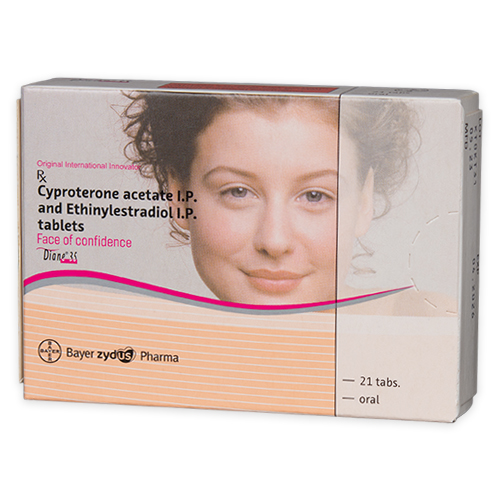
Diane-35 21's
Diane-35 21's
Cyproterone acetate 2mg/ethinyl estradiol 0.035mg
Bayer Schering Pharma
In stock
$56.00
View Product
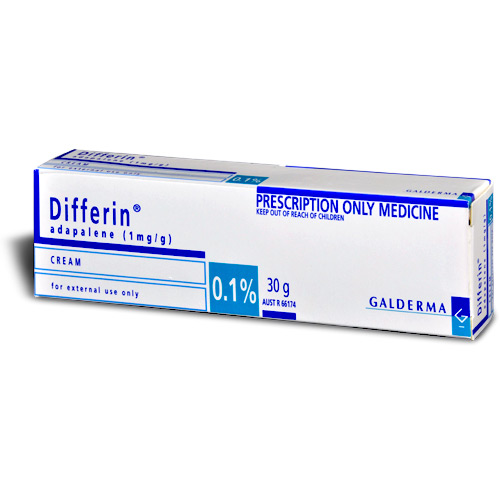
Differin 0.1% Cream (Adapalene)
Adapalene
Galderma
Out of stock
$55.00
OUT OF STOCK
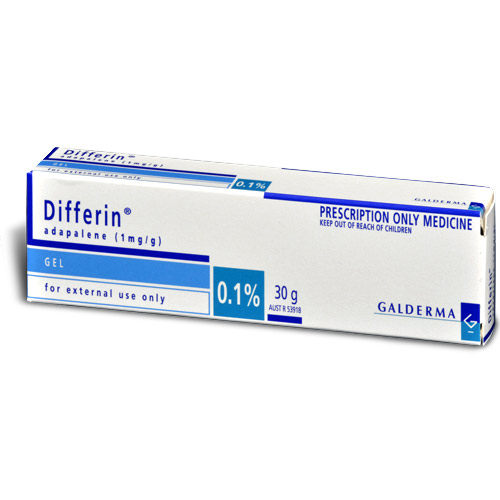
Differin 0.1%  Gel (Adapalene)
Differin 0.1% Gel (Adapalene)
Adapalene 0.1%
Galderma
Out of stock
$55.00
OUT OF STOCK
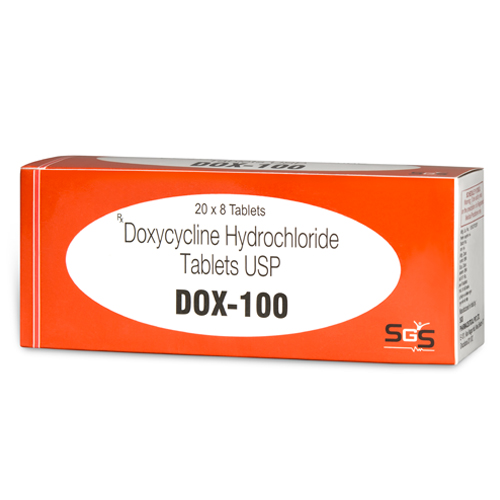
Dox-100 (Doxycycline 100mg)
GenericDox-100 (Doxycycline 100mg)
Doxycycline
SGS
In stock
$55.00
View Product
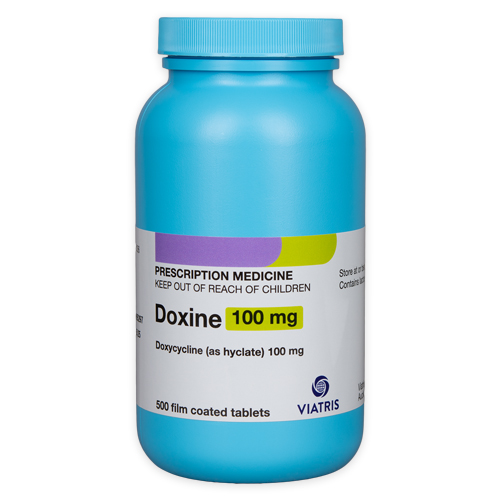
Doxine (Doxycycline hyclate 100mg) Tablets
GenericDoxine (Doxycycline hyclate 100mg) Tablets
Doxycycline hyclate
Mylan (New Zealand)
In stock
$180.00
View Product
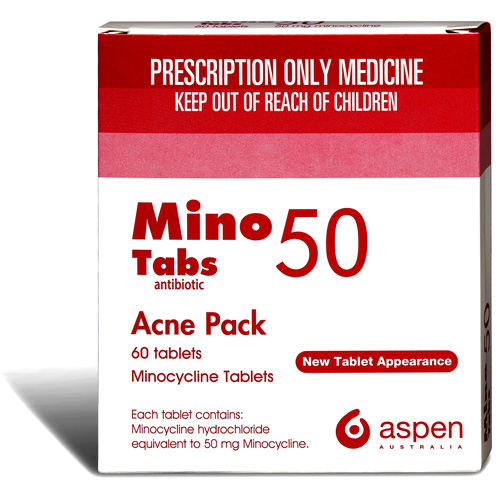
Minocycline 50mg
Minocycline 50mg
Minocycline 50mg
Sigma Pharmaceuticals
In stock
$42.00
View Product
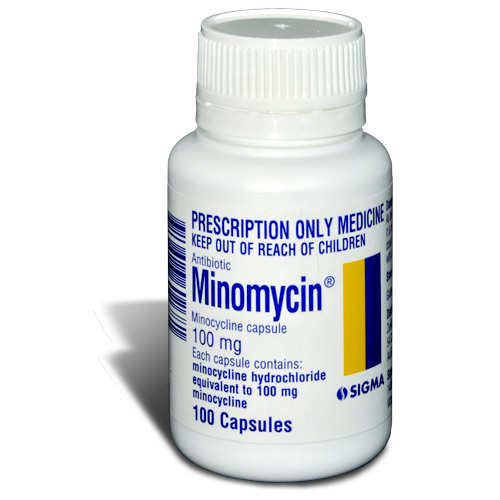
Minomycin 100mg
Minomycin 100mg
Minocycline
Sigma Pharmaceuticals
Out of stock
$135.00
OUT OF STOCK
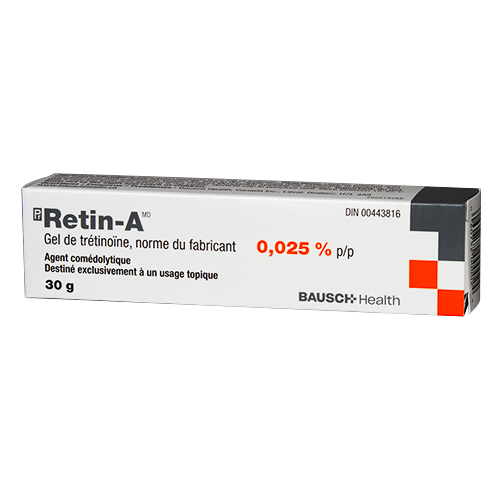
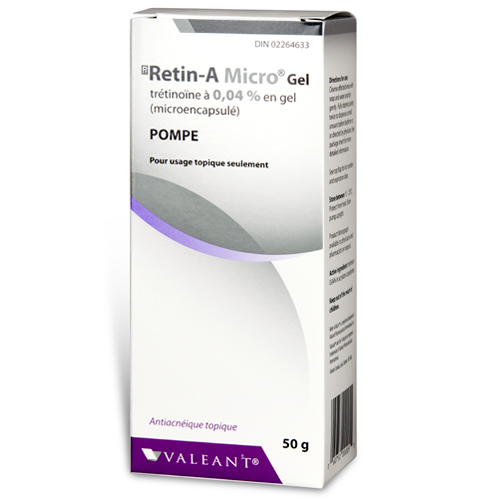
Retin-A 0.025% Gel 30gm
Tretinoin
Valeant
Out of stock
$77.00
OUT OF STOCK
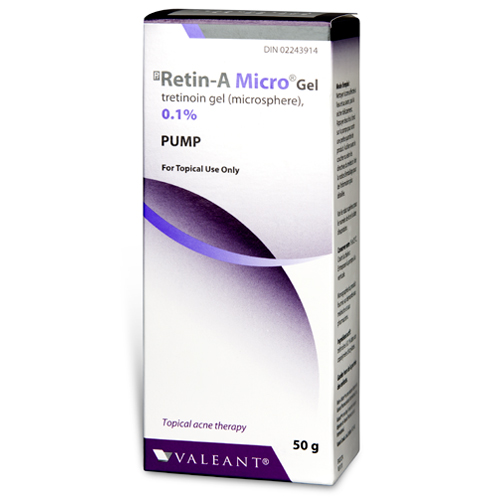
Retin-A 0.1% Micro Gel (Tretinoin) 50g Pump Pack
Tretinoin 0.1%
Valeant
In stock
$450.00
View Product
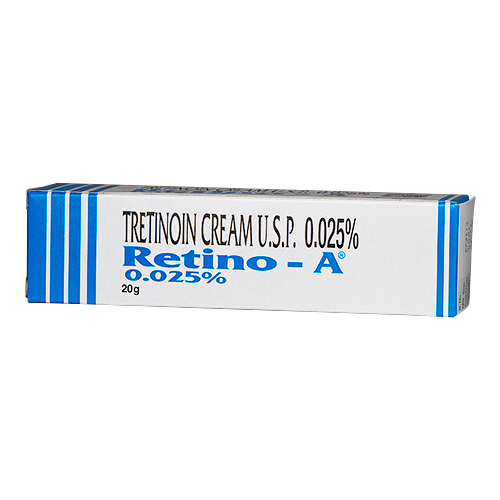
Retino-A (Tretinoin 0.025%) Cream
GenericRetino-A (Tretinoin 0.025%) Cream
Tretinoin
Janssen (India)
Out of stock
$24.00
OUT OF STOCK
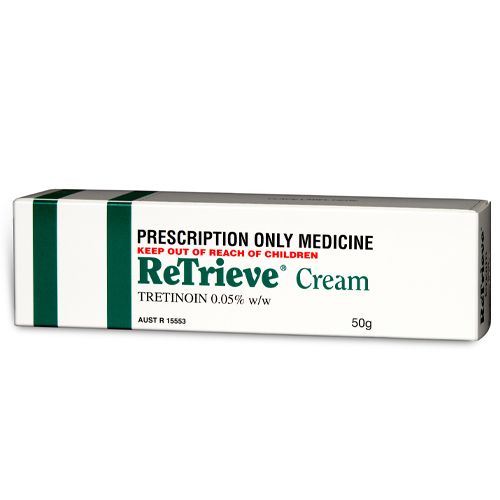
ReTrieve Cream (Tretinoin 0.05%)
Tretinoin 0.05%
iNova Pharmaceuticals
In stock
$60.00
View Product
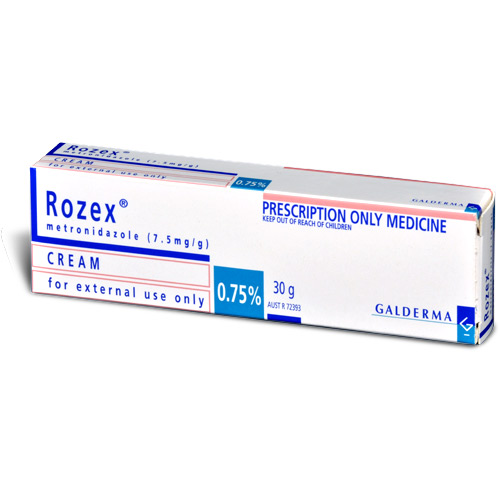
Rozex Cream 0.75% (Metronidazole)
Metronidazole
Galderma
In stock
$115.00
$57.50
View Product
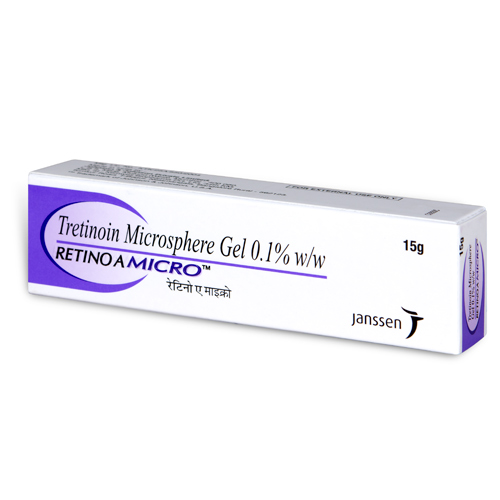
Retino A Micro Gel 0.1% (Tretinoin) 15g
Tretinoin 0.1%
Janssen (India)
Out of stock
$33.00
OUT OF STOCK
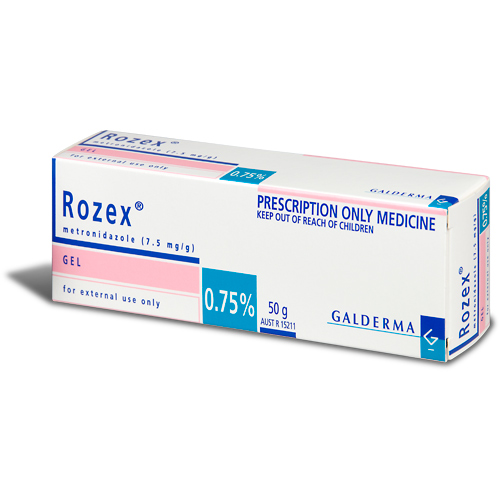
Rozex Gel 0.75% (Metronidazole) 50g
Metronidazole
Galderma
In stock
$135.00
View Product
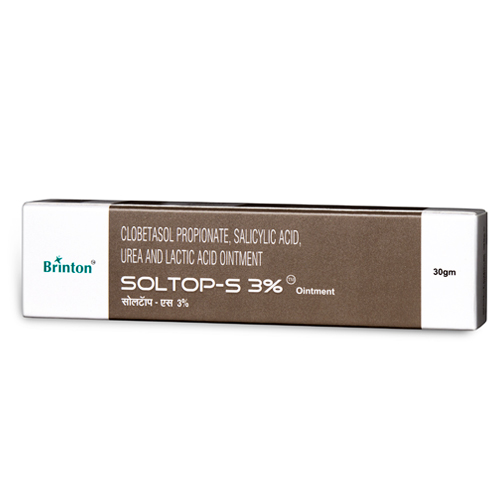
Soltop-S 3% Ointment (Clobetasol & Salicylic Acid)
Clobetasol 0.05% & Salicylic Acid 3%
Brinton Pharmaceuticals
Out of stock
$30.00
OUT OF STOCK

What is acne?

Acne vulgaris is the most common form of acne and can affect the face chest and back. It is often associated with adolescence and puberty when a surge of androgen hormones can over stimulate the sebaceous glands (oil producing glands in hair follicles) to produce too much sebum. This combines with skin cells that are shed from the lining of the hair follicle and become trapped in sebum forming a plug below the surface of the skin and clogging the pores forming comedones. The bacterium Propionibacterium acnes that normally lives in the skin multiplies rapidly in the presence of the extra sebum so that the clogged pores become infected triggering an inflammatory response causing inflammation and this is the start of an acne outbreak. There are several types of acne lesions including, open comedones or blackhead, closed comedones or whiteheads, pimples or papules, spots or pustules. If the lesions are extreme they can form cysts and nodules, which are likely to form scars as the skin heals.

Keratolytic acne treatments

Several of the medications used for treating acne have keratolytic activity. Keratinisation is the hardening processes of the outer skin layer, whereby as new keratinocytes move up from the lower to the upper layers of the epidermis keratin is deposited within the cells; they begin to die and are sloughed off. A keratolytic agent helps soften hardened skin by increasing turnover of keratinocytes, blocking the keratinisation process and promoting the shedding of old hardened skin cells, allowing new skin cells to take their place. This process helps remove excess hardened keratinocytes that block hair follicles leading the formation of acne lesions and this helps unblock the oil ducts allowing the comedomes and acne lesions to dry up and heal; also preventing the outbreak of new comedomes.
Topical keratolytic medications for acne include:
  • azelaic acid, a natural product of a yeast that lives on normal skin, with antibacterial and anti-inflammatory activity.

  • tretinoin and iso tretinoin are active metabolite of Vitamin A known as retinoids that stimulates skin cell proliferation, promoting growth of new skin cells to speed up skin cell turnover. They are available as creams and gels; tretinoin is also available is a gel containing microspheres that increases drug delivery direct into the hair follicles. These retinoids also block the activity of inflammatory cells like leukocytes and the production of inflammatory chemicals, which inhibits the inflammatory reaction. Tazarotene is also a retinoid and is a pro-drug of Vitamin A.

  • adapalene, is a retinoid-like compound with similar activity to tretinoin suitable for topical treatment of mild acne, but is more stable and more fat soluble and becomes trapped in the hair follicles.

  • benzoyl peroxide, an antiseptic and oxidising agent, with anti-inflammatory properties.

Antibacterial treatments

If acne lesions do not clear up using keratolytic medications and become infected, antibacterial treatments may be needed.
  • Topical antibiotics like clindamycin and erythromycin are used for mild to moderate acne. They are applied as a cream or gel that absorbs rapidly into the skin and penetrates the comedomes where they act directly on the Propionibacterium acnes bacteria, inhibiting bacterial protein synthesis, which kills the bacteria. They also reduce the amount of fatty acids in the skin that the bacteria live on.

  • Oral antibiotics are used to treat more severe cases of infected acne, including cystic and pustular types of acne lesions. Doxycycline and minocycline both broad-spectrum antibiotics belonging to the tetracycline group of antibiotics and inhibit protein synthesis in susceptible bacteria, including Propionibacterium acnes.

  • Other topical acne medications also have antibacterial activity. These include azelaic acid and benzoyl peroxide that penetrate the skin and reduce growth of the Propionibacterium acnes bacteria, which helps prevent the spread of infection. They also inhibit the production of acne-promoting fatty acid, which helps unblock the pores and promotes healing.

Anti-inflammatory treatments for acne

Topical retinoids like tretinoin, isotretinoin and tazarotene block the activity of inflammatory cells like leukocytes and the production of inflammatory chemicals, like prosyaglandins and leukotrienes. Adapalene also blocks formation of inflammatory chemicals. These actions inhibit inflammatory reactions and help reduce inflammation in acne lesions.

Anti-androgen hormonal therapy

Although androgens like testosterone are primarily male hormones, women also produce smaller amounts. The hormonal surge associated with puberty results in elevated levels of androgens and this stimulates overproduction of sebum, which is one of the main causes of adolescent acne. Overproduction of or increased sensitivity to androgens can also occur in adult women, a condition known as androgenisation, which can also lead to an outbreak of acne. Anti-androgen hormonal therapy can be used in women to counteract the actions of androgen to reduce sebum production and this reduces formation of acne comedomes. The anti-androgen cyproterone acetate blocks androgen production of by the ovaries and also blocks androgen stimulation of sebum, by binding to the androgen receptors in the sebaceous glands of hair follicles. Ethinyloestradiol, a synthetic oestrogen is used in combination with cyproterone acetate to amplify its anti-androgen effect by further reducing the amount of androgens produced in the ovaries.

Rosacea

Rosacea is an inflammatory condition of the face and nose, which mostly affects people with fair skin who flush easily and that used to be called acne rosacea, but is a different condition. Rosacea is thought to be caused by overactive blood vessels in the face with inflammation triggered by several factors like excess alcohol, smoking, spicy food, exposure to sunlight. This causes, papules and pustules but no comedomes, as is common in acne; also reddened scaling skin with swelling of affected areas. Metronidazole is an antibacterial and antiprotozoal (single cell organism) activity that is used to treat rosacea, although the mechanism is not known but is probably due to its anti-inflammatory activity.
Inhouse Chemist

Inhouse Chemist is a long-established access business built on decades of service and customer trust. We focus on practical solutions that reduce friction between need and access, helping customers navigate complex pharmaceutical systems.

Loading...