

Your shopping cart is currently empty.
Miscellaneous
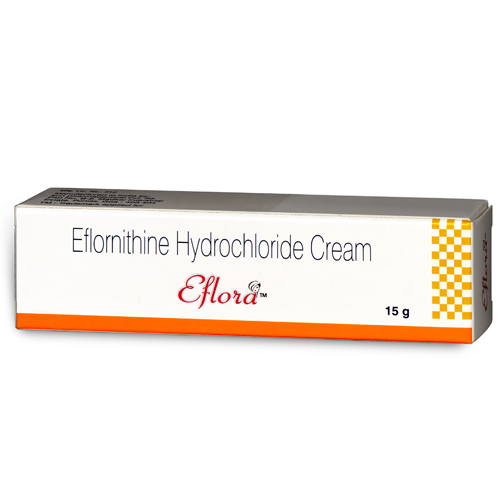
Warts
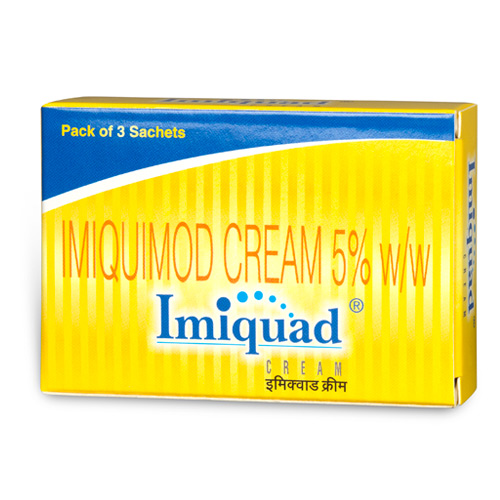
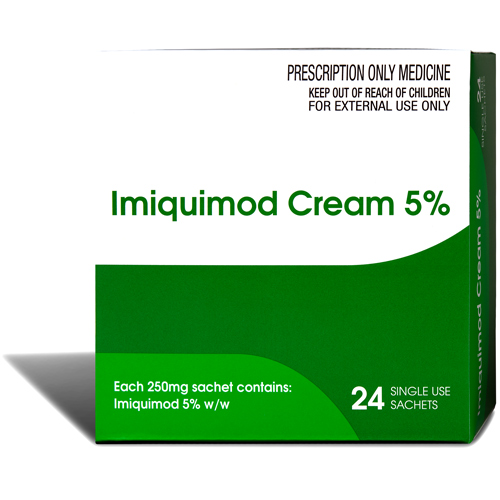
Warts are formed as a result of non-cancerous overgrowth of outer layers of skin around skin cells infected with Human Papillomavirus (HPV). Genital warts are a sexually transmitted condition with symptoms including pain, bleeding and itching. Common skin warts usually form as raised bumps on the hands and feet, also elbows and knees. Warts on the underside of the foot are known as verrucae and can be painful as they grow into the foot.A topical treatment for genital and perianal warts is a cream containing Imiquimod, which acts as an immunomodifier by stimulating immune cells in the outer skin layers to produce chemicals called cytokines involved in fighting invasion by pathogens like HPV.
Keratoses
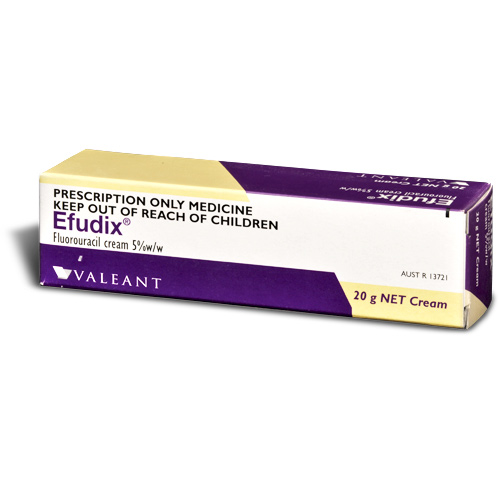
Exposure to ultraviolet radiation from the sun can damage the skin and cause various skin abnormalities, including lesions called actinic keratosis (also known as solar keratosis). These lesions are pre-malignant and if untreated can develop into squamous cell carcinoma (SCC), which is a non-melanoma type of malignant skin cancer that develops from the upper skin layer or epidermis but then grows down into the deeper skin layers of the dermis. Actinic keratosis form due to overproduction of keratin, which is a fibrous structural protein in the outer skin layers (epidermis) and are characterised by thick raised scaly patches of skin.Basal cell carcinoma (BCC) is another lesion caused by UV exposure and is the most common form of skin cancer; it is malignant (invasive) but not usually harmful. BCC develops in the basal layer of the epidermis and is found mainly on the head, neck and other exposed areas in skin of fair-skinned people. It grows slowly and varies in appearance from small translucent nodules to larger brown, reddened or thickened patches of skin and can form ulcers and bleed easily.
Superficial skin lesions can be treated using a cream containing fluorouracil, that works by blocking the use of another metabolite used in a normal metabolic process, in this case the incorporation of the nucleotides into DNA and RNA, which inhibits cell growth and eventually leads to cell death, particularly of rapidly growing cancerous cells.
Another topical treatment is a cream containing Imiquimod, which acts as an immunomodifier and stimulates an inflammatory reaction that helps remove the malignant and pre-malignant cells. The skin then settles down and heals.