

Your shopping cart is currently empty.
Pain Management
Acute and chronic pain
Pain is an unpleasant sensation but is also natural warning sign of an injury, illness or potential danger to the body. Pain can be experienced in many different ways and is due to a wide variety of causes.There are two general classifications of pain. Acute pain starts rapidly is local and is the direct response to a specific injury or trauma, such as a cut finger, broken bone, sprain, following surgery or an illness such as a bacterial infection. Acute pain resolves quickly and lasts usually for as long as the cause of the pain exists or until the body has healed from the wound. Some types of pain develop gradually, often increasing in severity and if the pain persists more than 6 months or extends long after the original damage has healed, this is referred to as chronic pain. The causes of chronic pain are also different, being related to a progressive disorder such as arthritis or due to nerve damage (neuropathy).
Types of pain
Nociception is the type of pain that is mediated by specific pain receptors called nociceptors. These receptors are stimulated by changes in temperature, mechanical forces or chemicals that could cause damage to the body and send messages to the brain that are processed and interpreted as pain. Examples of nociceptive pain include burns, cuts, fractures and inflammation.Nerve pain works in a different way and is caused by damage to or malfunction of the nervous system. Nerve pain may be triggered by an injury but persists after the injury has healed due to sensitisation or malfunction of the nervous system and pain can be stimulated by a slight touch, without any apparent injury. The pain felt is very different, being described as electric shocks, stabbing or burning pain, in contrast to nociceptive pain, which is described as aching or throbbing pain, ranging from mild to severe. Examples of nerve pain include neuralgia and phantom limb pain.
Some types of pain are due to a combination of mechanism, for example migraine headache.
Medications for pain relief
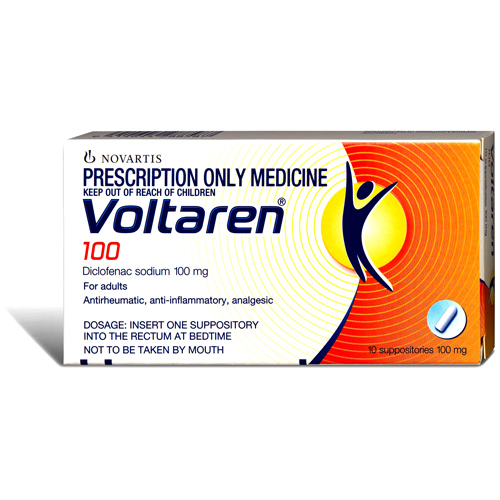
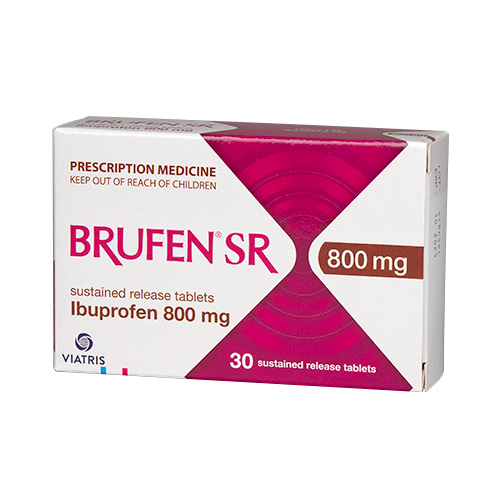
Pain medications are most effective when they target the cause of the pain and in general acute pain is more effectively treated than chronic pain, which is often difficult to treat. The pain medications available in our pain section include:- Nonsteroidal anti-inflammatory drugs (NSAID) used to relieve the pain of inflammation, which is the cause of pain in many conditions including acute injury like a muscle sprain and chronic conditions like arthritis.
- Migraine medications that are specific for painful migraine and target the immediate cause, which is thought to be blood vessel dilation in the brain.
- Muscle relaxants help relieve painful muscle spasm that can be caused by a variety of injuries and conditions.
- Anti-gout medications help relieve the pain caused by uric acid crystal deposits.
- Topical corticosteroid combined with a topical anaesthetic is used to treat Haemorrhoids.
- Anti-convulsants, antidepressants and muscle relaxants used to treat for nerve pain.