

Your shopping cart is currently empty.
Anti-Inflammatory

Inflammation and prostaglandins
Inflammation is a normal reaction to protect the body from harmful pathogens or irritants, such as chemicals, and to promote healing of damaged tissues. It is a complex process of cellular interactions of the immune system that is mediated by chemicals produced at the site of tissue damage, infection or trauma.The process of inflammation includes the widening and increased permeability of small blood vessels, exudation of fluid into and migration of immune cells like macrophages and neutrophils into the tissues where damage, infection or irritation has occurred. The fluid causes swelling and the cells produce inflammatory chemicals like prostaglandins, interleukins and leukotrienes. These chemicals attract more inflammatory cells to help with wound healing and disposing of harmful pathogens but they also magnify the inflammatory response. In doing their job, some of these inflammatory mediators can also cause pain, swelling, fever and redness. If the inflammatory process continues beyond protecting and healing, it becomes chronic and can end up damaging normal tissues.
Inflammatory conditions
Inflammation is the cause of pain in a wide range of chronic and acute conditions, including:- Inflammatory joint diseases like, rheumatoid arthritis an autoimmune disease, where the lining of the joint (synovium) becomes inflamed and the bone becomes eroded; osteoarthritis, a degenerative disease of the joints caused by wear and tear where the cartilage around the bone is worn away, most commonly in the hands, feet, hips and spine; ankylosing spondylitis, an autoimmune inflammatory disease that affects joints in the spine and pelvis and can cause fusion of the spine.
- Soft tissue injuries, such as sprains and strains that are due to trauma to the tendons, ligaments, muscles or joints.
- Soft tissue inflammation of synovial tissue that lines the joint surfaces and cavities, including bursae (fluid-filled sac between bones and tendons), tendons and ligaments surrounding joints.
- Menstrual pain (dysmenorrhea).
- Post-operative pain following surgery.
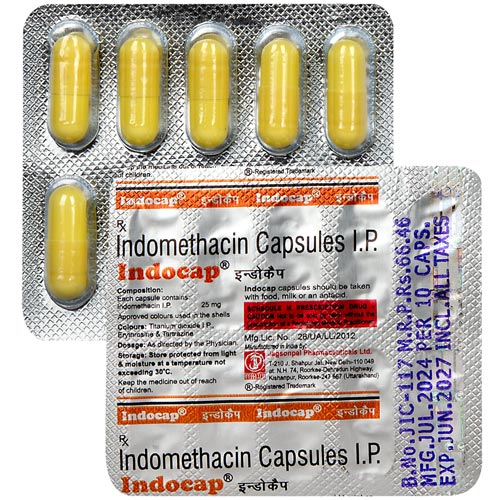
Nonsteroidal anti-inflammatory drugs (NSAID)
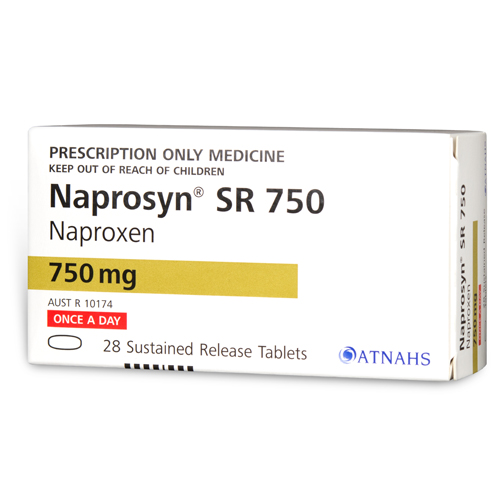
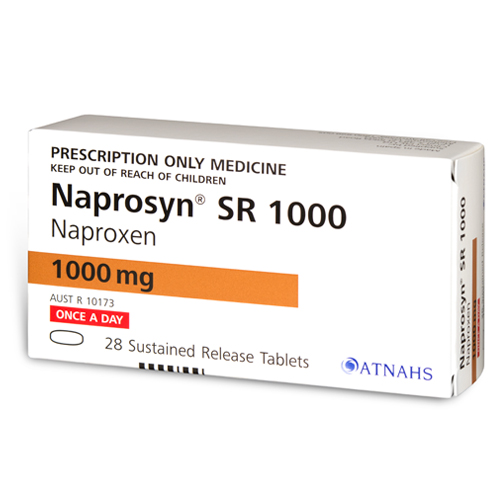
Nonsteroidal anti-inflammatory drugs (NSAID) inhibit cyclooxygenase (COX), an enzyme involved in the synthesis of prostaglandins like PGE2, which have important functions throughout the body but are also potent inflammatory mediators and cause pain, swelling and other symptoms of inflammation. They are called nonsteroidal as corticosteroid drugs are also used to treat inflammation and these target a different enzyme in the pathway of prostaglandin synthesis.There are two known COX enzymes, COX-1, COX-2 and there is also a variant of COX-1, known as COX-3, which is found mainly in the brain. COX-1 is present in most cells and plays an important role in many normal cell functions, including aggregation of blood platelets, which controls bleeding; protection of the stomach lining or mucosa by promoting cell growth; also in maintaining normal kidney function by regulating blood flow. COX-2 is only produced by inflammatory cells, and is induced during the inflammatory process, although it is also found in very small amounts in some tissues.
NSAID medications
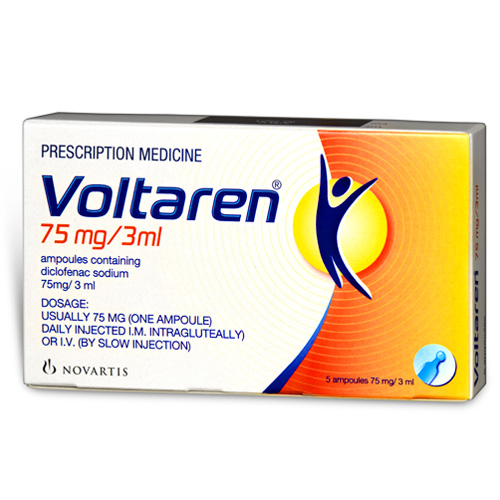
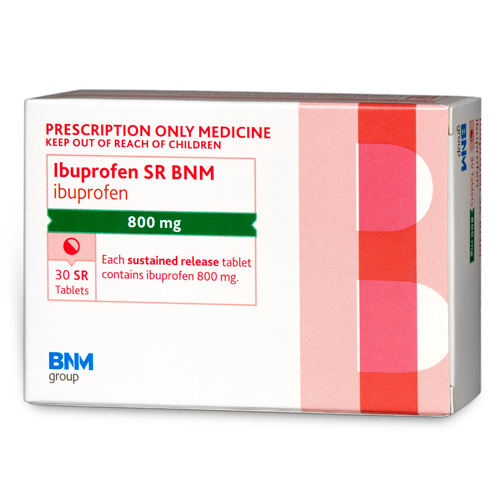
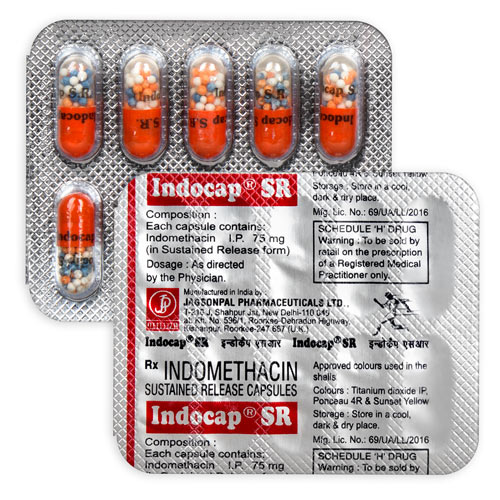
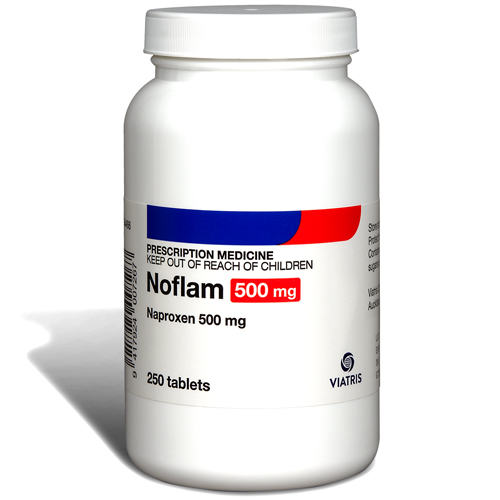
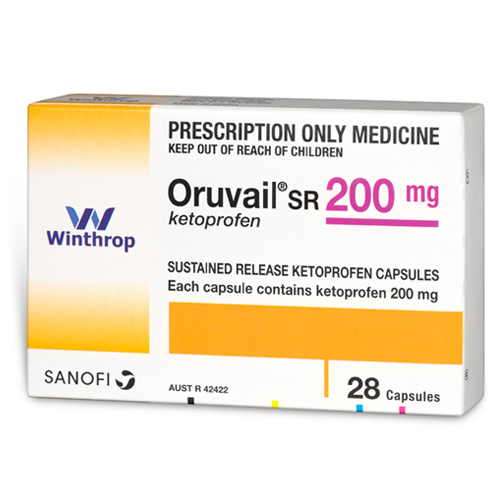
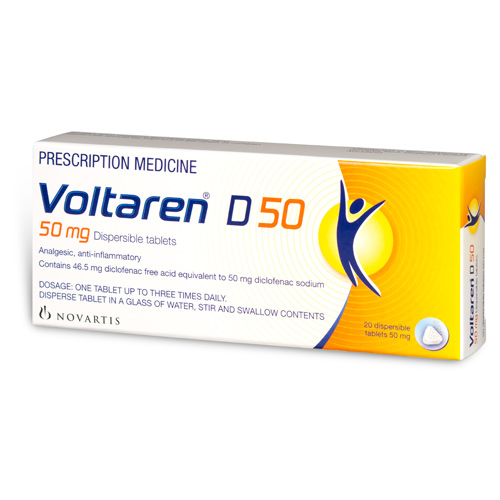
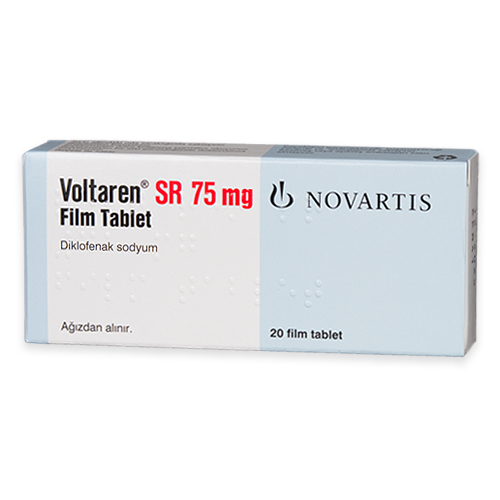
NSAID medications include:- Ibuprofen and diclofenac that inhibit both COX-1 and COX-2, and is the cause of the more serious side effects of non-specific COX inhibitors. These include gastric bleeding and ulcers due to the inhibition of prostaglandins that are protective of the gastric mucosa and have vasodilator (cause widening of blood vessels) action which helps maintain normal blood flow. Kidney damage is also a potentially serious side effect particularly in those with impaired kidney function and again this is due to the inhibition of protective prostaglandin production by blocking COX-1.
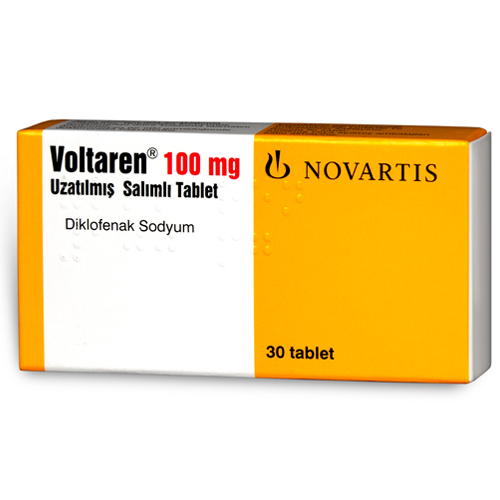
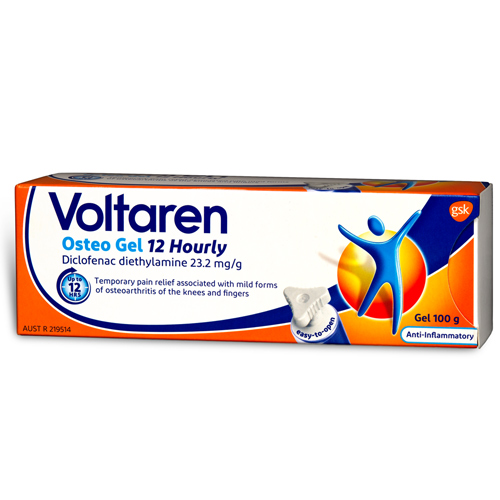
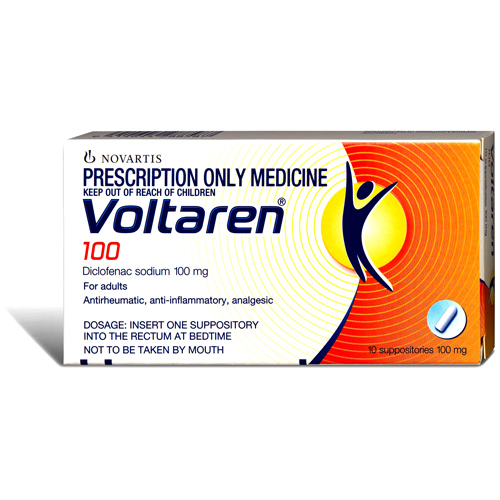
- Diclofenac that inhibits primarily COX-2 but also has some inhibitory effect on COX-1 and is therefore more specific as an anti-inflammatory.
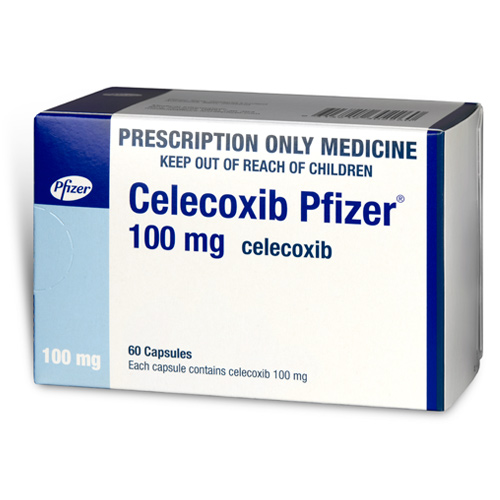
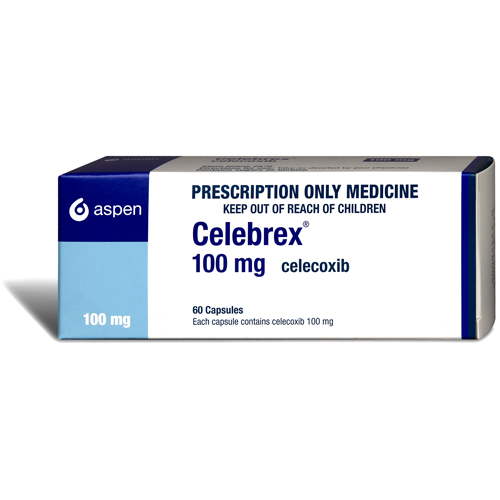
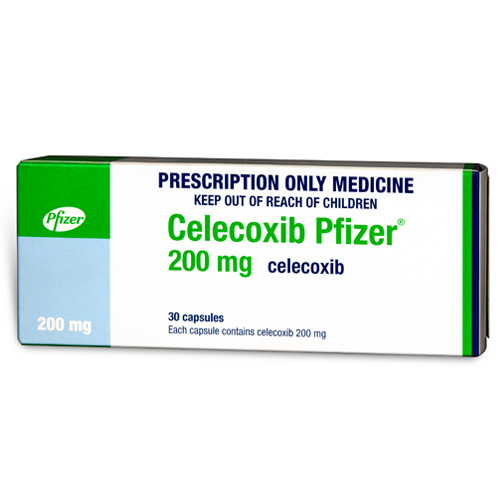
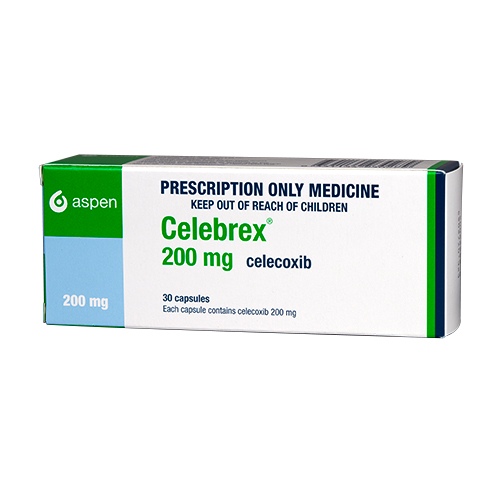
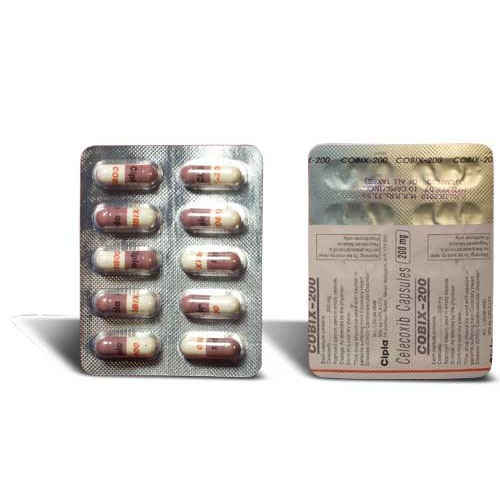
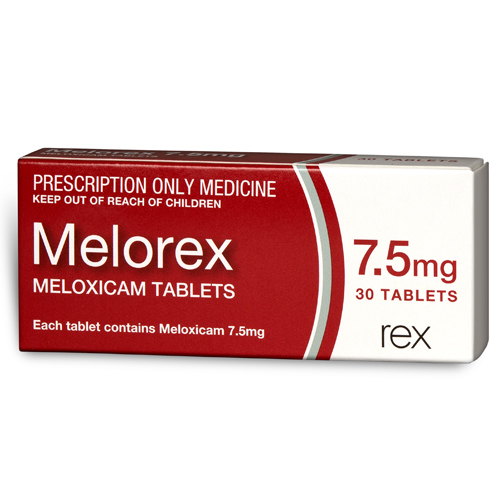
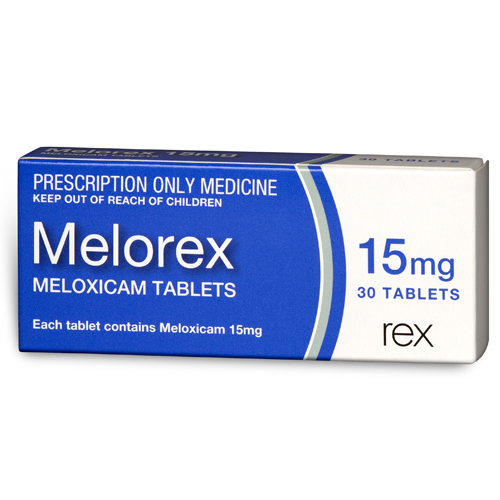
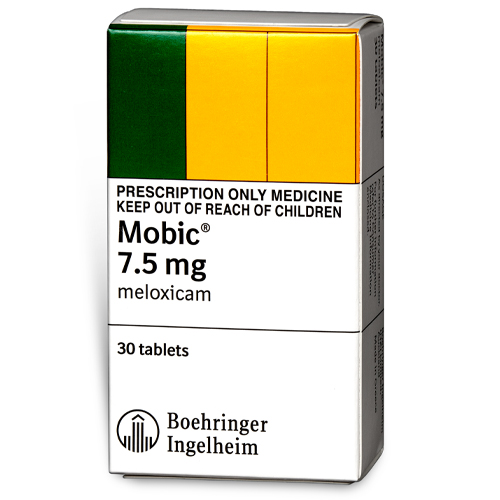
- Meloxicam and celecoxib that are specific COX-2 inhibitors and have no inhibitory action against COX-1, which makes them more effective for pain and inflammation, without the gastrointestinal or kidney side effects associated with COX-1 inhibition.