

Your shopping cart is currently empty.
Eyes
Types of eye infection
Eye infections are usually caused by bacteria, but fungi and viruses can also be a cause of eye infections, and these do not respond to antibiotics. Therefore, it is important to know the cause of your eye infection so that you use the correct treatment. Pain and inflammation are common symptoms of all eye infections, and some treatments also contain anti-inflammatory medications.
Conjunctivitis is the most common eye infection and is known as pink eye. It is infection and inflammation of the conjunctiva, which is the thin membrane lining the eyelid and the visible part of the eye. Blepharitis is another common eye infection, where the eyelid becomes infected and swollen. A stye is a red pimple or small lump on the eyelid caused by an infection in the sebaceous gland (oil gland) at the base of an eyelash hair follicle. Keratitis is an infection of the cornea (the clear area at the front of the eye over the lens and pupil), which is often caused by a scratch or an injury.
Common symptoms of most eye infections include redness, pain, swelling, irritation, a sensation of having something in the eye, watery eyes, or sticky discharge.
Eye infection treatments
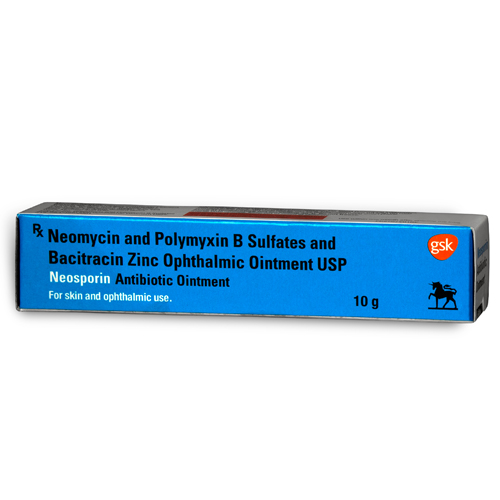
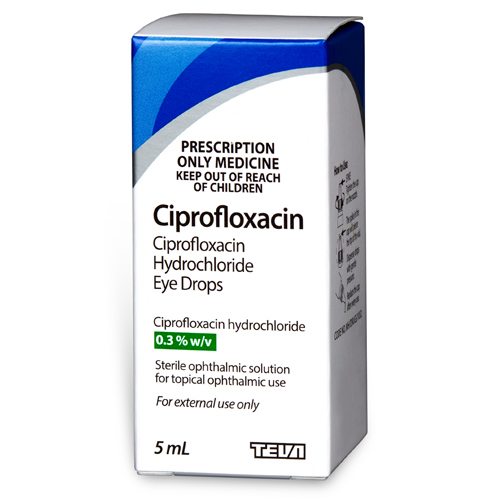
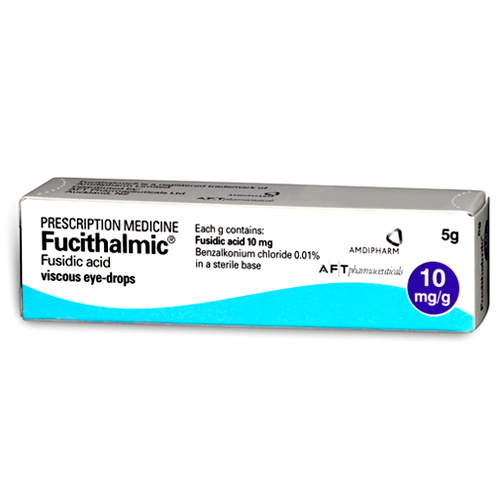
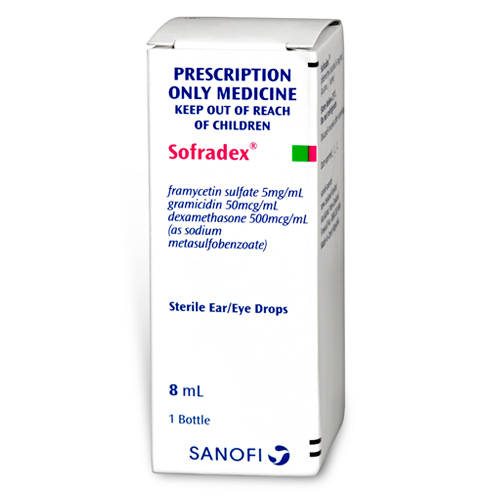
Medications for treating eye infections include eye drops and eye ointments. These are topical medications that can be applied directly into the eye. The type of medication you use depends on the infection and symptoms you are being treated for and may contain a combination of medicines. Some antibiotics in eye drops and ointments are particularly suitable for topical use, for example, Fusidic acid. Some eye treatments contain a mixture of antibiotics to ensure a broad spectrum of bacteria is targeted. A combination of an antibiotic with a corticosteroid is an effective treatment for an eye infection that has become inflamed.