

Your shopping cart is currently empty.
Nerve Pain Treatments



What is nerve pain
Nerve pain or neuropathic pain is caused by damage to or malfunction of the peripheral or central nervous system. The initial trigger may be an injury such as loss of a limb; exposure of nerves to chemotherapy; inflammation of a nerve due to infection, sensitisation of a nerve following injury, such as disc damage; post-herpetic neuralgia (shingles) caused by nerve damage, where virus travels along the nerve and causes sensitisation, nerve entrapment as in carpel tunnel syndrome or strangulation by scar tissue. Nerve pain is usually chronic and persists long after the initial injury has healed. The pain becomes a central nervous system problem and can be stimulated without any apparent injury, by sub-threshold pain stimuli or just by increased perception. The pain felt is described as electric shocks, stabbing or burning pain.Treatments for nerve pain
Treatments for nerve pain are based on the understanding that this type of pain is due to loss of normal control within the central nervous system in a way that is comparable to epilepsy. This is why medications that interact directly with the brain are often used as first line therapy, including anticonvulsants; also muscle relaxants and antidepressants are used in some cases.Anti-convulsants
Anticonvulsant drugs are used to treat nerve pain because they help control the bursts of electrical activity in the brain that cause nerve pain. They work by preventing the repetitive firing of nerve messages (electrical and chemical) acting through different mechanisms, including; blocking sodium channels that are involved in setting up a nerve signal, blocking calcium channels that respond to a nerve signal and trigger the release of neurotransmitters, adjusting the balance between inhibitory and excitatory neurotransmitters, or a combination of these mechanisms.For the brain to function normally it is important to have a balance between excitatory and inhibitory neurotransmitters. Glutamate is the major excitatory neurotransmitter and interacts with receptors that have excitatory effects, which means that they increase the probability that the target cell will set up an action potential and trigger a nerve signal. Gamma-aminobutyric acid (GABA) is the major inhibitory neurotransmitter and interacts with receptors that have inhibitory effects by failing to trigger a nerve signal and this has a calming effect on nerve cells. Anti-convulsants that are used for nerve pain include:
- Gabapentin, a GABA analogue that is thought to control neurotransmission via voltage-gated calcium channels, which reduces the propagation of excitatory nerve transmissions and calms excitatory nerve cells, reducing nerve pain intensity.
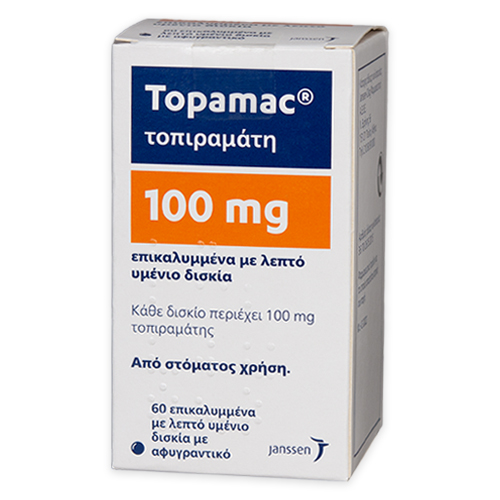
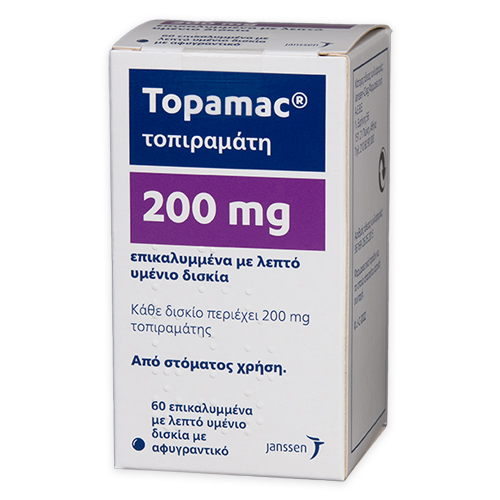
- Carbamazepine and topiramate block sodium channels in nerve cell membranes that control the flow of sodium ions into the nerve cell and triggers an electrical transmission. This reduces the neurone’s ability to send out continuous signals reducing nerve pain intensity.
- Sodium valproate that works by increasing the activity of the inhibitory neurotransmitter GABA; also by preventing the reuptake of GABA by the pre-synaptic nerve cell Sodium valproate acts as a nerve cell membrane stabiliser by blocking voltage-dependent sodium channels.