Depression is thought to be related to an imbalance of neurotransmitters (chemicals that allows nerve cells to communicate) in the brain, one of which is dopamine, the same neurotransmitter stimulated by nicotine that causes smoking addiction. Reduced levels of dopamine may also be involved in the addiction process and may contribute to withdrawal symptoms.
Anti-addictive medication for smoking cessation
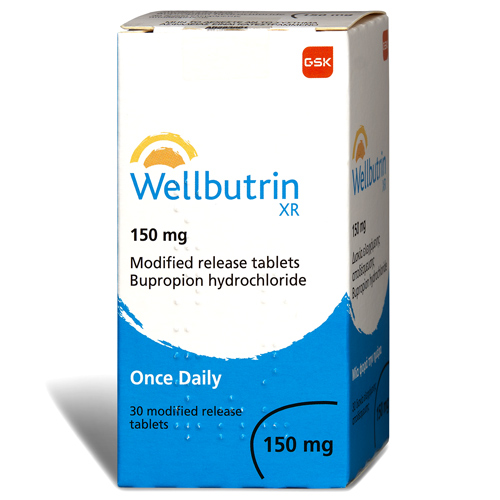
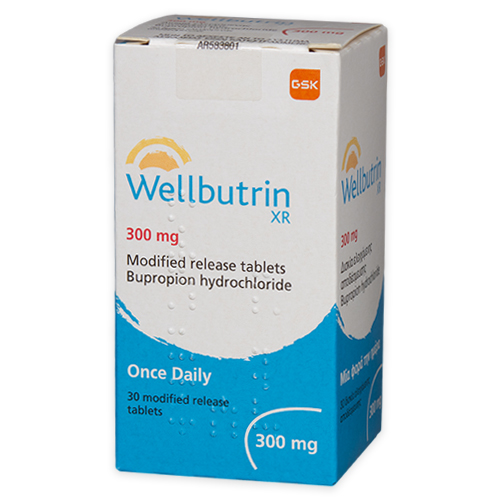
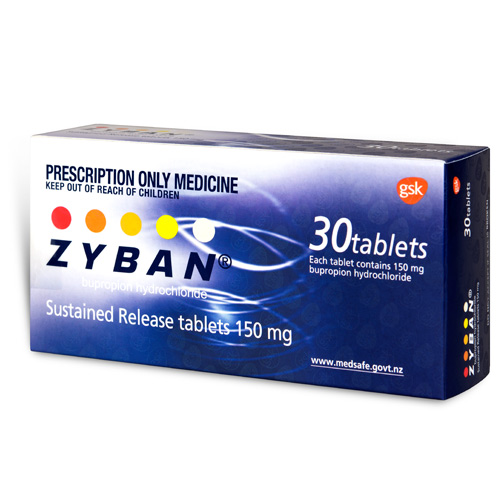
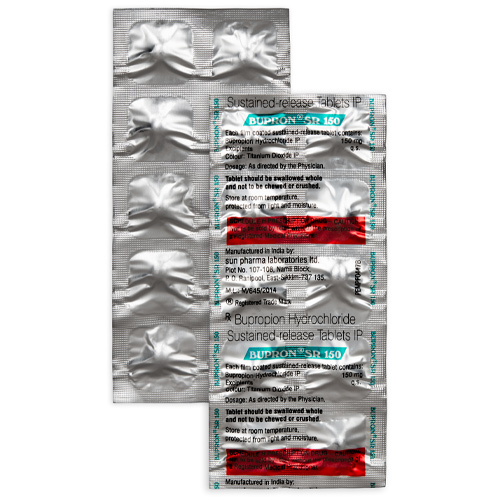
The antidepressant bupropion can be used to provide smoking cessation support while giving up smoking. Bupropion is thought to work by blocking the re-uptake of dopamine, as well as other neurotransmitters like noradrenaline, which increases the levels of dopamine in the brain and prolongs the time dopamine remains active. It is also thought to increase the number of receptors for dopamine. The overall effect of bupropion is to increase the effectiveness of neurotransmitters like dopamine, while at the same time blocking the action of nicotine on nicotinic acetylcholine receptor function in the brain, resulting in a reduction in the rewarding effects of nicotine, which is what contributes to nicotine addiction.
Inhouse Chemist is a long-established access business built on decades of service and customer trust. We focus on practical solutions that reduce friction between need and access, helping customers navigate complex pharmaceutical systems.