

Your shopping cart is currently empty.
Benign Prostatic Hyperplasia
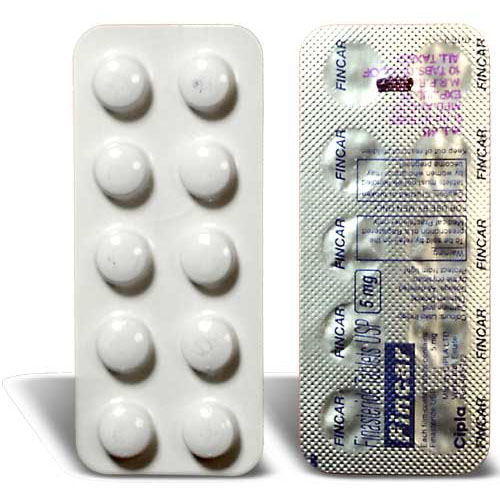

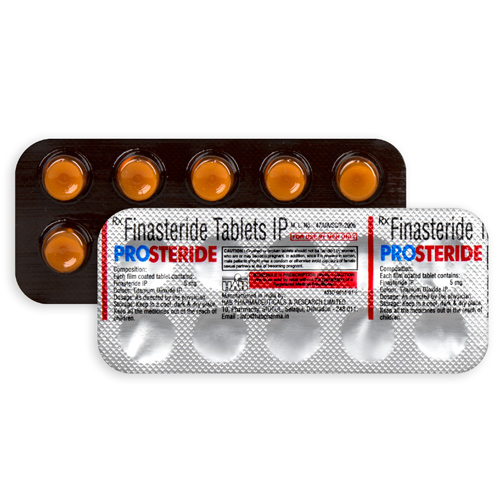
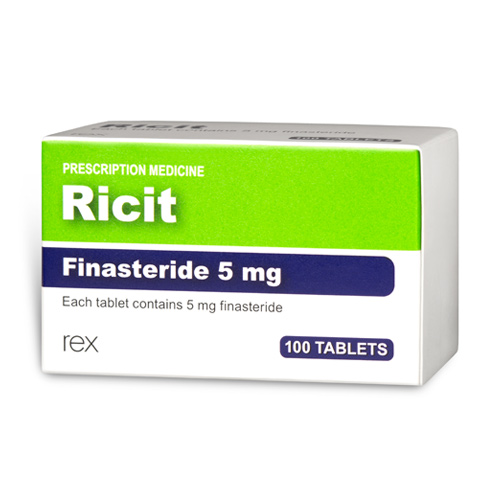
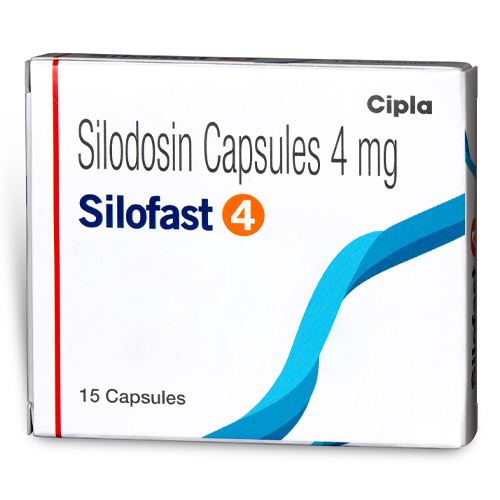
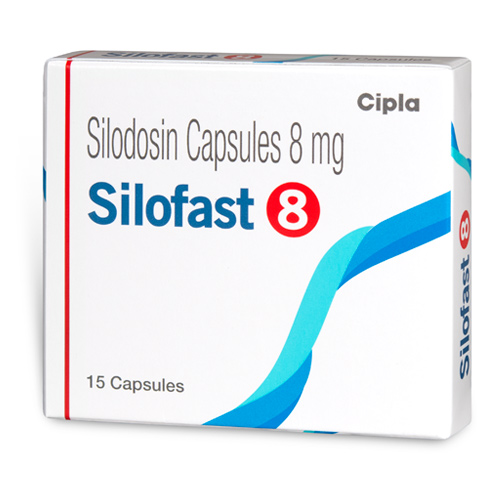

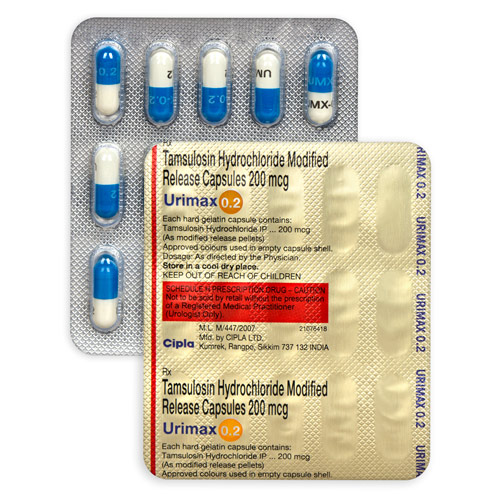
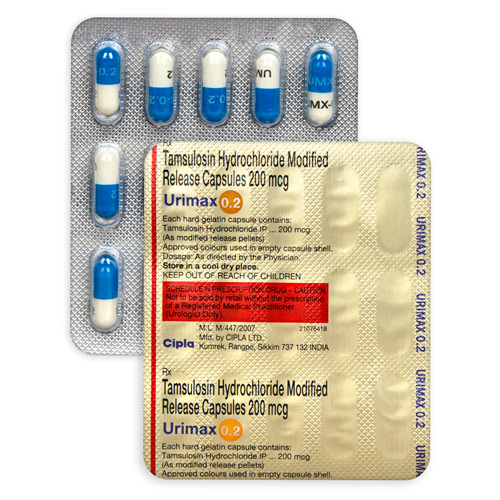
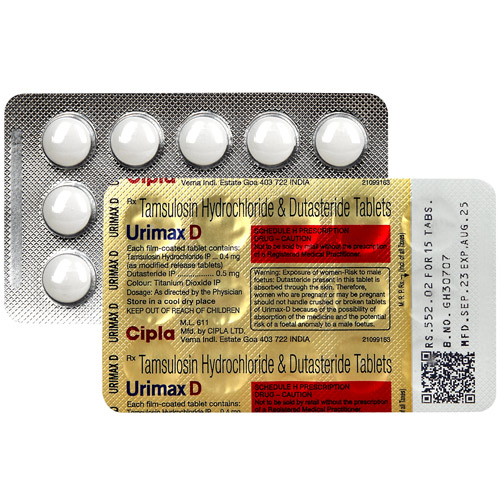
What is BHP?
Benign Prostatic Hyperplasia (BPH) is a condition where the prostate gland becomes enlarged due to overgrowth of connective tissue within the prostate gland and also cells that form the lining of the gland. These cells are responsive to testosterone and also convert testosterone into the potent metabolite dihydrotestosterone or DHT, which in turn is thought to stimulate the growth of prostate cells, causing enlargement of the gland. This causes the prostate glad to expand pushing into the urethra, which is the tube taking urine from the bladder and this causes obstruction of urine flow and can cause urinary retention in the bladder. Increased muscle tone of smooth muscle cells in the prostate gland also causes compression of the urethra. Symptoms of BPH include need for frequent or urgent urination, inability to empty the bladder, urinary hesitancy (difficulty starting to urinate) and difficulty passing urine.Medications for BPH
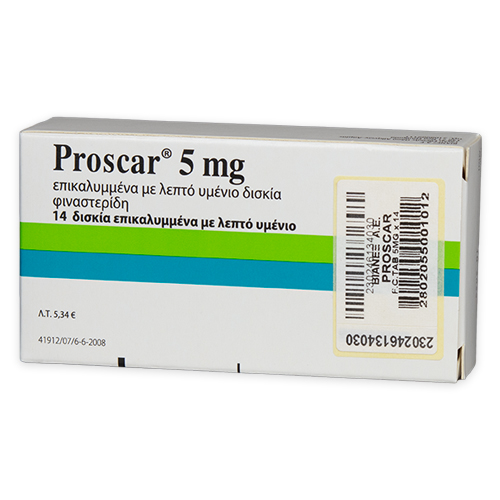
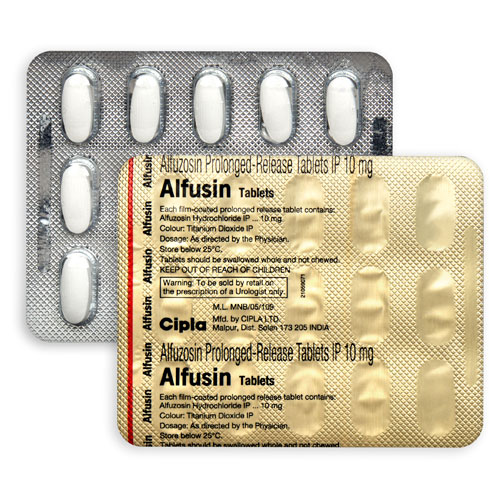
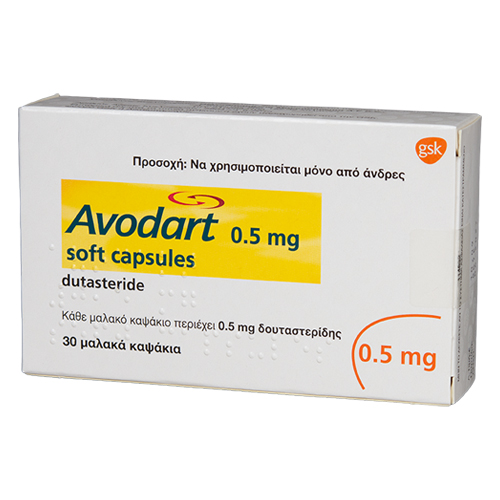
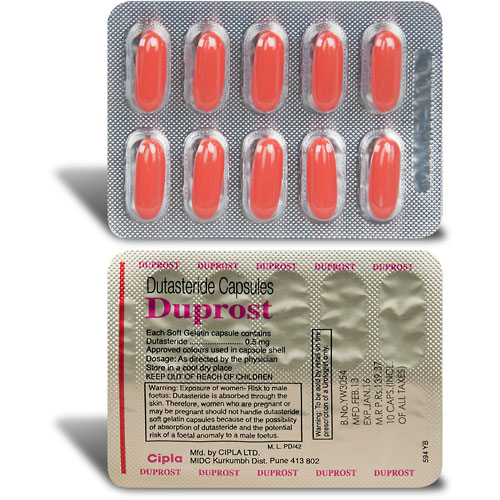
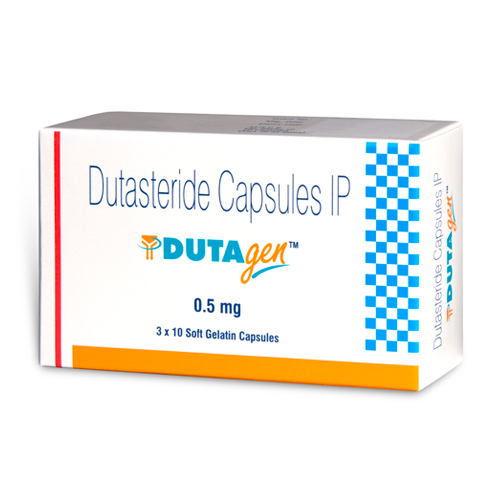
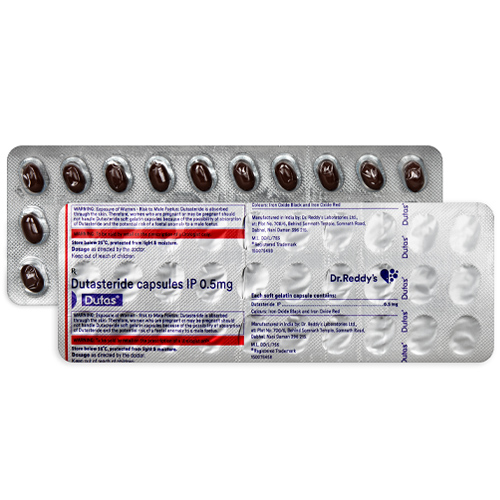
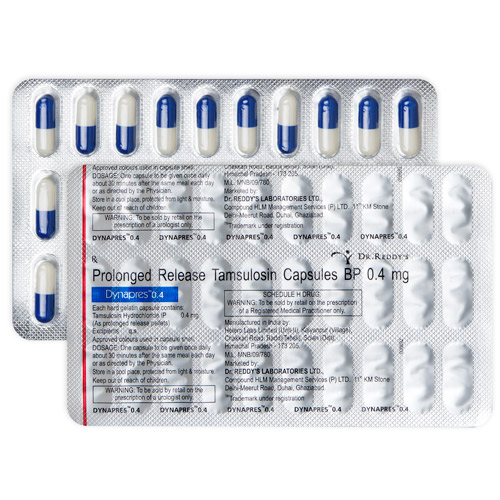
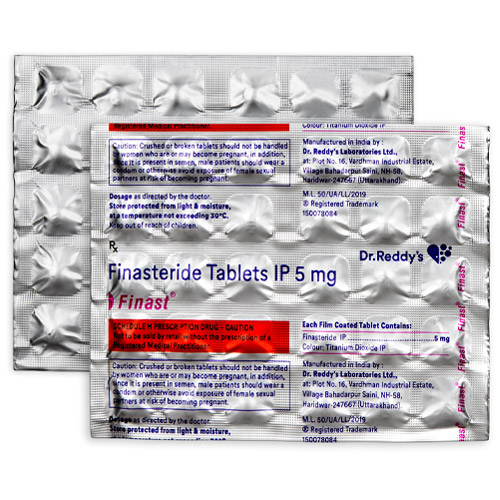
The medications available for treating BPH are used to reduce the symptoms of BPH by acting directly on cells of the prostate gland to relieve pressure on the urethra, or by blocking an enzyme involved in stimulation of prostate growth. These include:- Alpha-blockers
- Inhibitors of DHT production