

Your shopping cart is currently empty.
Infections
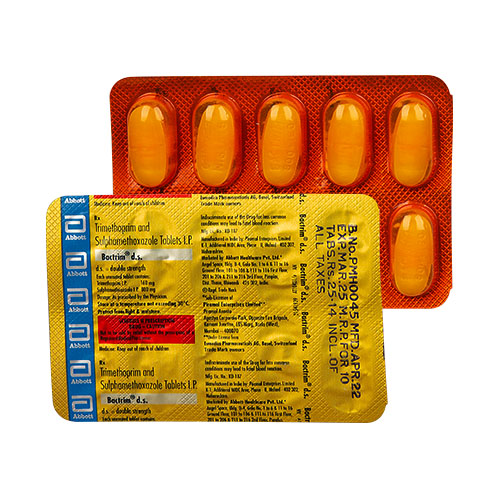
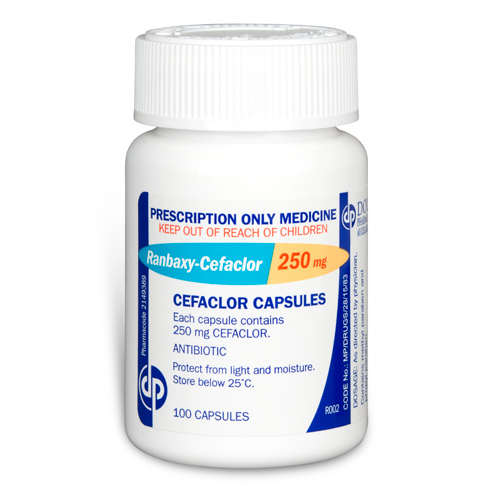
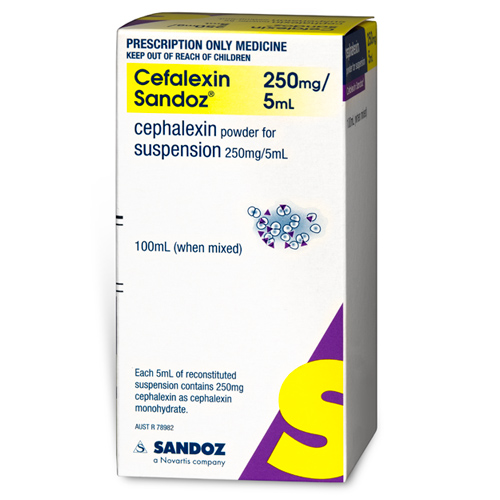
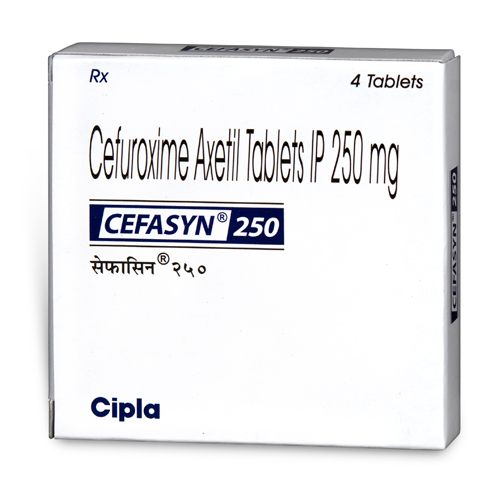
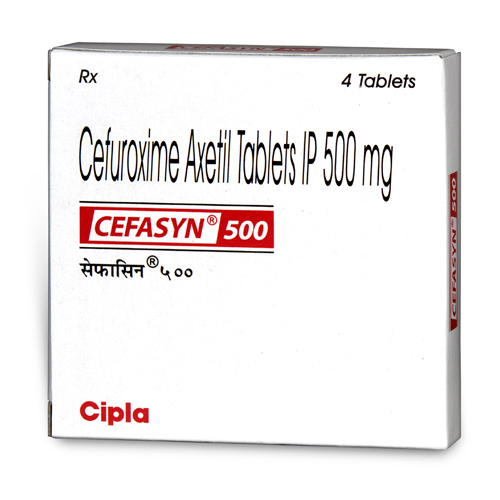

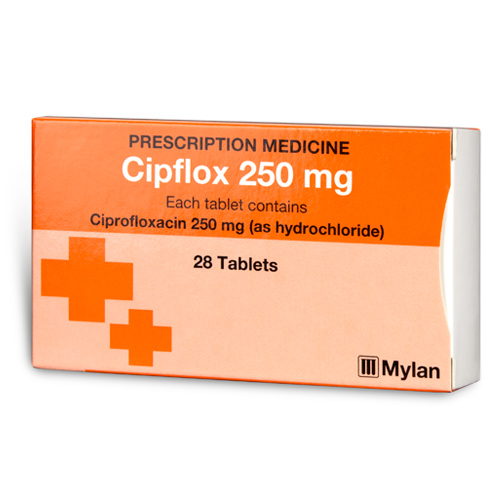
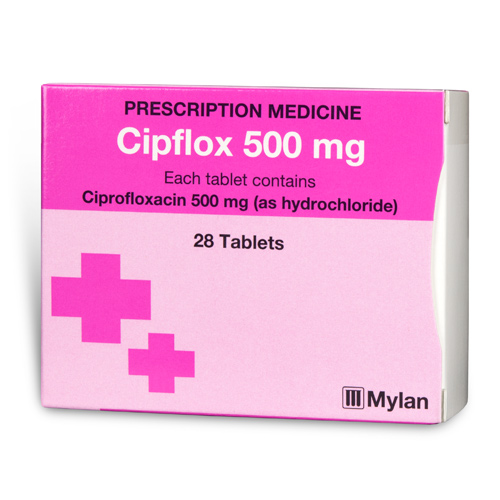
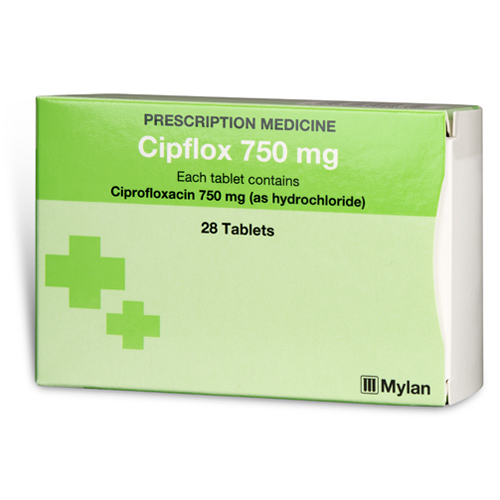
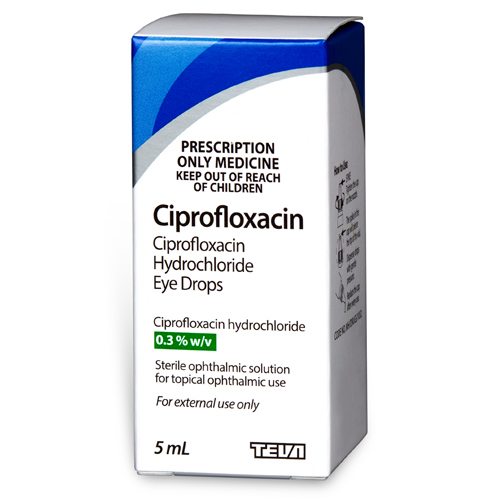
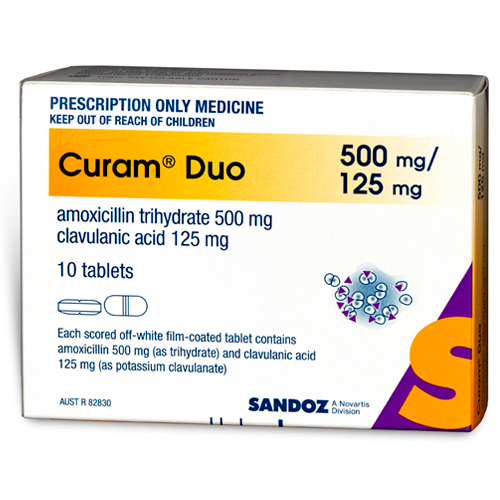
GenericCuram Duo (Amoxycillin & Potassium Clavulanate 500mg/125mg) Tablets
View Product
In stock
$29.75
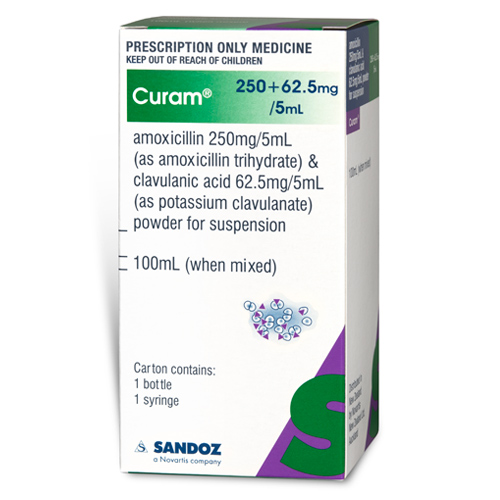
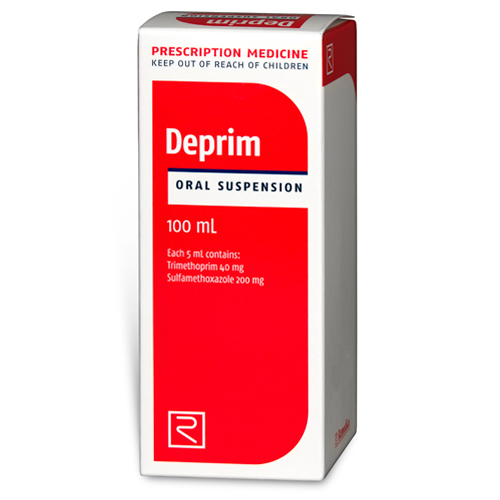
GenericDeprim (Sulfamethoxazole/Trimethoprim 240mg/5ml) Oral Suspension
View Product
In stock
$33.00

What is an infection?
An infection is when a microbe or microorganism invades the body and replicates, resulting in illness and disease with symptoms including pain, inflammation, fever and sores, depending on the type of microorganism and where the infection is located. The infective organism is known as a pathogen and can enter the body by several routes, for example, through a wound, by inhalation, in body fluids, in contaminated food, or in a vector (another organism that transmits a pathogen).
An infection can be caused by:
- Bacteria, which are single cell organisms with a cell wall but no nucleus and all equipment needed to replicate their genetic material independently of the host cell.
- Viruses, which are much smaller than bacteria, are surrounded by a protein capsule and cannot replicate independently, instead they use the host cell enzymes to replicate their genetic material, which can be either DNA or RNA.
- Fungi, which are multi-cellular organisms that replicate independently and spread by growing hyphae, as in the case of mould-like fungi called dermatophytes such as tinea, or by budding as in the case of yeasts like candida.
Bacterial infections and antibiotics
Many bacteria live in the body without causing any harm, such as in the intestines where they help with digestion, or on the skin. However, if bacteria invade the body, for example through a wound, by inhalation or in food, they can end up in a part of the body they are not meant to be and can become pathogenic by dividing and reproducing rapidly within the cells of the infected tissue. This is a bacterial infection which can cause illness with symptoms including diarrhoea, fever, pain, inflammation and sores, depending on the type of bacteria and where the infection is located.
Antibiotics are medications used to treat bacterial infections. The mechanism of action varies between different classes of antibiotic and this determines how they work to prevent the spread of a bacterial infection. Some antibiotics have a broad spectrum of action against many different bacteria, whereas some have a narrow spectrum and are used specifically for certain families of bacteria.Viral infections and antivirals
Viral infections are due to invasion of the host cell DNA by a virus, which then uses the cell’s enzyme to replicate so that new virus particles can be produced and shed ready to infect another cell, killing the host cell in the process.
The symptoms of a viral infection depend on the location in the body that becomes infected. The common cold is caused by infection of the upper respiratory tract and infection of the same tissues with influenza virus causes influenza. Human Papillomavirus (HPV) infects skin cells, causing warts and is also associated with cervical cancer. Herpes Simplex virus infects mucous membranes of the genitals (genital Herpes) and lips (cold sores). Varicella, a Herpes-like virus, causes chicken pox and also shingles (herpes zoster).
Viruses are not easy to treat, as unlike bacteria it is difficult to kill the virus without killing the body’s cells. However, there are antiviral drugs for treating viral infections, which work by several different mechanisms to prevent the growth and spread of the virus, but they do not kill the virus. An immunomodifier activates immune cells in outer layers of the skin to help fight invasion by a virus; other drugs kill infected skin cells. Some drugs target viral enzymes, for example, an enzyme that is needed to replicate newly synthesised viral DNA.Fungal infections and antifungals
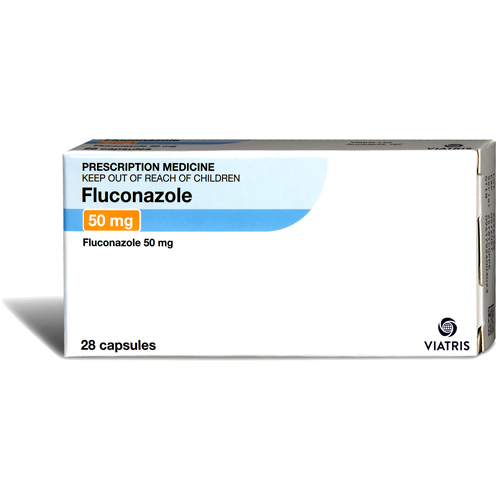
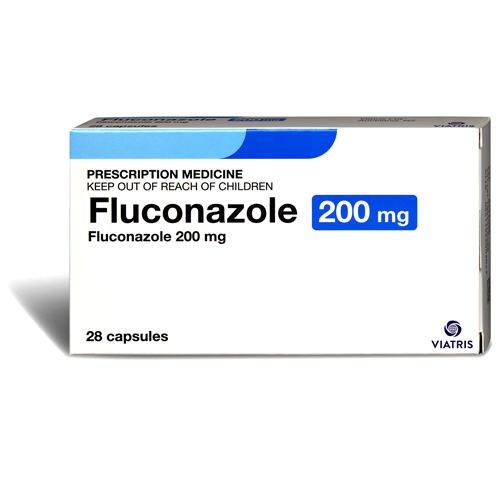
Fungal infections of the skin, scalp and nails are mostly caused by the tinea fungus which spreads through the skin and are commonly known as ringworm. Yeasts also cause fungal infection, the most common being Candida, which infects mucous membranes of the mouth and vagina causing the infection candidiasis commonly referred to as thrush. Symptoms of a fungal infection include rash, itching, scaling of the skin and inflammation.
Most anti-fungal treatments have a broad-spectrum of action and work in the same way. They target a specific fungal enzyme needed produce ergosterol, which is a major component of the fungal cell membrane, and as a result the fungal membrane becomes weakened and leaks. This kills the fungus and prevents spread of the infection.Parasitic infections and anti-parasitics
A parasitic infection is caused by a pathogenic microorganism and includes a range of organisms causing a range of diseases, some severe and life threatening. A parasite can be a protozoan or single cell organism like plasmodium that causes malaria, amoeba that causes amoebiasis or amoebic dysentery, giardia that causes giardiasis, an infection of the intestines. Parasitic helminth worms including tapeworm and roundworm cause intestinal infections that can cause severe symptoms.
Parasitic infections are often transmitted into the host by a vector. For example, the mosquito that transfers the malaria-causing plasmodium when biting, directly into the blood. Malaria is a life-threatening disease that causes symptoms including, fever, shivering, headache, vomiting, muscle pain, joint pain. Tapeworm infections are caused by ingestion of eggs in infected food or by transmission of the adult tapeworm in faeces, which become ingested due to poor hygiene. The eggs are transmitted in the faeces of dogs or other mammals such as sheep, depending on the type of tapeworm. Tapeworm causes a range of symptoms and diseases, depending on the location of the parasite in the body and the stage of its development, including abdominal pain, jaundice, coughing, chest pain, and seizures.
Antiparasitics like metronidazole used to treat protozoal infections like amoebiasis (dysentery) and giardiasis target the single cell and prevent its replication. The antimalarial, quinine, targets and kills the infective larval stage of the parasite. Anthelmintics (dewormer) like albendazole targets all stages of the parasitie and disrupts its metabolism and its integrity, which kills the organism.