

Your shopping cart is currently empty.
Osteoporosis
What is osteoporosis?
Osteoporosis is the thinning of the bones which results in increased risk of fracture particularly in the hip, spine, wrist and upper arm. Multiple fractures of the vertebrae can cause stooped posture and loss of height which is very common in the elderly. Fractures cause chronic and acute pain and can cause disability and loss of mobility. Bone loss is gradual and is usually symptom free until it is advanced.Osteoporosis affects both men and women and is a common problem associated with aging. It is also associated with lack of oestrogen in postmenopausal women; or following treatment with corticosteroids, an anti-inflammatory steroid that can cause bone loss. Risk factors for osteoporosis include, family history, smoking, excessive alcohol intake, thin build, lack of physical activity, lack of dietary calcium and low levels of Vitamin D.
Bone turnover and osteoporosis
Bone turnover is the normal mechanism for bone remodelling, which is a dynamic process that allows bones to grow and repair. Bone resorption and formation takes place constantly on the surface of bones. Resorption is carried out by osteoclast cells and is the process by which bone is broken down and minerals like calcium and phosphate released into the blood. Bone formation is carried out by osteoblast cells and is the process by which new bone is formed, with a build-up of bone matrix containing proteins, calcium, phosphate and other minerals, which form the scaffolding that gives bone its strength.When the process of bone turnover is out of balance and bone loss is greater than bone formation this results is a loss of bone mass making bones brittle and likely to fracture more easily. Bone density is the amount of bone tissue in a certain volume of bone and when this falls below a certain level, this is defined as osteoporosis.
Treatments for osteoporosis
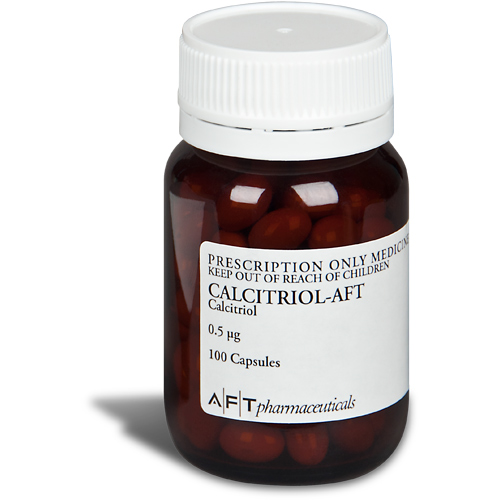
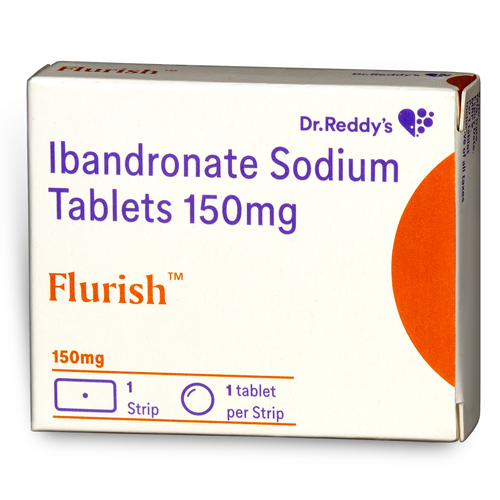
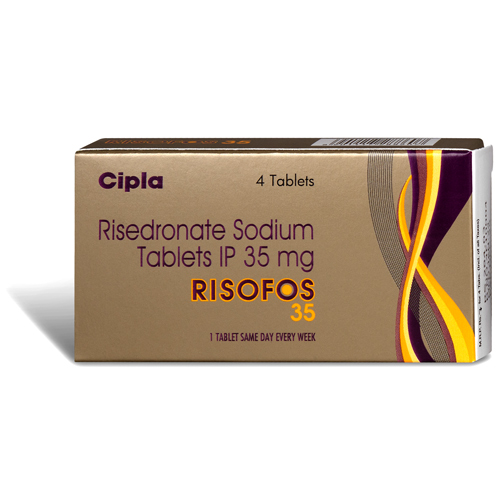
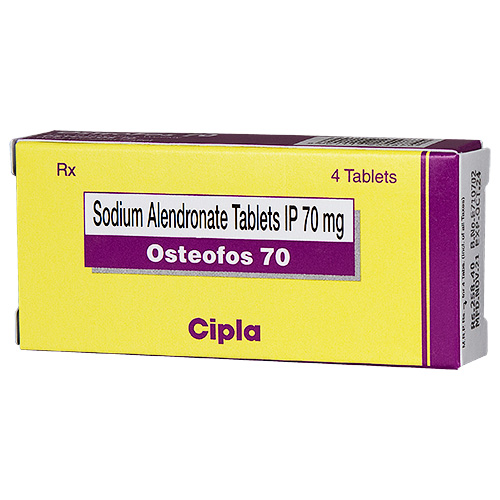
Treatments for osteoporosis are based on increasing bone mineral density and reducing bone turnover, thereby restoring the balance between bone resorption and formation, to prevent loss of bone density in people with or at risk of osteoporosis.Bisphosphonates like alendronate and risedronate are an effective treatment for osteoporosis. They are synthetic chemicals similar to the naturally occurring pyrophosphates that are formed form as a product of normal phosphate metabolism. Like pyrophosphates, biphosphonates binds strongly to hydroxyapatite, the mineralised bone scaffolding, at the site of bone resorption. This inhibits the action of osteoclasts in resorbing bone reducing the amount of bone remodelling and loss of calcium from bone. Biphosponates can also be used in combination with cholecalciferol or Vitamin D3, which is converted to its active form, calcitriol, a hormone that regulates calcium metabolism. Calcitriol regulates calcium absorption in the intestine and excretion in the kidneys. If there is a lack of Vitamin D3 then calcium levels may become low and this contributes to brittle bones and to osteoporosis. Calcitriol also regulates bone remodelling. Combining cholecalciferol with bisphosphonates adds another dimension to combatting osteoporosis.
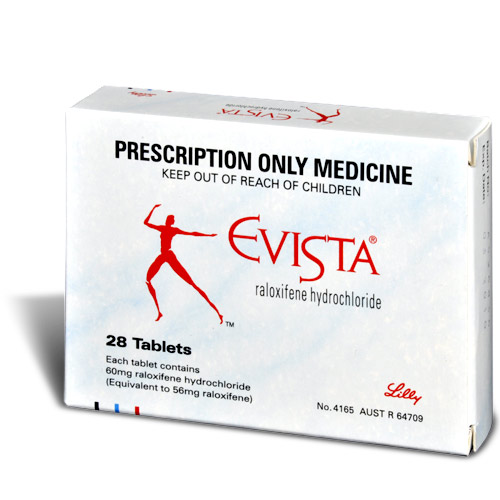
Another treatment for osteoporosis is raloxifene, a selective oestrogen receptor modulator. Loss of oestrogen at menopause is associated with increased bone remodelling. Raloxifene mimics the actions of oestrogen and binds to the oestrogen receptor in bone, where it inhibits the actions of osteoclasts.