

Your shopping cart is currently empty.
Antihistamines


Oral antihistamines
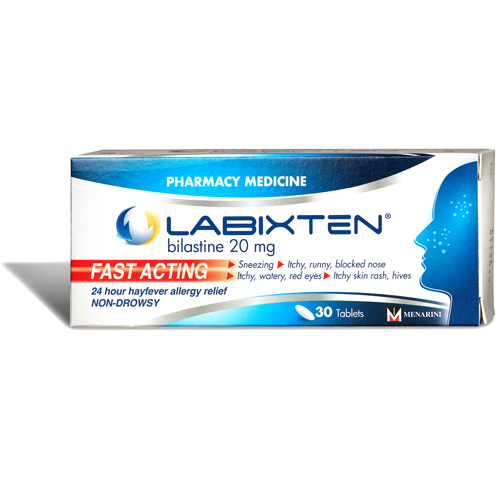
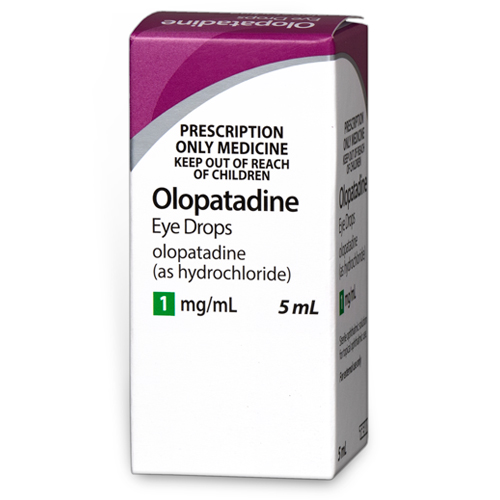
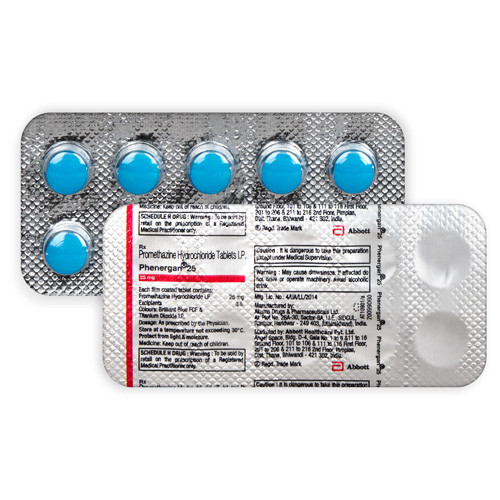
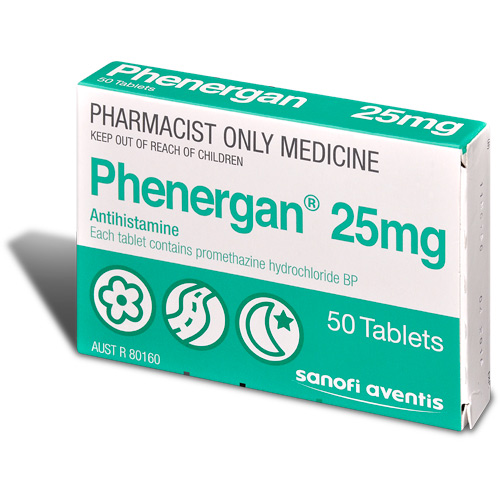
Symptoms of allergy are caused primarily by the action of histamine, a chemical released from mast cells, which are specialised cells found in most tissues and are involved in inflammatory and allergic reactions. Antihistamines bind to histamine receptors in small blood vessels, as well as in the nasal passages, eyes, skin or any other tissue involved in an allergic reaction, blocking the action of histamine. This relieves symptoms like nasal congestion runny itchy nose, sneezing, tearing, itchy, red, and puffy eyes. Also red itchy lumps on the skin (hives) and other symptoms of allergy.Most antihistamines are non-sedating because they only act locally; they include fexofenadine, loratadine and cetirizine. Promethazine is a sedating antihistamine because as well as blocking histamine receptors in the tissues, it also passes into the central nervous system and binds to other histamine receptors in the brain, which are involved in stress and anxiety reactions, blocking these responses.