

Your shopping cart is currently empty.
De-Wormer

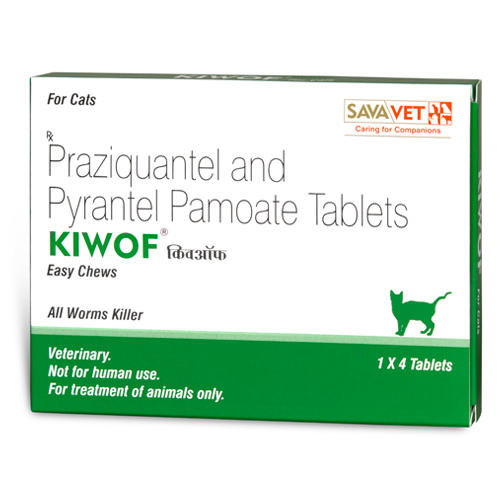
GenericCat Deworming Tablets Praziquantel 18.20mg + Pyrantel Pamoate 72.60mg – 100 Tablets
OUT OF STOCK
Out of stock
$60.00






GenericIvermectin 136mcg + Pyrantel Pamoate 114mg Tablets 100 Tablets - 1 Pack
View Product
In stock
$60.00

GenericIvermectin 227mcg + Pyrantel Pamoate 227mg Tablets – 100 Tablets
View Product
In stock
$95.00

GenericIvermectin 2mg + Praziquantel 50mg Deworming Tablets – 100 Tablets
OUT OF STOCK
Out of stock
$55.00

GenericIvermectin 34mcg + Pyrantel Pamoate 28.5mg Heartworm Tablets for Dogs – 100 Tablets
View Product
In stock
$65.00

GenericIvermectin 68mcg + Pyrantel Pamoate 57mg Heartworm Tablets for Dogs – 100 Tablets
View Product
In stock
$75.00

GenericPrazimox L Milbemycin Oxime 12.5mg + Praziquantel 125mg – 3 Tablets
View Product
In stock
$25.00

GenericPrazimox S Milbemycin Oxime 2.5mg + Praziquantel 25mg – 3 Tablets
View Product
In stock
$20.00


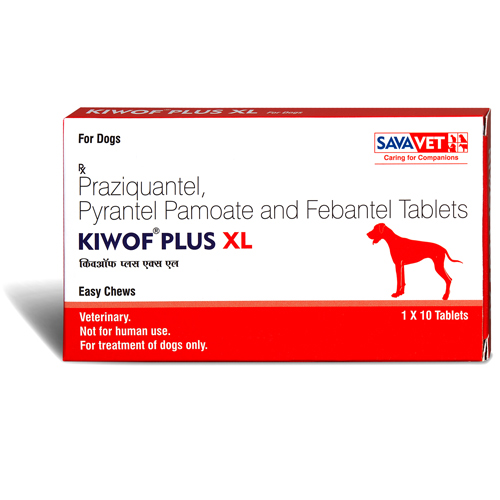
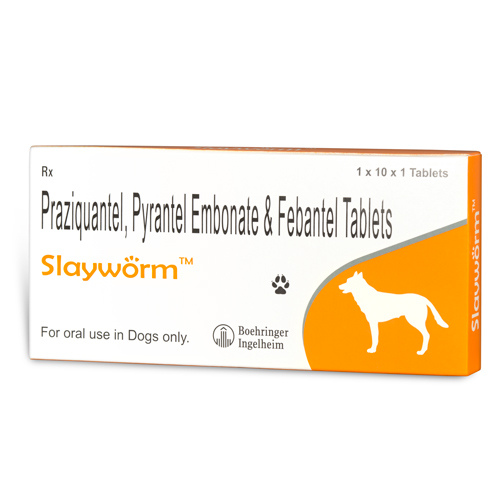
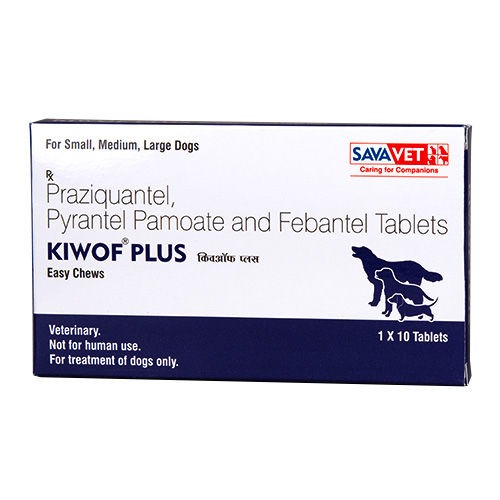
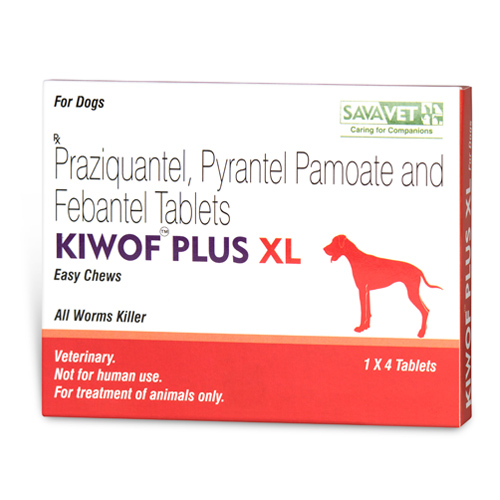
GenericPraziquantel + Pyrantel + Fenbendazole Tablets 50mg/144mg/500mg – 100 Tablets
View Product
In stock
$75.00

Parasitic worms in pets
Parastitic worms are endoparasites as they live inside their host. They are common to both cats and dogs and can cause serious illness. There are many different species and most of them affect the gastrointestinal system and have complex life cycles. The most common parasitic worms that infect cats and dogs include the following:- Heartworm is a parasitic worm transmitted by mosquitoes. It has two larval stages in the mosquito and another two in its next host, which can be cats or dogs. Following a mosquito bite, the heartworm larvae transform into the next larval stage and migrate through the tissues to the heart and lungs, where they mature into adults, grow rapidly, reach sexual maturity and mate. The females produce microfilariae, which enter the blood stream ready to be transmitted back to the mosquito host to continue the life cycle. Heartworm causes tissue damage and can cause serious health problems that can result in heart failure and eventually death. Symptoms in dogs include coughing up blood, breathlessness, fainting and congestive heart failure. Symptoms in cats include vomiting, diarrhoea, weight loss, lethargy and difficulty breathing.
- Roundworms belong to the group of ascarids and are very common in cats and dogs, causing health problems including damage to the intestine and digestion problems as they absorb nutrients from the blood of the host. Adult dogs are infected by ingesting eggs from soil, infected food or water and puppies can be infected while still in the womb or when lactating through infected milk. Once swallowed the roundworm eggs hatch and the larvae migrate through the intestine wall into the lungs and internal organs, where they can lie dormant; they can also migrate through the uterus to infect the foetus. They are eventually coughed up from the lungs and swallowed where they mature in the intestines. Mature worms grow to great lengths and produce eggs, which are passed out of the host in the faeces ready to begin the life-cycle again. Symptoms include an extended abdomen, worms in faeces, coughing, lethargy, intestinal obstruction and colic.
- Hookworm infestation is more common in dogs than cats and is transmitted by larvae in infected soil, food or water entering by ingestion or by burrowing through the skin. Like roundworm puppies can be infected while still in the womb by larvae that migrate through the uterus to infect the foetus or when lactating through infected milk. When the larvae reach the intestines they mature into adults and attach to the wall of the intestine where they feed from blood. The mature hookworms produce eggs, which are shed in the faeces and hatch in the soil. Symptoms include poor appetite, blood in the stools and anaemia, which if it becomes severe can be fatal.
- Whipworm is a common parasitic infestation in dogs and less so in cats. Dogs and cats become infected by ingesting food or water contaminated with eggs. The eggs hatch in the large intestine and the larvae mature into adults in the large intestine or bowel. The adults attach with specialised mouthparts and burrow through the intestine wall, where they feed on the host blood. The adults lay eggs in the intestine, which are passed out with the faeces and remain in the soil until they are ingested again. Symptoms of whipworm infection include inflammation and bleeding of the intestine and anaemia.
- Tapeworms are cestodes that live in the small intestines and can grow to great lengths. The lifecycle consists of the eggs, which are produced by each multiple segments of the adult worm in large numbers. These pass out of the main host in the faces and are ingested by the intermediate host, such as cattle, pigs and sheep, where the eggs hatch and the larva or hyatid tapeworm migrates to various organs and remains dormant as a hyatid cyst. The main host (dog or cat) becomes infected by eating infected meat. Once in the main host intestine, the tapeworm matures and attaches to the intestine wall, using specialised suckers and hooks on the head that allows it to attach and feed on the nutrients of its host. There are several species that can infect dogs, including the Taenia species, but tapeworms do not usually cause any major health problems.
Anthelmintic de-worming drugs
Several anthelmintic drugs are available that are effective for use as de-worming medications for dogs and cats and are generally used as a combination of two or more of the following:- Ivermectin is effective against most common intestinal worms except tapeworm in dogs. It acts on the nervous system of the larval stage of the parasitic worm and causes paralysis and death before it reaches major organs.
- Pyrantel and oxantel are effective against most common nematodes in dogs, acting as neuromuscular blocking agents that paralyse the roundworm and hookworm while they are feeding in the dogs’s intestine, so that they lose their grip and pass out in the stools.
- Praziquantel is effective against intestinal tapeworms (cestodes) in dogs and works by interfering with the tapeworm’s ability to protect itself against its host, causing the tapeworm to lose resistance to digestion by the host digestive enzymes.
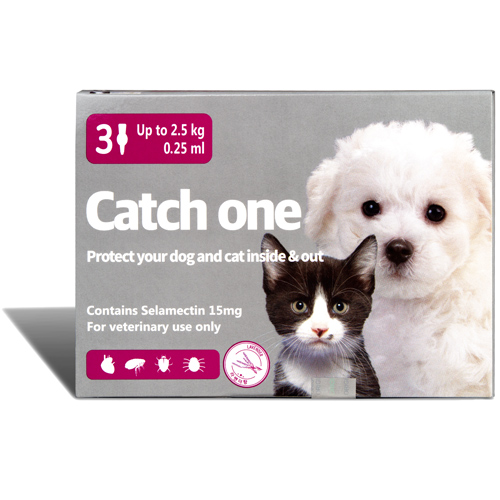
- Selamectin effective against heartworm, hookworm and roundworm in cats and dogs and acts as a as neuromuscular blocking agents that paralyses the roundworm and hookworm while they are feeding in the intestine, so that they lose their grip and pass out in the stools.